
When you realise your skin barrier is in trouble, the first instinct is often to throw more products at the problem. But the real solution is simpler and far more gentle. Repairing a damaged barrier starts with stripping your routine back to the absolute essentials: a mild cleanser, a deeply soothing moisturiser, and a protective sunscreen.
The most critical first step? Stop using all harsh actives immediately. That means putting your exfoliants, retinoids, and strong serums on hold. For now, your focus shifts entirely to calming inflammation and rebuilding your skin’s defences with nurturing ingredients like ceramides and niacinamide.
Your First Step Towards Barrier Recovery

If your skin feels constantly tight, looks red, or is just generally unhappy, it’s probably sending out an SOS. This is your skin barrier—a complex shield of lipids, cells, and natural moisturisers—telling you it's overwhelmed. Think of it as your skin’s personal bodyguard. When it’s working properly, it’s a master at locking in hydration and keeping pollution, bacteria, and other environmental aggressors out.
But when this protective layer gets damaged, it can’t do its job. Suddenly, moisture escapes easily, leading to that tight, dehydrated feeling. At the same time, irritants can get in, triggering sensitivity, inflammation, and a whole cascade of issues that can feel impossible to get under control.
Recognising the Signs
The first real step to recovery is knowing what you’re looking at. You don’t have to guess; your skin gives you very clear feedback. A healthy barrier feels supple, soft, and calm. A damaged one, on the other hand, often feels persistently uncomfortable and reactive. You might even find that your most trusted products suddenly sting or burn on application.
For those of us with already sensitive complexions, learning how to choose the best skincare for sensitive skin in Australia is a vital part of not just repair, but long-term maintenance.
It's a common mistake to think you need to "attack" redness or dryness with more potent products. The truth is, a compromised barrier needs less interference, not more. The most powerful thing you can do is pare back your routine to almost nothing.
To help you get a clear picture of where your skin is at, here's a quick side-by-side comparison. This simple self-check will give you the clarity you need to start a targeted and truly effective repair plan.
Healthy vs Damaged Skin Barrier At a Glance
| Characteristic | Healthy Skin Barrier | Damaged Skin Barrier |
|---|---|---|
| Feel | Plump, soft, and hydrated | Tight, dry, or rough |
| Appearance | Calm, even-toned, and radiant | Red, blotchy, or flaky |
| Sensation | Comfortable and resilient | Itchy, stinging, or burning |
| Reaction to Products | Products absorb well without irritation | Products cause stinging or sensitivity |
| Overall Condition | Balanced and less prone to breakouts | Increased breakouts, eczema, or rosacea |
Seeing your symptoms in black and white can be the lightbulb moment that finally points you in the right direction. With this understanding, you can stop fighting your skin and start giving it exactly what it needs to heal.
Decoding the Causes of a Damaged Barrier in Australia
If you want to truly repair a damaged skin barrier, you have to play detective first. Figuring out what’s actually breaking it down is the most important step; it makes the whole repair process faster and far more effective. More often than not, the culprits are hiding in plain sight, right in our daily routines and our environment.
While a compromised barrier can stem from many things, the triggers usually fall into two main camps: things we do to our skin, and things our environment does to it. It’s a two-front battle, really. On one side, you have the damage we inflict ourselves, and on the other, you have the constant environmental assaults.
Overdoing It with Skincare
A love for skincare is a wonderful thing, but sometimes our enthusiasm can get the better of us. Going too hard, too fast is one of the most common ways we weaken our own barrier, turning what should be helpful products into sources of irritation.
- Over-exfoliating: That chase for super smooth, glowing skin can easily lead to overusing potent acids like AHAs (think glycolic and lactic) and BHAs (salicylic acid). When you use them too often or at high strengths, you're essentially stripping away the vital lipids that act as the 'glue' for your skin cells, leaving your barrier thin and fragile.
- Harsh Cleansers: If your skin feels “squeaky clean” after washing, that’s a major red flag. Cleansers packed with harsh sulfates or those that create a huge, foamy lather are notorious for stripping your skin of its natural, protective oils (sebum). This disrupts the delicate acid mantle and is why your skin might feel tight and dry post-cleanse.
- Too Many Actives: It's tempting to throw everything at your skin at once—retinoids, vitamin C, exfoliating acids—but this can quickly overwhelm its natural ability to repair itself. This creates a state of chronic, low-grade inflammation that directly compromises your barrier’s strength.
A classic real-world example is someone who starts a new retinol serum and a glycolic acid toner in the same week. Both are fantastic ingredients on their own, but their combined intensity can rapidly dismantle the skin's protective layer, leading to the tell-tale signs of redness, flaking, and sensitivity.
The Harsh Australian Environment
While we can control what's in our bathroom cabinet, we can't control the weather. The Australian environment presents a unique and relentless challenge to our skin, and its intensity is a primary driver of barrier damage for so many of us.
The trifecta of dry air, harsh winds, and dramatic temperature swings can literally suck the moisture out of your skin, leaving it dehydrated and stressed. This is especially true in winter when we’re constantly moving between the cold, biting air outside and the dry, artificial heat indoors. Learning to adapt your skincare for Australian winter is one of the best preventative measures you can take.
But the single biggest environmental aggressor, without a doubt, is our intense sun. UV radiation is systematic in the way it breaks down our skin's structure. It degrades precious collagen, generates inflammatory free radicals, and, crucially, dismantles the lipid matrix that forms the very foundation of your skin barrier.
The impact is staggering. Sun exposure is the leading cause of damaged skin barriers in Australia, contributing to up to 80% of visible facial ageing.
This isn't just about getting sunburnt on a beach day. It’s the slow, cumulative damage from daily, incidental exposure—the walk to the car, sitting by a window at work, or grabbing a coffee outside on a cloudy day. This constant UV assault is precisely why sun protection is completely non-negotiable for barrier health.
Shockingly, a nationwide survey revealed that six out of 10 Australians are unaware of this critical link between sun exposure and skin ageing. The same Australian Photoageing Re.Port found that fewer than one in five people consistently wear protective clothing, and only a mere 13% always apply sunscreen to their faces when outdoors.
By understanding these primary causes—both the ones in your routine and the ones right outside your door—you’re already in a much stronger position. You can now move beyond just masking the symptoms and start targeting the specific triggers that are weakening your skin, paving the way for true, lasting repair.
The Immediate Action Plan: What to Stop and Start Now

When your skin is screaming for help, the first 48 hours are all about damage control. Think of it as your skin’s emergency response—a swift, decisive strategy to halt the irritation cycle and kickstart the healing process. The goal isn’t to add more; it’s to strategically take away.
This is the ‘less is more’ philosophy in its purest form. By removing potential aggressors, you create a calm, stable environment where your skin can finally breathe and begin its natural repair work. This immediate intervention is often the most powerful move you can make.
What You Must Stop Immediately
The first rule of getting out of a hole is to stop digging. Right now, your skin barrier is completely overwhelmed, so your immediate priority is to press pause on anything that could be making things worse. It’s time to strip your routine back to its bare, supportive essentials.
For the next one to two weeks, you need to completely remove all potent and potentially irritating products from your lineup. This step is non-negotiable.
Park These Products for Now:
- All Exfoliants: This includes both physical scrubs with grainy textures and chemical exfoliants like AHAs (glycolic, lactic acid) and BHAs (salicylic acid). They just further compromise an already fragile surface.
- Retinoids: Every form of vitamin A, from prescription tretinoin to over-the-counter retinol and retinal, must be paused. Their cell-turnover magic is simply too intense for a compromised barrier.
- High-Strength Vitamin C Serums: Potent ascorbic acid serums, especially those with a low pH, can be far too stimulating and may cause stinging on reactive skin.
- Fragrance and Essential Oils: Both synthetic fragrances and natural essential oils are common sensitisers that can fuel inflammation.
- Drying Alcohols: Check your labels for alcohol denat., SD alcohol, or isopropyl alcohol. You’ll often find them in toners and acne treatments, and they strip the skin’s essential lipids.
A common mistake is thinking one specific active is the problem, when it's often the combination of several that pushes the skin over the edge. Removing them all gives your skin a true reset.
Even if you love these ingredients, they can’t do their best work on damaged skin. In fact, they will only worsen the situation. For a deeper dive into how these actives interact, you can learn more about using retinol and vitamin C together once your barrier is healthy again.
What to Start Doing Right Now
With the irritants gone, your new routine should feel like a comforting blanket for your skin. This isn't about fancy, multi-step regimens; it’s about gentle, consistent support. For the next few weeks, your entire routine should revolve around three core functions: cleansing gently, moisturising thoroughly, and protecting diligently.
This minimalist approach starves the inflammation and gives your skin the fundamental building blocks it needs to start reconstructing its protective wall.
Your New Three-Step Foundation:
- A Gentle Cleanser: Switch to a cream, milk, or balm cleanser that doesn't foam. Use only lukewarm water—hot water strips natural oils—and pat your skin dry with a soft towel. No rubbing.
- A Barrier-Repair Moisturiser: Find a nourishing cream packed with ceramides, fatty acids, and soothing agents like niacinamide. Apply it to damp skin morning and night to lock in that precious hydration.
- A Broad-Spectrum Sunscreen: This is your non-negotiable shield. UV radiation is a primary cause of barrier damage, and without a daily SPF 30+, all your repair efforts will be for nothing.
Building Your Barrier Repair Routine
Once you’ve hit pause on all the potential irritants, your skin is finally ready to start rebuilding. This is where we get strategic, introducing ingredients that don’t just soothe the irritation but actively reconstruct your skin's protective lipid layer. Think of it as giving your skin all the raw materials it needs to mend its own fences.
The focus now shifts from immediate damage control to long-term resilience. This means finding products packed with ingredients that mirror your skin's natural structure—the very fats and hydrators that were stripped away in the first place. This is how you truly begin to repair a damaged skin barrier from the inside out.
The Core Building Blocks of a Healthy Barrier
I often explain the skin barrier to my clients using a simple brick-and-mortar analogy. The skin cells (corneocytes) are the 'bricks', and a complex mix of lipids—fats like ceramides, cholesterol, and fatty acids—is the 'mortar' holding it all together. When that mortar starts to crumble, the wall becomes weak, porous, and leaky. Your repair routine needs to focus entirely on replenishing this mortar.
At the same time, you need ingredients that deliver deep hydration and calm any lingering inflammation. It’s this two-pronged approach of rebuilding and soothing that sets you up for lasting success.
Essential Ingredients for Skin Barrier Repair
When your skin barrier is compromised, the last thing you want to do is overwhelm it with a dozen different products. Instead, focus on a handful of key ingredients that are scientifically proven to restore barrier function. These are the non-negotiables that will get your skin back on track.
| Ingredient Category | Key Examples | Function in Barrier Repair |
|---|---|---|
| Lipids (The Mortar) | Ceramides, Cholesterol, Fatty Acids | Directly replenish the skin's natural fats, sealing cracks to prevent moisture loss and keep irritants out. |
| Humectants (The Hydrators) | Hyaluronic Acid, Glycerin, Panthenol (Pro-Vitamin B5) | Act like magnets, drawing water into the skin to plump up dehydrated cells and restore suppleness. |
| Soothing Agents (The Peacekeepers) | Niacinamide (Vitamin B3), Centella Asiatica, Allantoin | Calm redness and inflammation, reduce sensitivity, and support the skin’s natural healing processes. |
The key is to remember that your goal isn't just to slather on the thickest cream you can find. It's about using a thoughtfully formulated product that delivers these specific building blocks, allowing your skin to integrate them properly for a stronger, more resilient barrier.
This is especially true here in Australia, where our environment constantly puts our skin to the test. The Australian skin treatment market is projected to hit USD 498.25 million by 2034, with acne treatments holding a massive 32% market share. This really highlights how common barrier dysfunction is, often because harsh acne products are a primary culprit. Add in high UV exposure and urban pollution, and you have a perfect storm for compromised skin. You can learn more about these market trends and their impact on skin health.
The Role of Oxygen in Advanced Repair
For anyone looking to give their skin's healing process a serious boost, incorporating advanced technology can make a world of difference. While traditional repair products work on the surface, enhancing the skin’s own regenerative powers from within can deliver much more profound and lasting results.
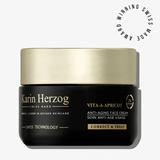
This is where Karin Herzog's patented stabilised oxygen technology really shines. When a cream like Vita-A-Kombi is applied, it delivers active oxygen and vital nutrients deep into the skin. This oxygen infusion essentially gives your skin cells the fuel they need to repair themselves more efficiently.
It also creates a micro-massage effect, pushing nourishing ingredients deeper while boosting local microcirculation. For skin that's really struggling to heal, this provides a critical advantage, helping to fast-track the natural reconstruction of the barrier.
Your Sample Barrier Repair Routine
Structuring your routine should be simple and predictable. The focus is on gentle, nourishing layers, both morning and night. No complicated steps needed.
-
Gentle Cleanse: Always start with a creamy, non-foaming cleanser and use only lukewarm water. Hot water is a major barrier-stripper.
-
Hydrating Layer (Optional): On damp skin, pat in a simple hyaluronic acid or panthenol serum. This adds a nice layer of water-based hydration before you seal it in.
-
Restore and Moisturise: This is your hero step. Apply a barrier-repair moisturiser rich in ceramides, fatty acids, and niacinamide. If you’re using a Karin Herzog cream like Vita-A-Kombi, this becomes your all-in-one treatment and moisturising step.
-
Protect (AM Only): Never, ever skip this. Finish with a generous layer of broad-spectrum SPF 30+ sunscreen. It’s absolutely critical for protecting your delicate, healing skin from UV damage.
Beyond your skincare shelf, creating a supportive environment is key. For example, sleeping on rough fabrics can cause friction and irritation overnight, subtly undermining all your hard work. Switching to appropriate bedding for sensitive skin made from soft, breathable materials can make a surprisingly big difference in keeping your complexion calm.
I know the idea of using richer creams can be scary for those with acne-prone skin. But remember, a damaged barrier often panics and overproduces oil to compensate for dehydration. By restoring balance with a non-comedogenic product like Vita-A-Kombi, which uses oxygen to help neutralise bacteria, you can effectively repair your barrier without worrying about triggering new breakouts.
Protecting Your Progress with Sunscreen
After all the hard work you've put into soothing, hydrating, and rebuilding your skin, it's tempting to think the job is done. But here's the reality: repairing your skin barrier is only half the battle. Protecting that hard-won progress is arguably the most critical step for long-term skin health, and your number one tool for this is daily, non-negotiable sun protection.
Without this crucial shield, all your efforts can be undone with shocking speed, especially in Australia's high-UV environment. Think of UV radiation as a constant, invisible threat that systematically dismantles the very lipid structures you’ve just rebuilt. Sunscreen is your insurance policy.
Choosing the Right Sunscreen for Healing Skin
When your skin is in a healing phase, it’s far more sensitive and reactive. The last thing you want is a sunscreen that causes stinging or irritation, because that just discourages you from using it. This is why choosing the right formula is key. You'll mainly be deciding between mineral and chemical sunscreens.
For a compromised barrier, mineral sunscreens are almost always the better option.
- Mineral Sunscreens (Physical): These use zinc oxide and titanium dioxide. They work by sitting on top of the skin and physically reflecting or scattering UV rays away, like a mirror. They are generally much better tolerated by sensitive skin and are far less likely to cause irritation or allergic reactions.
- Chemical Sunscreens (Organic): These use ingredients like avobenzone and oxybenzone. They work by absorbing UV radiation and converting it into heat, which is then released from the skin. While effective, this chemical reaction can easily trigger stinging and redness on a compromised barrier.
Stick with a gentle, fragrance-free mineral formula while your skin is repairing itself. This will keep it calm and protected without causing any frustrating setbacks.
The best sunscreen is simply the one you'll wear every single day without fail. Finding a cosmetically elegant mineral formula that feels good on your skin is the secret to making sun protection an effortless habit, not a chore.
The risk of sun damage here in Australia is exceptionally high, making barrier health a genuine public health issue. It's a shocking statistic, but two in three Australians will develop skin cancer by the age of 70, with UV radiation linked to 95% of melanomas. This makes repairing a damaged skin barrier an urgent task, as the weakened defences from sun damage can leave skin even more vulnerable. You can learn more about how sun exposure impacts Australian skin from the Cancer Council’s comprehensive report.
Mastering Sunscreen Application and Reapplication
Just having sunscreen in your cabinet isn't enough; applying it correctly is what delivers real protection. Most people don't apply nearly enough, which drastically reduces the stated SPF value and leaves their skin exposed.
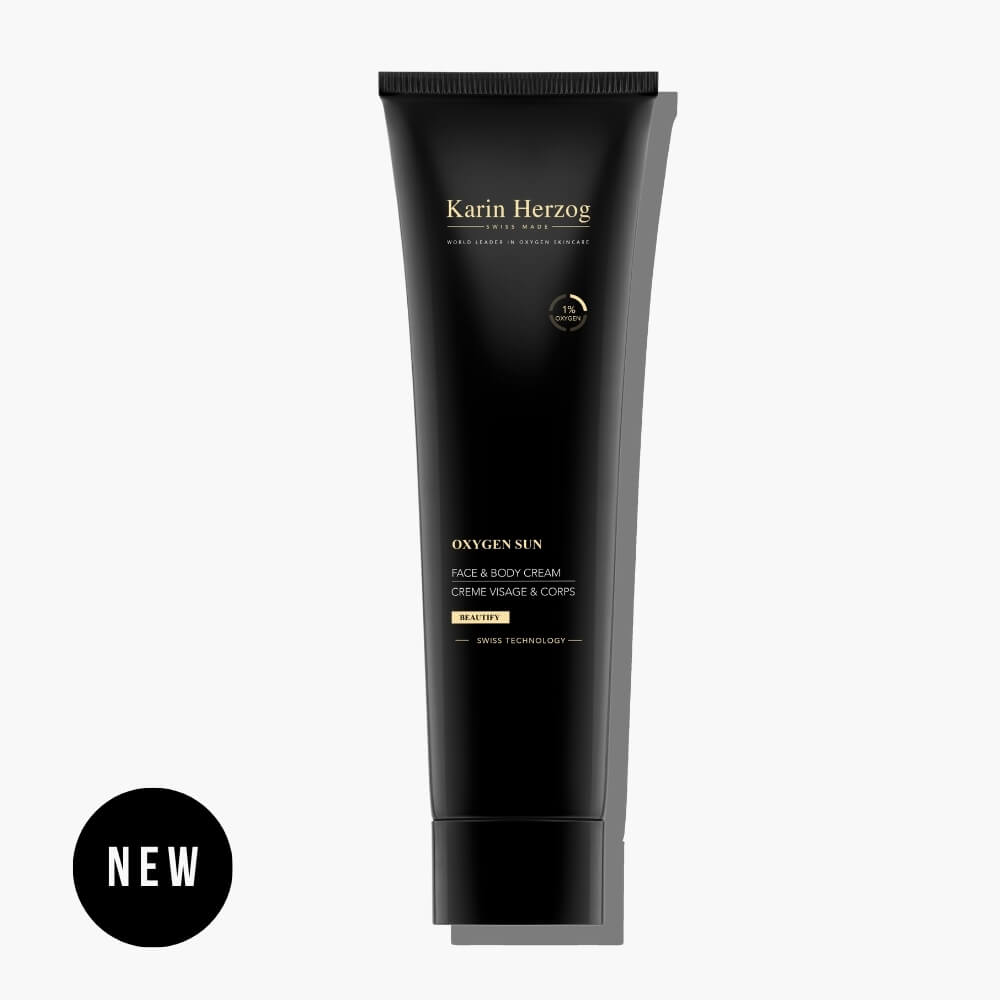
To make sure you're getting the full benefit, follow the two-finger rule. Squeeze a line of sunscreen onto your index and middle fingers, from the base to the tip. This is roughly the amount you need for your face and neck. A product like the gentle and hydrating Karin Herzog Oxygen Sun is an excellent choice for daily protection without causing irritation.
The diagram below breaks down the core principles of building a barrier repair routine, where hydrating, restoring, and soothing are the foundations for healthy, resilient skin.

This visual guide is a great reminder that successful barrier repair follows a simple, nurturing sequence—and diligent protection is what preserves these results for good.
Your Healing Timeline: When to Expect Results and Reintroduce Actives
Patience is probably the hardest, yet most important, tool in your repair kit. When your skin is red, angry, and uncomfortable, you just want it to feel better now. But learning how to repair a damaged skin barrier is a marathon, not a quick sprint. You’ll likely feel some initial calming effects within a few days, but the real structural healing takes time.
Here's a realistic way to think about it: your skin’s natural renewal cycle is about 28 days. If your barrier is only slightly irritated, you could see a massive improvement in two to four weeks. But for more chronic or severe damage, you’re looking at a recovery period closer to six weeks, or sometimes even longer.
Key Milestones on Your Healing Journey
Watching for small signs of progress is the best way to stay motivated. Don’t just wait for the redness to completely disappear; celebrate the little wins. These milestones are clear proof that your simplified, gentle routine is doing its job.
-
Days 1-7 (The Calming Phase): The first thing you should notice is less stinging or burning when you apply your products. Your skin might still look red, but it will feel less reactive and angry.
-
Weeks 1-3 (The Rebuilding Phase): This is when you'll start to see visible improvements. That persistent dryness and flakiness should begin to fade, and your skin will feel softer and more comfortable throughout the day.
-
Weeks 4-6+ (The Strengthening Phase): Now, your skin starts feeling resilient again. It looks calmer, feels more hydrated, and doesn't freak out at every little environmental change. This is the sign that your barrier is genuinely getting its strength back.
A very common mistake is jumping back into your actives the second your skin feels a bit better. This is almost always too soon and can send you right back to square one. You need to wait until your skin has been consistently calm and comfortable for at least two full weeks.
How to Reintroduce Actives: The Low and Slow Method
Once your barrier feels strong, stable, and has been calm for a while, you can start thinking about reintroducing your favourite active ingredients. The golden rule here is to go low and slow. Your newly healed skin is still delicate, and being too aggressive will undo all your hard work.
Start with just one active ingredient. For example, if you’re bringing back a retinol, pick a low-concentration formula and use it only once or twice a week. A great trick is to "sandwich" it between layers of moisturiser to buffer any potential irritation. Then, for the next few days, pay close attention to how your skin feels. Any tightness or new irritation is a sign to back off.
If your skin is happy after two weeks, you can slowly bump up the frequency to every other night. This cautious, step-by-step approach is the key to getting all the benefits of your actives without compromising your barrier’s newfound health.
Answering Your Top Barrier Repair Questions
When you're trying to figure out how to repair a damaged skin barrier, it’s completely normal to have a million questions. Getting clear, honest answers can make the whole process feel less confusing and help you stick with it. Here, we're tackling some of the most common things people ask.
One of the first questions is usually about makeup. Is it okay to wear it? My advice is to go bare-faced if you can, especially during that initial, intense healing phase. But if you really can’t, choose minimal, mineral-based formulas that won't clog your pores. Steer clear of heavy, long-wear foundations and always, always double-cleanse gently at night to get every last bit off.
Another big fear, particularly for those with oily or acne-prone skin, is that a gentle, hydrating routine will cause breakouts. This is a total myth. In fact, a damaged barrier often sends your skin into panic mode, causing it to produce more oil to compensate for the lack of moisture. By bringing it back into balance with a gentle, hydrating routine, you’re actually helping it regulate sebum production and calm down.
How Long Does Barrier Repair Really Take?
You’ll likely start to feel some relief from that awful tightness and raw sensation within a few days, but deep, structural healing takes time and patience. Your skin’s natural turnover cycle is about 28 days.
For a really compromised barrier, you need to be thinking in terms of at least two to six weeks of dedicated, gentle care. I know it’s tempting to jump back into using your favourite actives, but rushing it will only send you back to square one. It’s so important to let your skin heal completely.
Can You Over-Moisturise Damaged Skin?
It's definitely possible to use a product that’s too heavy or suffocating for your skin type, which can lead to clogged pores and congestion. The goal isn't just to slather on the thickest cream you can find and hope for the best.
The real key is to apply a well-formulated moisturiser—one with the right ingredients like ceramides, fatty acids, and niacinamide—in a comfortable layer, morning and night. Listen to what your skin is telling you. It should feel nourished and hydrated, not greasy or smothered. This is a much more strategic approach, giving your skin the building blocks it needs for repair without overwhelming it.
The most effective strategy is not about the quantity of moisturiser but the quality of its formulation. A product that mimics the skin's natural lipid structure will do more for healing than a generic heavy cream ever could.
Ultimately, repairing your skin barrier is all about creating a calm, supportive environment and giving your skin the tools it needs to fix itself. Trust the process, be patient, and remember that sometimes the gentlest approach delivers the most powerful results.
Ready to give your skin the advanced, oxygen-powered support it needs to heal? Discover the Swiss science behind Karin Herzog and build your ultimate barrier repair routine today. Explore our collection now.