
You’ve just had a laser session. Your skin feels hot, looks pink or red, and every product in your bathroom suddenly seems suspicious. You want the treatment results, but right now you’re mostly thinking, “What can I put on this without making it worse?”
That’s the moment many Australians reach for laser aid skinstitut. It has a strong reputation as a post-treatment soother, and for good reason. Skinstitut launched in the late 2000s and became a recognised Australian cosmeceutical brand, with Laser Aid created specifically to help calm skin after laser treatments on a market that uses these procedures widely (Skinstitut About Us).
Still, the product itself is only part of the story. Good aftercare isn’t just about taking the sting out of the first few hours. It’s about helping the skin recover cleanly, comfortably, and with the best possible long-term outcome. If you’re weighing your options after IPL, fractional treatments, or laser skin resurfacing, that distinction matters.
If your treatment wasn’t laser but you’re dealing with a similarly sensitised barrier, this guide to skin needling aftercare is also useful because the healing principles are very similar.
Your Skin After Laser What Happens Next
Laser treatments create controlled injury. That sounds dramatic, but it’s the point. Your practitioner uses light or heat to trigger change in the skin, whether the goal is pigment reduction, texture refinement, redness management, or collagen support.
In the first stage after treatment, skin usually feels warm, tight, reactive, and thirsty. Some people describe it as a sunburn feeling. Others notice redness, stinging, or a flush that hangs around longer than expected.
Why skin feels hot and unsettled
Your skin barrier has been disrupted. Heat from treatment can leave the surface feeling inflamed, and the skin starts shifting into repair mode straight away.
That’s where aftercare products matter. You’re not trying to “treat” the laser at home. You’re trying to support the skin while it settles.
Freshly treated skin usually needs less product, not more. Calm the skin first, then think about correction later.
Why so many people reach for Laser Aid
In clinic settings and home bathrooms alike, Laser Aid is often treated like a first-response product. It’s known for that immediate cooling, comforting role when skin feels overstimulated.
That reputation makes sense in the Australian context. Skinstitut built the product for post-laser care, and that specific focus is why it keeps coming up whenever people ask what to use after treatment.
The important question is whether short-term comfort is enough on its own. For some people, it’s a solid first step. For others, especially those focused on recovery quality and longer-term skin results, it’s only part of what the skin needs.
What Is Skinstitut Laser Aid and Why Is It Popular
You get home after a laser appointment, look in the mirror, and your skin feels far louder than it looks. It is warm, touchy, and not in the mood for strong skincare. In that moment, Laser Aid appeals because it is built for one job first. Help recently treated skin feel calmer and easier to manage.

What it’s designed to do
Skinstitut Laser Aid is a post-procedure gel-lotion used to cool, comfort, and lightly hydrate skin after treatments such as IPL and some non-ablative lasers. It is not positioned as an intensive corrective serum. It is the product people reach for during the unsettled stage, when the skin barrier is reactive and comfort matters more than complexity.
Its role is fairly simple:
- Cool skin that feels overheated
- Reduce the look of redness
- Make the surface feel less tight and irritated
- Provide light hydration without a heavy film
That simple brief is part of its popularity. Freshly treated skin often tolerates plain, low-fuss support better than layered actives, rich occlusives, or anything strongly fragranced.
Why people keep coming back to it
Laser Aid has become a familiar option because it fits the first 24 to 48 hours after treatment, when people usually want relief they can feel straight away. A gel texture can be useful here. It spreads without dragging, sits lightly on warm skin, and does not create the coated feeling that some balms or dense creams can.
Clinically, that matters. After laser, patients often want two things at once. They want the skin to settle quickly, and they want reassurance that they are not making things worse. A product designed specifically for post-treatment use feels easier to trust than a standard moisturiser pulled from the bathroom shelf.
It also helps that its use is not limited to one narrow scenario. People often keep it on hand for flushed, overworked skin after cosmetic treatments, sun exposure, or other short-term irritation.
The texture can confuse people
Laser Aid is usually described as cooling, but some users report a brief warming or active sensation on application. That sounds contradictory, so it helps to separate two different experiences.
A short-lived sensation that passes as the product settles can happen on freshly treated skin because the nerve endings are already reactive. Ongoing burning, rising redness, or worsening discomfort is different. That response needs caution and should be checked with your practitioner.
Why it remains popular, and where it can fall short
Laser Aid is popular because it does the immediate job well. It helps calm the surface during the stage when skin feels hot, tender, and easily overwhelmed. For many people, that is enough for day one.
But comfort is only one part of recovery. Once the initial heat settles, the next goal is helping skin rebuild water balance, barrier strength, and overall resilience. That is why post-procedure care often works best as a sequence rather than a single product story. A soothing gel can be the first step, then hydration support becomes more important, especially if skin starts feeling dry, papery, or tight. If you want to understand how to choose that next layer well, this guide to finding the best hyaluronic acid serum in Australia is a helpful place to start.
A Deep Dive Into Laser Aid's Key Ingredients
Laser Aid is easier to assess when you sort the formula by function. That approach matters after laser treatment because freshly treated skin has more than one need at the same time. It wants less heat, less sting, and better water balance, all while the barrier is still unsettled.

Ingredients that help calm the look and feel of irritation
One of the better-known ingredients in the formula is Hamamelis Virginiana (Witch Hazel) Extract. The reason people notice it is simple. Witch hazel is commonly used in products designed to reduce the look of flushing and leave skin feeling tighter and less reactive on the surface.
That can be reassuring in the first stage after treatment, when redness often looks more dramatic than it is. Skin may appear angry, even when the response is still within the normal post-procedure window.
Laser Aid also includes soothing plant-derived ingredients such as aloe. These ingredients do not rebuild the skin on their own, but they can make the first recovery phase feel more manageable.
Ingredients that help hold water in the skin
Post-laser skin often becomes dehydrated faster than people expect. A face can still look shiny and feel dry at the same time because surface inflammation and water loss can happen together.
In this part of the formula, Trehalose and Propylene Glycol are doing much of the practical work. They act like moisture-binding helpers, drawing water toward the upper layers and reducing that tight, papery feeling that often shows up a day or two after treatment.
This is the point many people find confusing. Cooling is not the same as hydration. A product can feel refreshing when you apply it, yet still offer only light support once that first sensation fades. If longer-lasting hydration is usually a weak point for your skin, this guide to finding the best hyaluronic acid serum in Australia explains what to look for once your skin is ready for the next phase.
The supportive ingredients that round out the formula
Laser Aid also contains Vitamin B5 and Vitamin E, two familiar ingredients in recovery-focused skincare. In clinic language, these are comfort ingredients. They help reduce the dry, strained feeling that can follow resurfacing treatments and support a more settled skin feel while the barrier catches up.
The base matters too.
A light gel-emulsion texture spreads easily and does not leave the kind of heavy coating that some post-procedure skins dislike. That lighter finish can suit people who flush easily, feel trapped under rich creams, or worry about congestion while the skin is still reactive.
What the formula does well
Laser Aid performs best when you use it for the task it was designed to do. Its strongest role is early-stage comfort care.
| Formula strength | Why it matters after treatment |
|---|---|
| Visible redness support | Helps reduce the look of post-treatment flushing |
| Light hydration | Adds water-binding support without a heavy finish |
| Cooling comfort | Can ease the hot, tender feeling common after laser |
| Flexible calming care | Can also be used for short-term irritation outside procedures |
Used this way, Laser Aid works like a first-aid layer for skin that feels overstimulated. Helpful, yes. Complete, no. Once the initial heat and sting begin to settle, stronger recovery usually comes from a routine that does more than calm the surface and starts actively supporting repair.
Beyond Soothing A Better Path to Post-Procedure Recovery
A lot of aftercare advice stops at “calm the skin down.” That’s sensible in the first phase, but it’s incomplete.
After a laser treatment, your skin isn’t only inflamed. It’s also working. It’s trying to restore barrier function, manage water loss, and reorganise repair processes beneath the surface.
Where a soothing-only approach can fall short
There’s a real evidence gap here. In Australia, dermatological procedures reportedly surged 15% in 2025, yet there’s still limited long-term data comparing Laser Aid’s botanical approach with other post-care options for sustained barrier repair beyond the initial 48 to 72 hours (Adore Beauty BeautyIQ article).
That doesn’t mean Laser Aid isn’t helpful. It means we should be careful not to assume that early relief automatically equals optimal recovery.
What skin needs after the heat settles
Once the initial redness and heat start easing, the job changes. Now the skin needs support for:
- Barrier rebuilding
- Hydration balance
- Comfort without congestion
- A cleaner transition back into corrective skincare
That’s where many people get stuck. They either keep using only calming products for too long, or they restart active products too aggressively and end up with another flare.
A better framework is to ask two separate questions:
- What calms the skin today?
- What helps the skin recover well over the next several days?
Those are not always answered by the same product.
Clinical mindset: Immediate soothing is phase one. Recovery quality is phase two.
If your skin barrier tends to stay fragile after procedures, this practical guide to skin barrier repair products can help you think more clearly about what your skin may need after the first reactive window passes.
The Karin Herzog Alternative Oxygen-Powered Healing
Some aftercare products are built to quiet the skin. Others aim to support what the skin is trying to do next. That’s where oxygen-based methodology enters the conversation.

Why oxygen changes the discussion
As at-home IPL and LED device sales increase in Australia, there’s growing interest in combining calming care with active support. The available background on this topic notes an emerging opportunity to pair soothing products with active therapies, and that Karin Herzog’s stabilised oxygen has been shown to boost collagen in vitro, creating potential synergy for sensitive or acne-prone skin (BareBella Beauty article).
That’s a different concept from only cooling. Cooling helps the skin feel better. Oxygen-focused care is used with the goal of supporting a more regenerative environment.
Soothing versus regenerating
This distinction matters after procedures. A purely calming product can reduce the visible and sensory signs of irritation. An oxygen-led routine aims to do more than that by supporting skin renewal processes while keeping the routine controlled and deliberate.
Here’s the practical difference:
| Attribute | Skinstitut Laser Aid (Soothing Approach) | Karin Herzog (Oxygen Regeneration Approach) |
|---|---|---|
| Primary role | Comforts hot, reactive skin | Supports regeneration-focused recovery |
| Best timing | Early post-treatment relief | Recovery phase when skin is ready for active support |
| Main feel | Cooling, calming gel-lotion | Treatment-oriented cream or mask textures |
| Focus | Redness and surface comfort | Cellular support, clarity, firmness, ongoing skin quality |
| Who may like it | People wanting immediate relief | People wanting a more proactive long-term method |
Why some clinicians and experienced users prefer a layered strategy
Post-procedure skin often benefits from a sequence rather than a single hero product. The sequence usually looks like this:
- First, settle excessive heat and reactivity.
- Next, support cleaner recovery.
- Then, reintroduce products that align with your main goal, whether that’s clarity, firmness, or smoother texture.
That’s why oxygen-focused care is often discussed as a methodology rather than a one-off product choice. It sits in the “support recovery quality” category.
For readers who want the technical background, this explainer on the science of oxygen and why Karin Herzog stands out gives the underlying concept in more detail.
Surface calm is helpful. Regenerative support is what many people seek, even if they don’t describe it that way.
Your Post-Procedure Karin Herzog Routines
You’ve had your laser treatment, gone home, and by evening your skin feels warm, tight, and more reactive than usual. This is the point where routine matters. Skin in recovery responds best to a calm sequence, not a bathroom shelf full of “helpful” extras.

Laser Aid still has a place here. As noted earlier, it is mainly a comfort product. It helps reduce that hot, unsettled feeling and gives the skin a softer, more hydrated surface while the early irritation settles. The limitation is that comfort and recovery are not the same thing. A stronger aftercare plan supports both, which is why clinicians keep stressing the importance of proper aftercare.
A useful way to picture the process is wound support in stages. First, you calm the noise. Then you help the skin rebuild. Karin Herzog routines work best when you use them at the rebuilding stage, once the skin is no longer sharply reactive.
Routine for sensitive or acne-prone skin
This routine suits skin that flushes easily, clogs under rich textures, or becomes unpredictable after procedures.
- Cleanse gently Use a mild cleanser with lukewarm water. Keep contact short. Your goal is to remove residue, not to polish the skin.
- Use a calming layer only if the skin still feels hot If you still have obvious heat or sting, keep your soothing step light and give it time to settle before adding anything else.
- Add Oxygen Hyalu’Lift once the surface is settled This is often the first Karin Herzog product that fits sensitive post-procedure skin well. It supports hydration while keeping the texture relatively light, which matters for skin that clogs easily.
- Use Essential Mask on recovery nights If the skin feels tight in some areas and oily or reactive in others, a mask can help restore a more even feel without turning the whole routine into a heavy one.
- Keep everything else quiet Skip exfoliating acids, scrubs, retinoids, and strong acne spot treatments until your skin is behaving normally again.
Routine for anti-ageing and firmness goals
Some people choose laser because they want more than less redness or fewer marks. They want smoother texture, better bounce, and skin that looks fresher a few weeks later, not just calmer tomorrow.
That is where the Karin Herzog method becomes more interesting. Instead of staying in an endless soothing loop, you begin adding products with a regeneration focus once your clinician’s immediate recovery window has passed.
- Start with a gentle cleanse A clean, undisturbed base gives post-procedure skin the best chance to recover evenly.
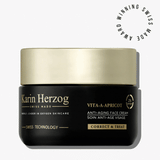
- Introduce Vita-A-Kombi at the right time Once the skin is no longer hot, prickly, or fragile, Vita-A-Kombi can support renewal-focused care for readers thinking beyond short-term comfort.
- Use Oxygen Hyalu’Lift for hydration and suppleness This works well if your skin feels recovered enough for active support but still needs water-binding comfort and a smoother surface feel.
- Bring in Essential Mask as needed Use it on nights when the skin looks tired, dull, or slightly drawn, especially if recovery feels uneven across the face.
A simple rule helps here. If your skin still says “protect me,” stay gentle. If it says “I’m stable again,” that is usually the point where oxygen-powered support can improve the quality of healing, not just the appearance of calm.
Judge your aftercare by the week that follows, not only by the first 24 hours. Good post-procedure skin often looks less reactive early on, then clearer, stronger, and more balanced as the days pass.
Common Questions About Laser Aid and Post-Procedure Care
Can I use Skinstitut Laser Aid every day if I haven’t had a procedure
You can, if your skin likes it and you’re using it as a calming product rather than a treatment for every concern. Many people use it for temporary irritation, post-sun discomfort, or reactive moments. It makes more sense as an occasional support product than as the centre of a long-term results routine.
Is Laser Aid suitable for rosacea or acne flare-ups
It may help calm skin that feels inflamed or unsettled, and that’s one reason it has broad appeal. But rosacea and acne are ongoing conditions, not just “red skin,” so a soothing product should be seen as supportive care rather than a full management plan.
Can I apply it to broken or weeping skin
If the skin is open, weeping, or looks more medically compromised than just irritated, don’t self-direct. Follow your practitioner’s instructions. Post-procedure skin can move from normal redness into something that needs clinical review, and it’s safer to ask than guess.
How soon after laser can I start oxygen creams
That depends on the treatment depth and how your skin presents in the first recovery window. If the skin is still very hot, sharply reactive, or visibly compromised, stick with your clinician’s immediate aftercare plan first. Once the surface has settled, that’s when a more regenerative routine can be considered.
What matters most if I want the best result
Consistency beats product overload. Gentle cleansing, careful hydration, sun awareness, and appropriate timing matter more than trying five different recovery products at once. If you want a broader perspective on the importance of proper aftercare, tattoo-removal guidance reinforces the same principle. Treated skin heals best when aftercare is deliberate, not rushed.
If you want post-procedure care that goes beyond soothing, explore Karin Herzog. Its Swiss oxygen skincare approach is designed for people who want recovery support with a stronger focus on regeneration, clarity, hydration, and long-term skin quality.