
A glycolic acid peel is a professional-grade skin treatment that uses an acid derived from sugarcane to deeply exfoliate the skin's surface. Think of it as a powerful reset button that dissolves the “glue” holding dead cells together, revealing a fresher, more radiant complexion that’s been hiding underneath.

What Is a Glycolic Acid Peel and How Does It Work?
A glycolic acid peel is a type of chemical exfoliation that leverages a specific Alpha-Hydroxy Acid (AHA). Its popularity isn't just hype; it's rooted in simple, effective science. Understanding how it works is the key to appreciating its remarkable benefits for your skin.
Imagine the outer layer of your skin (the stratum corneum) is like a brick wall. The "bricks" are your old, dull skin cells, and the "mortar" holding them together is a glue-like substance made of lipids and proteins. A glycolic acid peel works by dissolving this mortar.
Once those bonds are broken, the lifeless cells can be easily sloughed away. This uncovers the smoother, brighter, and more youthful-looking skin that was waiting just beneath the surface. It’s a controlled process of renewal that encourages your skin to behave more like it did when it was younger.
Why Glycolic Acid Is So Effective
Not all AHAs are created equal. Glycolic acid stands out because it has the smallest molecular size in the AHA family. This unique trait allows it to penetrate the skin more deeply and efficiently than other acids, such as lactic acid.
This deeper action provides several key advantages:
- Stimulates Collagen: It goes beyond surface exfoliation to send signals to the deeper layers of your skin, encouraging fibroblast cells to produce new collagen for improved firmness.
- Corrects Uneven Tone: It accelerates cell turnover, which helps fade discolouration from sun damage and post-acne marks more quickly.
- Refines Texture: By clearing away dead cell buildup, it smooths rough patches and reduces the appearance of fine lines. You can learn more about how different active ingredients in skincare contribute to these results in our detailed guide.
Growing Demand in Australia
This effectiveness is why the glycolic acid peel has become a cornerstone of modern dermatology, especially in sun-drenched climates like Australia where the demand for treatments that combat photoageing is surging. In fact, Australia's chemical peel market is projected to generate over USD 80.5 million by 2026, a testament to how many people are turning to these solutions for real, visible results.
A glycolic acid peel is more than just a surface treatment; it's a catalyst for cellular change. By dissolving the 'glue' between old cells, it kick-starts a renewal process that enhances skin tone, texture, and underlying health.
For a quick overview, here's a simple breakdown of what a glycolic acid peel does.
| Glycolic Acid Peel at a Glance | ||
|---|---|---|
| Key Function | Primary Benefit | Best For |
| Dissolves the bonds holding dead skin cells to the surface. | Accelerates cell turnover for a brighter, smoother complexion. | Fading discolouration, reducing fine lines, and improving rough texture. |
| Stimulates fibroblast cells in the dermis. | Boosts collagen production for firmer, more resilient skin. | Addressing signs of photoageing and loss of elasticity. |
Ultimately, it’s a powerful tool for achieving a comprehensive skin reset, helping to restore the clarity and vitality that environmental factors can diminish over time.
Comparing Professional Peels and At-Home Treatments
When it comes to glycolic acid peels, you’re essentially choosing between two very different paths to get that radiant skin you’re after: a powerful treatment at a clinic, or a gentle, consistent routine at home. Both can deliver beautiful results, but the journey—in terms of intensity, commitment, and downtime—is completely different. Understanding these differences is the key to figuring out which approach is right for you.

Professional peels are the heavy hitters of skin resurfacing. Performed in a controlled clinical environment by a dermatologist or a qualified dermal therapist, these treatments use high concentrations of glycolic acid, often ranging from 20% to 70%. This strength allows for a deep, rapid exfoliation that can trigger dramatic improvements in a very short time.
Think of it as a major renovation for your skin. If you're dealing with significant sun damage, deep-set lines, or stubborn hyperpigmentation, a professional peel delivers the potency needed to tackle these advanced concerns head-on.
The In-Clinic Experience
The trade-off for all that power is the recovery period. After a professional peel, your skin will be in a very active healing phase. You can expect redness, sensitivity, and visible peeling for several days, sometimes up to a week.
This downtime is a planned and necessary part of the process, as the old, damaged outer layer makes way for the fresh, new skin underneath. While these peels are highly effective, they require you to schedule in some recovery time and stick to a strict post-care routine to ensure your skin heals beautifully and you protect your investment.
The At-Home Approach
In contrast, at-home treatments are all about gentle consistency. Products like serums, creams, and lotions feature much lower concentrations of glycolic acid, typically under 10%. This lower strength makes them safe for regular use without the dramatic peeling or downtime that comes with their clinical counterparts.
The goal here isn't a one-off renovation but rather daily maintenance and gradual refinement. An at-home glycolic acid treatment works subtly, improving skin texture, boosting clarity, and maintaining a healthy glow over time. It’s the perfect strategy for those new to acids or for anyone looking to maintain the results of their professional treatments.
An at-home AHA product is your skin's consistent, gentle personal trainer, working day by day to keep it smooth and radiant. A professional peel is the intensive bootcamp you turn to for a major transformation.
A great example of a sophisticated at-home option is the Karin Herzog AHA Cream. It’s formulated to gently dissolve dead skin cells, helping to refine pores and brighten your complexion without disrupting your life. If you're curious about how different exfoliants work together, you might find our guide on alpha and beta hydroxy acids helpful.
To help you decide, here’s a simple breakdown of how the two approaches compare.
Professional Peels vs. At-Home Treatments
| Feature | Professional In-Clinic Peel | At-Home Treatment (e.g., Karin Herzog AHA Cream) |
|---|---|---|
| Concentration | High (20%–70%) for powerful, rapid resurfacing. | Low (under 10%) for gentle, consistent exfoliation. |
| Best For | Targeting significant sun damage, deep wrinkles, and stubborn pigmentation. | Maintaining skin radiance, refining texture, and preventing dullness. |
| Downtime | Requires 3-7 days of recovery with visible peeling and redness. | No downtime; can be incorporated into your regular daily routine. |
| Results | Dramatic and rapid improvements, often visible after one series of treatments. | Gradual and steady improvement in skin clarity and smoothness over time. |
| Supervision | Must be performed by a trained professional, like a dermatologist. | Safe for unsupervised use at home when following product directions. |
Ultimately, the choice isn't about which option is better, but which is better for you and your specific skin goals, budget, and lifestyle. Many people find incredible success by combining both—using professional peels for periodic resets and integrating gentle at-home products like the Karin Herzog AHA cream to extend and enhance those beautiful results.
A glycolic acid peel delivers far more than just a temporary glow. It’s a scientifically-proven treatment that creates genuine, long-term improvements for some of the most common skin challenges we face here in Australia, from premature ageing to stubborn breakouts.
When you understand the science behind it, you start to see why it delivers such visible, lasting results. It’s a targeted treatment that gets to the root of the problem.
Rebuilding Firmness and Reducing Fine Lines
Think of glycolic acid as a personal trainer for your skin cells. When it comes to anti-ageing, its main job is to wake up the very cells responsible for keeping your complexion firm, plump, and youthful.
As we get older, our skin’s natural production of collagen—the protein that gives it structure and support—inevitably slows down. This is what leads to loss of firmness, reduced elasticity, and the fine lines and wrinkles we start to notice. A glycolic acid peel works to directly counteract this.
Because its molecular size is so small, glycolic acid can penetrate deeper than many other ingredients, reaching the dermis where our collagen-producing fibroblast cells live. It essentially sends a message to these cells, telling them it’s time to get back to work and ramp up collagen synthesis.
Over time, with consistent treatments, this renewed collagen production results in:
- Increased Skin Firmness: The new collagen network rebuilds your skin’s underlying scaffolding, making it feel bouncier and more resilient to the touch.
- Smoother Texture: As your skin becomes plumper from the inside, the appearance of fine lines and surface wrinkles is noticeably softened.
- Enhanced Elasticity: Your skin starts to regain some of that youthful ability to snap back into place.
By actively stimulating this whole process, a glycolic acid peel doesn’t just mask the signs of ageing—it encourages your skin to start behaving in a more youthful way. If you’re interested in other ways to support this renewal, our guide on how to boost collagen naturally offers some great complementary strategies.
Clearing Congestion for Acne-Prone Skin
For anyone struggling with breakouts, blackheads, and general congestion, a glycolic acid peel acts like a powerful deep-cleaning service for your pores. Acne almost always starts when a pore gets clogged with a sticky mix of dead skin cells, oil (sebum), and bacteria. Glycolic acid goes straight to the source.
It expertly dissolves that stubborn buildup of dead cells, not just on the surface but also deep inside the pore lining. This action effectively “unplugs” the blockages that lead to blackheads, whiteheads, and painful, inflammatory pimples.
A glycolic acid peel essentially clears the pathway, preventing the traffic jam of cells and sebum that causes breakouts. It’s one of the most effective ways to decongest the skin from the inside out.
It’s also incredibly effective at tackling those frustrating marks left behind after a blemish heals. By speeding up cell turnover, it helps the discoloured cells of post-inflammatory hyperpigmentation (PIH) to shed much more quickly, fading those stubborn red or brown spots and leaving you with a clearer, more uniform complexion.
Reversing Sun Damage and Evening Skin Tone
In a sun-drenched climate like Australia’s, sun damage is one of our biggest skin concerns. Years of UV exposure can trigger an overproduction of melanin, leading to sunspots, freckles, and a generally uneven or mottled skin tone. A glycolic acid peel is an excellent tool for correcting this kind of photodamage.
The peel works by accelerating the skin’s natural process of desquamation, which is just the technical term for cell shedding. It lifts and removes the outermost layers of the epidermis, where all that excess pigment has built up over the years.
This renewal process helps to:
- Fade Dark Spots: As the discoloured layers are gently shed, the hyperpigmented spots become lighter and far less noticeable.
- Restore Radiance: Removing the dull, sun-damaged surface reveals the brighter, more luminous skin that’s been hiding underneath.
- Create Uniformity: With consistent treatments, your overall skin tone becomes smoother, more even, and less blotchy.
Ultimately, a glycolic acid peel addresses all these distinct concerns by doing one thing exceptionally well: promoting rapid, controlled cellular renewal. Whether you’re looking to rebuild collagen, clear out clogged pores, or shed sun damage, it provides a scientifically proven path to achieving healthier, more resilient, and visibly revitalised skin.
Your Step-By-Step Pre and Post-Peel Care Plan
Getting the absolute best from a glycolic acid peel isn't just about the treatment itself—it’s about the care you take before and after. Think of it as the difference between a good result and a truly exceptional one. The right preparation and aftercare will ensure a smooth, comfortable recovery and deliver that stunning, radiant skin you’re after.
It’s a bit like preparing a canvas for a masterpiece. You need to prime the surface so it can receive the treatment perfectly and heal beautifully. The aftercare, in turn, is what protects that masterpiece while it sets.
Priming Your Skin Before the Peel
How you prepare your skin in the days leading up to your peel is non-negotiable. The goal is simple: make your skin as strong, resilient, and hydrated as possible to minimise any risk of irritation and set the stage for a flawless result.
Here's your pre-peel game plan:
-
Pause Other Exfoliants: At least one week before your appointment, you need to press pause on all other forms of exfoliation. This means no physical scrubs, no other AHAs or BHAs, and definitely no retinoid products (like retinol or tretinoin). Using them too close to your peel can over-exfoliate the skin, compromise your barrier, and lead to significant irritation.
-
Focus on Hydration: Shift your routine to be all about hydration and barrier support. Use gentle, creamy cleansers and layer on moisturisers packed with ingredients like ceramides, hyaluronic acid, and glycerin. A well-hydrated skin barrier is a resilient one, and that’s exactly what you want heading into a peel.
-
Avoid Sun Exposure: This is always a golden rule, especially under the Australian sun, but it becomes critical before a peel. Steer clear of direct, prolonged sun exposure and be absolutely diligent with your sunscreen. A sunburn right before a chemical peel is a recipe for a painful and complicated recovery.
This is all in service of achieving the beautiful results a peel can offer, from softening signs of ageing to clearing up breakouts and repairing sun damage.

As you can see, the benefits are comprehensive, targeting both the surface and the deeper structure of the skin to promote a healthier, more vibrant complexion.
Your Post-Peel Recovery Blueprint
After your peel, your skin enters a delicate and highly active state of renewal. It's brand new, sensitive, and incredibly receptive—both to healing ingredients and potential irritants. Your post-peel care is all about providing a gentle, protective, and deeply nourishing environment.
For the first 5-7 days post-peel, your mantra should be: soothe, hydrate, and protect.
Think of your post-peel skin as a newborn—it needs the gentlest touch, deep nourishment, and absolute protection from the outside world. This is the period where your long-term results are truly solidified.
Follow this simple but highly effective routine:
-
Cleanse Gently: Swap to a soap-free, pH-balanced, creamy cleanser and use only lukewarm water. Hot water will only strip the skin. When you’re done, pat your face dry with a soft towel—no rubbing!
-
Soothe and Restore: Now is the time for calming, restorative products. The Karin Herzog Essential Mask is an ideal choice for this phase. Its gentle 2% oxygen formula helps to calm redness and brings a wave of comfort to sensitised skin, creating the perfect healing environment.
-
Moisturise Generously: Your skin will likely feel tight and dry as it starts to heal and flake. Be ready to apply a rich, restorative moisturiser several times a day to keep it supple and comfortable. This not only eases any discomfort but helps the shedding process happen smoothly, without any cracking or irritation.
-
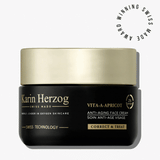
Energise Cellular Repair: Once the initial sensitivity has calmed down (usually after 2-3 days), you can begin to support the healing process with active nourishment. A product like the Karin Herzog Vita-A-Kombi with Oxygen is perfect here. The stabilised oxygen helps to energise your skin’s new cells, boosting their repair functions and accelerating the rejuvenation process for a more vibrant, glowing result.
The Most Critical Post-Peel Rule
If you remember only one thing, let it be this: sun protection is paramount. Freshly peeled skin is extremely vulnerable to UV damage. Any sun exposure can not only reverse the benefits of your peel but can also trigger post-inflammatory hyperpigmentation, leaving you with new dark spots to worry about.
You must apply a broad-spectrum SPF 50+ every single morning, without fail, even if you’re just staying indoors near a window. If you're outside, reapply it diligently. For Australians, choosing the right sunscreen is vital, and you can explore our guide on finding the best SPF 50 moisturisers to protect your investment.
By following this dedicated pre and post-peel plan, you're not just hoping for good results—you're taking control of them. You ensure your skin is perfectly prepared for renewal and fully supported during its healing journey, leading you to the clear, radiant complexion you deserve.
How to Integrate Gentle AHAs Into Your Routine
While a professional glycolic acid peel offers a fantastic reset for your skin, the real secret to lasting radiance isn’t found in a single, dramatic treatment. It’s built through the small, consistent steps you take every day. The goal is to shift from seasonal corrections to a gentle, daily exfoliation strategy that keeps your skin smooth and refined, without the intensity or downtime of a clinic peel.
This is where beautifully formulated at-home products come into their own. Instead of aggressive resurfacing, think of it as a process of subtle, ongoing refinement. By weaving gentle Alpha-Hydroxy Acids (AHAs) into your daily ritual, you can maintain a bright, clear complexion that just keeps getting better.
Building Your Gentle Exfoliation Routine
For daily maintenance, you need products specifically designed for safe, regular use. The Karin Herzog AHA Cream is a perfect example. It uses a delicate blend of fruit acids to gently dissolve the "glue" holding old, dull skin cells to the surface. This simple step prevents that lacklustre look from setting in and keeps your skin’s surface smooth and ready for other treatments.
To give your skin an extra polish, you can pair this with a physical exfoliant like the Karin Herzog Mild Scrub once or twice a week. Its fine marble powder buffs away the dead cells that the AHA cream has loosened, leaving your skin incredibly soft. This two-pronged approach gives you thorough exfoliation without ever compromising your skin’s natural barrier.
This gentle method is ideal for:
- Keeping that post-facial glow alive between professional treatments.
- Preventing congestion and keeping pores clear of build-up.
- Gradually refining your skin’s texture and evening out its tone.
The Synergy of AHAs and Oxygen
But the real magic happens when you combine gentle exfoliation with Karin Herzog’s signature oxygen technology. This duo creates a powerful system where each step makes the next one work even better. It’s a complete two-part process for total skin rejuvenation.
First, you prepare the canvas. The AHA cream whisks away the surface layer of old, lifeless cells. Think of it like clearing away fallen leaves from a path—it removes the obstructions so that whatever you apply next can get to where it needs to go, without anything in its way.
"The secret to maximising any active ingredient is ensuring it can reach its target. By using AHAs first, you are essentially creating a clear pathway for our stabilised oxygen to penetrate deeper and work more effectively."
With the surface clear, your skin is perfectly primed for step two: oxygen infusion. Applying an oxygenated cream like Vita-A-Kombi right after the AHA cream has been absorbed means the active oxygen gets to work directly on the fresh, new skin cells just beneath the surface.
This process energises cellular metabolism, kick-starts repair functions, and supercharges collagen production right where it counts. The result is a routine that doesn’t just work on the surface but actively revitalises your skin from within. The AHAs resurface, and the oxygen rebuilds—a complete system for achieving and maintaining a truly healthy, age-defying glow.
Frequently Asked Questions About Glycolic Acid Peels
Diving into the world of chemical peels can feel a little intimidating, and it’s natural to have questions. We’ve pulled together some of the most common queries we hear about the glycolic acid peel to give you clear, expert answers. Our goal is to help you feel confident, whether you’re about to book your first professional treatment or try a new at-home product.
How Often Can I Get a Glycolic Acid Peel?
This really comes down to the strength of the peel. For the more intensive, professional-grade peels you’d get in a clinic, treatments are usually scheduled 4-6 weeks apart. This is often done as a series of 3-6 sessions to achieve the best results.
On the other hand, gentle at-home formulas with a low percentage of AHAs are designed for much more frequent use. Depending on the product, you might use them a few times a week or even daily, but always follow the specific directions.
Is a Glycolic Acid Peel Supposed to Hurt?
You should expect to feel something, but definitely not pain. During a professional peel, it’s very common to experience a bit of tingling, itching, or a warming sensation as the acid gets to work. These feelings are temporary and your practitioner will be monitoring your skin closely.
A mild tingling or "spicy" feeling is completely normal and just means the acid is active. Real pain is not part of the process and is a sign to speak up immediately.
How Soon Will I See Results?
Many people notice an immediate glow and a smoother feel to their skin as soon as the initial peeling or flaking subsides, which is usually within a week.
The real magic, however, happens over time. Deeper benefits like boosted collagen, softer fine lines, and faded pigmentation build up cumulatively. You’ll see the most significant, lasting improvements after finishing a full series of treatments.
Can I Use Glycolic Acid on Sensitive Skin?
Yes, but you need to be smart about it. If your skin is sensitive, it’s absolutely crucial to start with the lowest possible concentration and always do a patch test before applying it to your face.
Look for products specifically formulated for sensitive complexions. If your skin still reacts, don’t force it. Consider a gentler AHA like lactic acid or even a PHA, which might be a better fit.
For a gentle yet effective way to introduce AHAs into your routine, explore the Karin Herzog collection, designed to deliver visible results with Swiss precision. Discover our expertly formulated AHA products at https://karinherzog.com.au.