
When you have sensitive skin, your entire approach to skincare needs a rethink. It’s far less about chasing the latest ‘it’ ingredient and much more about focusing on a gentle, nurturing philosophy that calms, hydrates, and protects. The goal is to build resilience from the inside out, using minimalist formulas that support your skin’s own defence system.
What Is Sensitive Skin and How Do You Manage It

Does your skin feel like it’s in a constant state of rebellion? One day it seems fine, the next it’s red, tight, and overreacting to seemingly everything. If this sounds familiar, you’re not just imagining it. ‘Sensitive skin’ isn’t a fleeting issue; it’s a sign that your skin’s natural protective barrier is weakened and on high alert.
Think of your skin barrier as a perfectly constructed brick wall. Your skin cells (the bricks) are held together by a lipid mortar made of ceramides and fatty acids. When it’s strong, this wall is brilliant at keeping hydration locked in and irritants locked out.
But when that barrier is compromised, tiny cracks form in the mortar. This is a double-edged sword: precious moisture escapes, causing dehydration and dryness, while external aggressors like pollutants, allergens, and harsh ingredients can get in, triggering that frustrating inflammatory response.
This is precisely why finding the right skincare is less about trends and all about rebuilding that protective wall, piece by piece.
Understanding the Signs and Triggers
Learning to read your skin's signals is the first step to getting things back on track. A compromised barrier and underlying sensitivity often show up as:
- Redness and Flushing: A persistent pink or red hue, especially after cleansing or applying products.
- Stinging or Burning: That sharp, uncomfortable sensation when a new product touches your skin.
- Itchiness and Tightness: A constant feeling of discomfort, as if your skin is a size too small.
- Dry, Flaky Patches: A tell-tale sign your skin is losing its battle to hold onto moisture.
These reactions don't just happen out of the blue; they’re set off by specific triggers. While some of us are genetically predisposed to sensitivity, environmental factors play a huge role—especially in the harsh Australian climate, where high UV exposure and urban pollution put our skin to the test daily. Even lifestyle factors like stress and diet can fan the flames.
If you feel like you’re constantly battling these symptoms, you are far from alone. Globally, an incredible 71% of people now report having sensitive skin, which marks a staggering 55% jump in just two decades.
Taking Back Control of Your Skin
Managing sensitivity is a journey, not a race. The focus should always be on calming existing irritation while gently rebuilding your skin's defences for better long-term health. This means simplifying your routine and choosing every product with purpose. An essential part of this is Crafting the perfect skincare routine for sensitive skin.
By deliberately choosing soothing ingredients and steering clear of known irritants, you can help patch up your skin’s protective layer. For anyone wanting to truly understand this crucial first step, our detailed guide on how to repair a damaged skin barrier is the perfect place to start. After all, a strong, healthy barrier is the foundation of calm, comfortable skin.
Decoding Ingredients for Your Sensitive Skin
Walking down a skincare aisle can feel like trying to crack a secret code. Between the long, scientific names and confusing marketing promises, it’s easy to get overwhelmed and just hope for the best. But becoming a savvy shopper is simpler than it sounds. It really just comes down to knowing which ingredients to welcome into your routine and which ones to politely decline.
Think of it as creating a 'guest list' for your skin. Some ingredients are heroes that calm, hydrate, and rebuild, while others are known party-crashers that can strip your skin’s protective barrier and leave it feeling worse than before. This knowledge shifts you from being a hopeful buyer to an empowered expert who understands exactly what your skin needs.
Sensitive Skin Ingredient Cheat Sheet
To make things easier, we've put together a quick cheat sheet. This isn't an exhaustive list, but it covers the most common ingredients you'll encounter. Use it as a starting point to scan labels and make more confident choices.
| Ingredient Category | Embrace (Soothing & Safe) | Avoid (Potential Irritants) |
|---|---|---|
| Cleansing Agents | Gentle, non-foaming surfactants (e.g., Coco-Glucoside) | Harsh Sulphates (SLS/SLES) |
| Alcohols | Fatty Alcohols (e.g., Cetyl, Stearyl Alcohol) | Drying Alcohols (e.g., SD Alcohol, Denatured Alcohol) |
| Actives | Niacinamide, Stabilised Oxygen, Bakuchiol | High-strength Retinoids (initially), high % Glycolic Acid |
| Hydrators | Hyaluronic Acid, Glycerin, Ceramides | Ingredients that require harsh penetration enhancers |
| Additives | Natural botanical extracts (if not allergic) | Synthetic Fragrances ('Parfum'), essential oils (for some) |
Remember, everyone's skin is unique. What works for one person might not work for another, but this guide is a solid foundation for steering clear of the most common troublemakers.
The Irritant Blacklist to Avoid
Certain popular ingredients are just too aggressive for a compromised skin barrier. When your skin is sensitive, the number one rule is to do no harm. Keep an eye out for these common triggers on ingredient labels.
- Drying Alcohols: Not all alcohols are created equal. But simple alcohols like SD alcohol, denatured alcohol, and isopropyl alcohol can be incredibly dehydrating. They’re often added to give products a quick-drying, lightweight feel, but they do so by stripping your skin’s natural oils, leading to that awful tight, irritated feeling.
- Artificial Fragrances: Seeing 'Parfum' or 'fragrance' on a label is a red flag. This single word can hide a cocktail of dozens of potentially sensitising chemicals. They are one of the most frequent causes of contact dermatitis, showing up as redness, itchiness, and frustration.
- Harsh Sulphates: Ingredients like Sodium Lauryl Sulfate (SLS) and Sodium Laureth Sulfate (SLES) are what create that rich, satisfying lather in many cleansers. The problem? They are so good at dissolving oil that they often wash away your skin's essential lipids, weakening your barrier and leaving it exposed and vulnerable.
Simply avoiding these three culprits will dramatically increase your chances of finding the best skincare for sensitive skin that truly works with your complexion, not against it.
Your Sensitive Skin A-List
Now for the good part. These are the gentle giants of the skincare world—ingredients you should actively look for. They are focused on soothing, hydrating, and strengthening your skin's natural defences, which is the cornerstone of a calm, happy complexion.
A truly effective routine for sensitive skin isn't about piling on more products; it's about using the right products. The goal is to support your skin’s barrier while addressing your core needs—nothing more, nothing less.
Here are some of the top performers to add to your list:
- Niacinamide (Vitamin B3): A true skincare superstar. Niacinamide is celebrated for its incredible ability to calm redness, reinforce the skin barrier, and gently even out skin tone. It’s exceptionally well-tolerated by almost all sensitive skin types.
- Hyaluronic Acid: This humectant acts like a moisture magnet, pulling water into the skin for a deep, plumping hydration boost. It helps soften the appearance of fine lines caused by dehydration, all without a hint of irritation.
- Ceramides: Think of your skin barrier as a brick wall. The skin cells are the "bricks," and ceramides are the "mortar" holding it all together. Adding them back into your routine helps patch up any cracks, locking moisture in and keeping irritants out.
The Oxygen Advantage: A Gentle Active
One of the biggest hurdles for anyone with sensitive skin is finding anti-ageing ingredients that don't trigger a reaction. So many of the most powerful actives, like high-strength retinoids, can simply be too intense for reactive skin. This is where stabilised oxygen technology offers a completely different, much gentler path. If you want to dive deeper into this topic, you can learn more about the differences between retinol vs retinoid in our comprehensive guide.
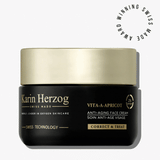
The medical-grade oxygen in Karin Herzog’s formulas, like our celebrated Vita-A-Kombi cream, works in a unique way. It’s delivered beneath the skin’s surface, where it gets to work neutralising bacteria, dialing down inflammation, and energising cellular renewal from within. This process naturally boosts your skin’s own collagen production and healing capabilities.
The result? You get visible anti-ageing benefits—like smoother texture and fewer fine lines—without the redness, peeling, and irritation often associated with other potent actives. It's the ideal solution for targeting concerns like fine lines and dullness while actively calming your complexion at the same time.
How to Build Your Gentle Morning Skincare Routine
Your morning skincare routine isn't just about waking your skin up. For those of us with sensitive skin, it’s about building a protective shield to defend against the day's environmental onslaught. The goal here is a simple yet powerful routine that calms, hydrates, and protects without ever feeling heavy or overwhelming your skin barrier. Think less-is-more, where every single step has a clear, deliberate purpose.
A gentle morning ritual is all about fortifying your skin. You’re essentially preparing it to face the UV rays, pollution, and daily stressors that can so easily trigger that familiar redness and irritation. The key is to keep it beautifully simple and consistent, using soothing ingredients that bolster your skin’s natural defences.
Start With a Minimalist Cleanse
The first rule of a sensitive skin morning is to avoid stripping away all the good work your skin did overnight. In fact, many people find they don't even need a full, traditional cleanse.
- Water Rinse Only: For a lot of people with reactive skin, a simple splash of cool or lukewarm water is perfect. It’s just enough to refresh your face without disrupting the delicate lipid barrier your skin worked so hard to rebuild while you slept.
- Gentle Cleanser: If your skin feels a little oily or you just prefer that properly cleansed feeling, reach for a non-foaming, pH-balanced, cream-based cleanser. You want to avoid anything with harsh sulphates that leaves your skin feeling tight or ‘squeaky clean’—that’s a major red flag for a compromised barrier.
This first, simple step sets a calm, hydrated foundation for everything that follows. It ensures you start the day respecting your skin, not attacking it.
Layer Hydration and Protection
With your skin prepped and calm, the next moves are all about layering in hydration and antioxidant protection. This is where you can strategically add products that deliver real, visible benefits without causing irritation, creating a plump and comfortable base for the day.
- Calming Serum: On a slightly damp face, press in an antioxidant-rich serum. Look for calming heroes like Niacinamide to soothe redness or gentle Vitamin C derivatives specifically formulated for sensitivity. This step is your secret weapon for neutralising free radical damage from pollution and UV exposure.
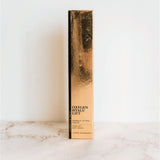
- Soothing Moisturiser: Now, lock all that goodness in with a moisturiser packed with barrier-loving ingredients like ceramides, glycerin, or hyaluronic acid. For an intense, non-irritating boost, a product like Karin Herzog’s Oxygen Hyalu’Lift is a game-changer. It delivers stabilised oxygen and hyaluronic acid to deeply hydrate and plump the skin from within, creating a smooth, radiant canvas.
- Crucial Sunscreen: This is the non-negotiable final step of any morning routine. Choose a broad-spectrum, mineral-based sunscreen with an SPF of 30 or higher. Formulas with zinc oxide or titanium dioxide are generally much better tolerated by sensitive skin than their chemical counterparts.
This little map is a great way to quickly see which ingredients will be your skin's best friends, and which ones you're better off avoiding.

As you can see, focusing on ingredients that hydrate and repair your skin barrier is always the safest path to a calm, happy complexion.
Simplify and Customise Your Routine
Remember, a skincare routine for sensitive skin should always be adaptable to your needs. If you're wondering about adding other steps, like toners, it’s important to understand what they actually do. You can check out our guide on how to use a skin toner to see if it’s a worthwhile addition for you.
For busy professionals looking for luxury anti-ageing solutions that won’t cause a flare-up, curated routines are key. Karin Herzog's bundles, for instance, simplify things with gentle AHA treatments that refine texture and boost collagen, all delivered in cruelty-free and paraben-free formulas that align with what savvy Australian customers demand.
Ultimately, the best morning routine is the one that leaves your skin feeling calm, hydrated, and protected. It’s not about having the most steps, but the right steps.
Creating Your Restorative Evening Skincare Routine

While your morning routine is all about defence, your evening ritual is your skin’s golden hour for repair and regeneration. As you sleep, your skin switches gears, entering a natural healing cycle that makes it the perfect time to wash away the day's grime and deliver restorative ingredients. This is your chance to go a little deeper, targeting concerns like ageing and dullness in a calm, controlled environment.
A great nighttime routine for sensitive skin isn't complicated. It’s all about cleansing thoroughly without stripping, applying a powerful yet gentle treatment, and then sealing everything in with a nourishing cream to support that critical overnight repair process.
Step 1: Start with a Gentle Double Cleanse
After a long day, your skin is coated in a film of sunscreen, makeup, pollutants, and your own natural oils. A single cleanse just can't cut through it all, and leftover residue is a fast track to clogged pores and irritation. A double cleanse is the perfect solution, ensuring your skin is beautifully prepped for the treatments that follow.
- First Cleanse (Oil-Based): Start with a cleansing oil or a rich, creamy cleanser. Massage it onto dry skin to dissolve and lift away stubborn SPF, makeup, and surface debris without any harsh rubbing. This step is incredibly gentle and respects your skin’s delicate barrier.
- Second Cleanse (Water-Based): Follow up with your gentle, pH-balanced, non-foaming cream cleanser. This second step washes away any lingering residue from the first cleanse, leaving your skin feeling soft, clean, and comfortable—never tight or squeaky.
Step 2: Apply a Targeted Treatment
With your skin now a perfectly clean canvas, it’s primed to absorb active ingredients far more effectively. Nighttime is the best time to bring in anti-ageing treatments, as your skin isn't being exposed to UV light. The real challenge for sensitive skin has always been finding actives that deliver results without triggering redness and peeling.
This is where traditional choices, like high-strength retinoids, can be a problem. Thankfully, there are brilliant alternatives that work wonders without the reaction.
For those with sensitive skin, the goal isn't to shock the skin into submission with aggressive actives. It's to energise its own natural repair functions. Gentle consistency is always more effective than harsh intensity.
A product like Karin Herzog's Vita-A-Kombi cream is a perfect example of a smart, gentle anti-ageing treatment. It uses a unique blend of stabilised oxygen with Vitamins A and E. The oxygen boosts cellular metabolism, energising your skin to produce its own collagen and elastin more efficiently.
This process helps refine texture and soften fine lines from within, offering powerful rejuvenation without the irritation often linked to conventional anti-ageing ingredients. It’s a targeted treatment that works with your skin’s natural cycle, not against it.
Step 3: Seal It In with a Nourishing Night Cream
The final, crucial step is to lock in your treatment and provide lasting hydration throughout the night. A good night cream for sensitive skin should be rich in barrier-supporting ingredients like ceramides, shea butter, and peptides.
Apply a generous layer of your chosen moisturiser to your face and neck, and don't forget the delicate eye area. A specialised formula is often needed here, and you can explore more about why a gentle eye cream for sensitive skin is a skincare must-have in our dedicated guide. This final layer acts as a protective blanket, preventing moisture loss and allowing the active ingredients from your treatment step to work undisturbed.
If you used an all-in-one treatment cream like Vita-A-Kombi, you may not even need an additional moisturiser. Simply listen to your skin—if it feels comfortable and hydrated, you're all set. If it craves a little more moisture, an extra layer is a great idea. You'll wake up to a calmer, plumper, and more resilient complexion.
Expert Tips for Managing Sensitive Skin in Australia
Living in Australia with sensitive skin is a unique challenge. It’s not just about finding a good moisturiser; it’s about having a smart strategy to deal with our intense climate. The constant dance between scorching UV rays, dry inland heat, and sticky coastal humidity can send reactive skin into a tailspin.
And it’s not just you feeling it. The demand for sensitive skincare in Australia is soaring, expected to jump from USD 545.72 million in 2024 to an incredible USD 1,089.49 million by 2033. This boom is driven by our sun-drenched lifestyle and a growing desire for premium skincare that actually works.
This isn’t just a trend; it’s a clear call for gentle, effective solutions built for our environment.
Master the Art of Sun Protection
For anyone with sensitive skin down under, sunscreen isn’t an afterthought—it’s the most critical step in your routine. But finding one that doesn't sting, burn, or cause breakouts can feel like an impossible task. The secret is to know your filters.
- Go Mineral: Your skin will thank you for choosing physical (mineral) sunscreens. Look for Zinc Oxide and Titanium Dioxide on the label. These minerals create a physical shield on the skin's surface to reflect UV rays, making them far less likely to cause a reaction compared to chemical sunscreens, which absorb UV and can generate heat.
- Reapply Gently: We all know we need to reapply, but rubbing more cream on already sensitised skin is a recipe for redness. Look for mineral-based sunscreen powders or non-aerosol mists. These can be gently patted or sprayed on, even over makeup, without causing friction.
- Think Beyond the Bottle: Sun protection is a lifestyle. Make it a habit to seek shade during peak UV hours (usually 10 am to 3 pm), wear a wide-brimmed hat, and invest in some quality UV-protective clothing. Give your skin every break you can.
Become a Savvy Local Shopper
Australian beauty aisles are a minefield of marketing claims. Words like ‘clean’, ‘hypoallergenic’, and ‘dermatologist-tested’ sound reassuring, but they aren't regulated terms and offer no real guarantee of gentleness. To find the best skincare for sensitive skin, you need to learn to look past the pretty packaging.
Focus on the ingredient list, not the front of the bottle. A short, understandable list featuring calming ingredients like ceramides, niacinamide, and hyaluronic acid is always a safer bet than a long, complex formula, no matter what claims are made.
This is where trusting a brand with a legacy of gentle, science-backed formulas makes all the difference. Karin Herzog’s Swiss-developed products offer a reliable, calming solution for Australians fed up with reactive skin. With Australia-wide shipping, you can access decades of research in stabilised oxygen technology, specifically designed to soothe, heal, and rejuvenate without irritation.
And remember, a truly holistic approach goes beyond your face cream. What you wear matters, too. For more on this, check out this fantastic guide to the best fabrics for sensitive skin to make sure your clothing is working with you, not against you. By combining smart product choices with thoughtful lifestyle habits, you can finally build a complexion that feels strong and resilient.
Troubleshooting Common Sensitive Skin Problems
Even with the most beautifully curated routine, sensitive skin can sometimes have a mind of its own. A new product, a stressful week, or even just a change in the weather can be all it takes to throw your complexion off balance. But when redness or irritation strikes, there's no need to panic. Having a clear action plan is the key to calming your skin quickly and confidently.
Managing sensitive skin is less about a perfect, rigid set of rules and more about learning to listen and respond to its needs. Think of it as building a first-aid kit for your complexion. These simple troubleshooting strategies will help you not only avoid reactions but also manage them like a pro when they do happen, so you always feel in control.
The Art of the Patch Test
Before you introduce any new product to your face, the patch test is your essential safety check. It’s a bit like testing a small paint swatch on a wall before committing to painting the whole room—it can save you from a potential disaster. Performing one is simple, but it’s a crucial habit for anyone with reactive skin.
To do it right, apply a small amount of the new product to a discreet spot where a reaction won't be too visible. The skin behind your ear or on the side of your neck are perfect choices.
Leave the product on for at least 24-48 hours, watching for any signs of trouble. If it’s a cleanser, use it on that small spot and rinse as you normally would, but keep an eye on the area for the next day or two. If you see any redness, itching, stinging, or tiny bumps, that product isn't for you. If the spot stays calm and clear, you can feel much more confident about using it on your face.
A patch test is your skin's first conversation with a new product. Listening to that initial feedback is how you prevent a full-blown inflammatory reaction and keep your skin barrier happy.
Your Skin’s SOS Flare-Up Routine
When your skin suddenly turns red, angry, and inflamed, the absolute best thing you can do is pull back. Don't try to fix the problem by throwing more products at it. Instead, switch to a simple ‘SOS routine’ to give your skin the space and time it needs to heal. This means stripping your regimen back to the bare essentials until the irritation has completely settled.
Your emergency calming plan needs only two things:
- A Gentle Cleanse: Use a plain, creamy, non-foaming cleanser or even just a splash of cool water. The goal is simply to refresh the skin without causing any more disruption.
- A Basic Moisturiser: Follow up with a simple, fragrance-free moisturiser packed with barrier-loving ingredients like ceramides or glycerin. This will help soothe the skin and lock in hydration while it gets on with repairing itself.
Put all your active ingredients—retinoids, exfoliants, potent serums—to one side until your skin is back to normal. This might take a few days or even a week, so be patient. This minimalist phase isn’t a step backwards; it's a strategic retreat that allows your skin’s natural healing processes to take over. It’s the ultimate proof that for sensitive skin, slow and gentle always wins the race.
Frequently Asked Questions About Sensitive Skincare
Stepping into the world of sensitive skincare can feel overwhelming. With so much conflicting advice out there, it’s easy to feel unsure about what your reactive skin actually needs. We get it. That's why we’ve put together clear, straightforward answers to the questions we hear most often, helping you feel confident and in control of your journey to a calmer complexion.
We're going to tackle the big ones head-on, from finding anti-ageing solutions that won’t cause a flare-up to figuring out what "natural" skincare really means for easily irritated skin.
Can I Still Use Anti-Ageing Products?
Absolutely. There's a common myth that you have to choose between anti-ageing results and keeping your sensitive skin happy, but that’s simply not true. It’s all about being selective with your ingredients.
Instead of reaching for aggressive, high-strength retinoids that can leave skin red and raw, look for gentler alternatives that support collagen production and cellular renewal without the irritation. Ingredients like peptides, low-concentration Vitamin A, or stabilised oxygen are fantastic choices.
The medical-grade oxygen in Karin Herzog's Vita-A-Kombi creams is a perfect example. It works by energising skin cells to boost their own natural regenerative functions, delivering visible anti-ageing results without the typical discomfort, redness, or peeling associated with stronger actives.
Is Natural or Organic Always a Safer Choice?
Not necessarily, and this is a big one. While the idea of 'natural' sounds lovely, many botanicals and essential oils are actually potent allergens. Things like lavender, citrus, and mint oils—while 100% natural—are well-known for causing reactions in a lot of people.
On the other hand, some of the safest and most effective ingredients are actually created in a lab. Think of Hyaluronic Acid or Ceramides. They are often bio-identical, meaning their molecular structure is a mirror image of what your skin already produces. This makes them incredibly well-tolerated and beneficial. Your focus should always be on proven, gentle formulas from brands you trust, not just on whether an ingredient grew in the ground. And always, always patch test.
How Long Until I See a Real Difference?
Patience is probably the most important (and difficult!) part of any new skincare routine, especially when your skin is sensitive. You might notice an immediate feeling of relief and hydration within just a few days of switching to a gentle new regimen.
However, for the deep-down, lasting changes—like a stronger skin barrier, less redness, and better resilience—you need to give it time. We’re talking at least 4-6 weeks. This is how long it takes for your skin to go through a full renewal cycle, which is when the real benefits of your new routine will start to shine through. Just be sure to introduce new products one by one, so you know exactly what’s working for you.
What if My Skin Is Sensitive and Acne-Prone?
This is such a common and frustrating combination, and it needs a very careful, balanced approach. The biggest mistake people make is blasting their skin with harsh, drying acne treatments. This just strips the skin's barrier, making both the sensitivity and the breakouts worse in the long run.
Your goal is to treat the breakouts while keeping your skin calm, hydrated, and supported. Focus on ingredients that are both gentle and effective.
- Gentle Exfoliants: Instead of harsh scrubs, try milder exfoliants like PHAs (Polyhydroxy Acids) or enzyme peels that gently lift away dead skin cells.
- Calming Clarifiers: Look for ingredients that can reduce inflammation while also clearing out pores.
The stabilised oxygen in Karin Herzog's Essential Mask is exceptional for this. It gets deep into the pore to neutralise acne-causing bacteria and calm inflammation, all without stripping the skin of its essential moisture. This way, you’re tackling the blemishes without compromising your skin's delicate barrier.
Ready to discover a routine that calms, repairs, and rejuvenates your sensitive skin? Explore the gentle, science-backed oxygen formulas from Karin Herzog and build a regimen that delivers visible results without irritation. Visit karinherzog.com.au to find your perfect match.