
A glycolic acid lotion is a powerful tool in your skincare arsenal, designed to chemically exfoliate the skin. It works by gently dissolving the glue that holds dead skin cells to the surface, revealing a brighter, smoother complexion underneath. Think of it as an expert renovator for your skin.
What Is Glycolic Acid and Why Your Skin Loves It

Imagine a tiny, masterful key designed just for your skin. This key doesn’t open a door, but instead unlocks a more radiant version of you. That’s the best way to think about glycolic acid, the star of any high-performance glycolic acid lotion.
What makes it so special? It boasts the smallest molecular size of all the alpha-hydroxy acids (AHAs). This allows it to penetrate deeper and more effectively than other acids. Once there, it gets to work dissolving the intercellular ‘glue’—known in the medical world as desmosomes—that binds old, dull skin cells together.
This process of chemical exfoliation is far more uniform and gentle than abrasive physical scrubs, which can cause micro-tears and irritation. It’s a sophisticated method for revealing the fresh, vibrant skin hiding just beneath the surface.
This renewal process directly tackles several common skin concerns that might feel all too familiar.
A Solution for Common Skin Concerns
When used regularly, a glycolic acid lotion can help manage a range of issues, making it a versatile workhorse in any modern skincare routine. Its ability to sweep away cellular debris and encourage turnover leads to visible improvements in:
- Dullness and Lack of Radiance: By sloughing off the top layer of lifeless cells, it instantly helps restore a brighter, more luminous glow.
- Uneven Skin Texture: The exfoliating action smooths rough patches and refines the skin's surface, leaving it feeling softer and more polished.
- Early Signs of Ageing: It helps soften the appearance of fine lines and supports a firmer, more youthful-looking complexion over time.
Its effectiveness has made it a cornerstone of modern skincare routines in Australia. An industry survey back in the early 2000s found 180 cosmetic products containing glycolic acid on the market, with about two-thirds imported and the rest formulated right here. To ensure safety, the Therapeutic Goods Administration (TGA) mandates that over-the-counter lotions maintain a pH above 3.5 to prevent burns—a critical safeguard in a country where 2 in 3 people will develop skin cancer.
While glycolic acid is a powerful ally, exploring different treatments can further enhance your complexion. You might incorporate a natural matcha tea face mask into your weekly ritual. And if you want to understand how different compounds work together, you can learn more about the role of active ingredients in skincare.
The Science of Glowing Skin: How Glycolic Acid Works

To really get why a good glycolic acid lotion is so transformative, you have to understand what’s happening just beneath the surface. The magic behind that post-glycolic glow isn't just a surface-level polish; it's a clever biological process that starts in your skin's outermost layer, the stratum corneum.
Think of your skin's surface like a beautiful, but ageing, brick wall. Your skin cells are the "bricks," and they’re all stuck together by a lipid-and-protein "mortar." In healthy, youthful skin, old, tired cells naturally fall away. But things like sun damage, the passing years, and even dry air can make that mortar extra stubborn, leaving a build-up of dull, rough cells that steal your skin’s luminosity.
This is where glycolic acid comes in. As the smallest of the alpha-hydroxy acids (AHAs), its tiny molecular size is its superpower. It can easily slip between the "bricks" and get to work dissolving the "mortar"—those little bonds holding the dead, stubborn cells hostage.
The Beautiful Chain Reaction of Renewal
Once those bonds loosen, that top layer of lifeless cells is gently swept away. But this isn't the end of the story; it's the beginning of a beautiful chain reaction that goes so much deeper than simple exfoliation.
Removing that dull barrier sends a wake-up call to the layers below. Essentially, your skin gets the message: "Hey, the top layer is gone—time to build a fresh one!" This kicks your skin's natural renewal cycle into a higher gear, bringing fresh, plump, healthy cells to the surface far more quickly than they’d get there on their own.
This isn't just about getting rid of the old. It’s about actively encouraging the new. By accelerating your skin’s regeneration cycle, a glycolic acid lotion helps your skin behave more like its younger self, leading to a consistently brighter and smoother complexion.
Unpacking the Key Benefits of Glycolic Acid
This one elegant action—dissolving the "glue" between cells—is the reason a well-formulated glycolic acid lotion can tackle so many different skin concerns at once.
-
Creates a Smoother, More Polished Texture: By clearing away that rough, flaky build-up, glycolic acid leaves the surface feeling incredibly soft and refined. Makeup glides on flawlessly, and your skin takes on a velvety feel.
-
Visibly Softens Fine Lines and Wrinkles: The exfoliation instantly helps to level out the skin's surface, making shallow lines look less prominent. But more importantly, consistent use has been shown to stimulate the production of your skin's own natural support structures.
-
Helps Fade Hyperpigmentation and Dark Spots: Annoying dark spots from sun damage or old breakouts are often concentrated in the skin's upper layers. By speeding up cell turnover, glycolic acid helps you shed those pigmented cells much faster, revealing a more unified, even skin tone over time.
-
Clears Pores and Reduces Breakouts: For anyone with acne-prone skin, glycolic acid is a game-changer. It doesn’t just exfoliate the surface; it gets down inside the pore lining to help clear out the gunk—that mix of dead skin and sebum that leads to blackheads and pimples.
Boosting Collagen for Firmer Skin
Perhaps the most profound long-term benefit of a glycolic acid lotion is its effect on collagen—the very protein that gives your skin its bounce and firmness. The "controlled injury" from the chemical exfoliation signals a healing response in the dermis, your skin's deeper layer.
This healing response involves creating brand-new collagen fibres. Think of it as a personal trainer for your skin, pushing it to build back stronger. It's a gradual reward for your dedication, but over several months of consistent use, this process helps to increase skin density, making it feel firmer and more resilient.
This collagen-boosting effect is the cornerstone of its anti-ageing power. While you’ll see that surface-level smoothness pretty quickly, the improvement in firmness is what turns a simple exfoliating lotion into a true investment in your skin's future health and structure.
How to Choose the Right Glycolic Acid Lotion
Stepping into the world of chemical exfoliants can feel a little intimidating, especially with so many glycolic acid lotions on the shelf. Choosing the right product isn’t about grabbing the strongest one and hoping for the best; it’s about finding the perfect match for your skin’s unique needs and tolerance.
Getting this right from the start is the secret to preventing irritation and achieving that coveted, radiant success. To make a smart choice, you need to look beyond the marketing claims on the front of the bottle and become a bit of a label detective. Three things are absolutely crucial: the concentration of glycolic acid, the product's pH level, and the supporting ingredients that work alongside it.
Decode the Concentration
The percentage of glycolic acid in a lotion is a direct indicator of its strength—and its potential for both results and irritation. It’s essential to start with a concentration that suits your skin’s experience level with acids.
Thinking about which strength is right for you? This table breaks down the common percentages and what they're best used for, helping you find your perfect starting point.
Your Glycolic Acid Concentration Guide
| Concentration | Ideal For | Primary Benefit |
|---|---|---|
| Under 5% | First-time AHA users, sensitive skin, or daily maintenance. | Gentle, consistent exfoliation to boost radiance and smooth texture without risk of irritation. |
| 5% to 10% | Most skin types (normal, combo, oily) with some AHA experience. | The "sweet spot" for tackling uneven tone, texture, and mild breakouts with visible results. |
| Over 10% | Experienced AHA users with resilient, non-sensitive skin. | Powerful action against stubborn sun damage, deeper lines, and significant texture issues. |
As you can see, more isn't always better. Starting low and slow allows your skin to adapt, building a foundation for consistent, long-term improvement without the drama of redness and sensitivity.
Understand the Importance of pH
While concentration tells you how much acid is in the bottle, the pH level tells you how effective that acid will actually be. Glycolic acid performs best in a low-pH environment, typically between 3 and 4. If the pH is too high, the acid becomes neutralised and far less effective as an exfoliant.
A lotion with 10% glycolic acid at a pH of 5.5 will be far less potent than a 5% lotion at a pH of 3.5. This is why a brand's formulation science is just as important as the percentage listed on the label.
This is where formulation truly matters. Reputable brands invest in the science to stabilise their products at an optimal pH, ensuring there is enough "free acid" available to work its magic on your skin and deliver real, visible results.
Look for Supportive Ingredients
A great glycolic acid lotion is a team effort. The very best formulas include a thoughtful cast of supporting ingredients that buffer, hydrate, and soothe the skin, creating a balanced and comfortable experience. Without them, even a lower-concentration acid could feel harsh. If you're curious about how different acids stack up, our guide on salicylic acid versus glycolic acid offers more helpful insights.
Here are a few star players to look for on the ingredient list:
- Humectants (e.g., Hyaluronic Acid, Glycerin): These ingredients are like magnets for moisture, drawing hydration into the skin to counteract any potential dryness from exfoliation. They are key to keeping skin feeling plump and happy.
- Antioxidants (e.g., Vitamin C, Vitamin E, Green Tea): Exfoliation reveals fresh new skin cells that can be more vulnerable to environmental damage. Antioxidants step in to protect this new skin, enhancing your overall glow.
- Soothing Agents (e.g., Aloe Vera, Chamomile, Allantoin): These botanicals and compounds are your skin’s best friends. They work to calm the skin, reduce redness, and minimise any chance of irritation, making them crucial for anyone with sensitive or reactive skin.
By paying attention to these three pillars—concentration, pH, and supporting ingredients—you can confidently choose a glycolic acid lotion that is perfectly suited to help you achieve your skin goals safely and effectively.
Your Step-by-Step Guide to Using Glycolic Acid Safely
So, you’re ready to introduce a glycolic acid lotion into your routine and unlock that incredible glow everyone talks about. That's fantastic. But the secret to getting those brilliant results without any of the drama—like irritation or sensitivity—is all about having a smart, safety-first plan.
By following a clear roadmap, you can build your skin’s tolerance and achieve a radiant complexion with total confidence. We'll walk you through the essential steps, from the absolute non-negotiables to perfecting your nightly application.
Step 1: Start with a Patch Test
This is the most important first step before bringing any new active ingredient into your life. A patch test is a simple precaution that gives you a preview of how your individual skin will react to a new formulation. It takes just a minute to do and can save you days of dealing with irritation.
Simply apply a small amount of the glycolic acid lotion to a discreet patch of skin, like behind your ear or on the inside of your arm. Leave it for 24 to 48 hours. If you don’t see any significant redness, itching, or signs of a reaction, you’re clear to move on to your face.
Step 2: Begin Slowly and Mindfully
When it comes to chemical exfoliants, the mantra is "less is more," especially at the beginning. The key to success is building your skin’s tolerance by starting slow. We recommend applying your glycolic acid lotion just one or two times per week to start.
This gradual approach allows your skin to acclimatise to the acid's effects, which dramatically reduces the risk of overwhelming it. Pay close attention to how your skin looks and feels the next morning. Is it calm, smooth, and glowing? Or does it feel a little tight or sensitised? Your skin will always give you the signals you need to either proceed or pull back.
Think of it like starting a new fitness program. You wouldn't attempt a marathon on day one. You start with short jogs, allowing your muscles to adapt and grow stronger over time. The same principle applies to your skin.
This simple chart shows the journey from a beginner to a more advanced user, highlighting how to progress safely.

As you can see, it’s a measured process. You want to ensure your skin is completely comfortable at each stage before you think about increasing the frequency or strength.
Step 3: Perfect Your Application Technique
How you apply your lotion is just as important as how often you use it. To get the best results while keeping your skin barrier happy and intact, follow this method:
- Apply at Night: Glycolic acid makes your skin more sensitive to the sun, so it should always be a part of your evening routine.
- Use on Clean, Dry Skin: After cleansing, gently pat your skin completely dry. Applying acids to damp skin can increase penetration and lead to unnecessary irritation.
- Apply a Thin, Even Layer: A little goes a long way. You only need a pea-sized amount for your entire face. Gently smooth it on, making sure to avoid the delicate eye area, your lips, and the corners of your nose.
- Follow with a Moisturiser: Let the glycolic acid lotion absorb for a few minutes. Then, follow up with a simple, soothing moisturiser to hydrate your skin and support its protective barrier.
Step 4: Make Sunscreen Your Best Friend
This is the golden rule of using any AHA, and it’s non-negotiable: you must wear a broad-spectrum sunscreen with SPF 30 or higher every single day.
Glycolic acid works by gently removing old, dull cells to reveal the fresh, new skin underneath. But this new skin is more vulnerable to UV damage. If you skip sunscreen, you not only cancel out all the benefits of your exfoliation but you actually risk more sun damage and hyperpigmentation. Think of sunscreen as the final, essential step that locks in your results and protects your investment.
For those interested in more intensive treatments, learning about options like a professional glycolic acid peel can provide even more context on just how crucial sun protection is after any kind of exfoliation.
The Karin Herzog Difference: Gentle Exfoliation Meets Oxygen Power

While most glycolic acid lotions are a one-trick pony focused on stripping away old skin, the Karin Herzog philosophy is far more sophisticated. We move beyond simply removing old cells and instead create a dynamic partnership within the skin, built on a unique synergy that delivers effective renewal with exceptional gentleness.
Think of it as a perfectly coordinated ‘push-pull’ system. The ‘push’ comes from a gentle blend of AHAs, including glycolic acid, which works to loosen and lift away the dull, lifeless cells from the skin's surface. At the very same time, our patented stabilised oxygen technology provides the ‘pull’.
This infusion of oxygen works from below, energising the new skin cells, boosting their metabolism, and promoting a healthy, vibrant renewal cycle. It’s this combination that sets our approach apart, delivering the glow you want without the harshness often associated with higher-strength acids.
A Smart Synergy for Sensitive Skin
This intelligent formulation is a total game-changer, especially for anyone who’s found traditional glycolic lotions too aggressive. By pairing a milder acid concentration with the calming and healing properties of active oxygen, the skin gets all the benefits of exfoliation without being pushed into a state of stress or irritation.
The oxygen acts as a natural buffer, soothing the skin during the exfoliation process. This makes the experience comfortable even for more delicate skin types.
- Sensitive Skin: It dramatically reduces the risk of redness and reactivity commonly linked to chemical exfoliants.
- Mature Skin: It supports cell energy and collagen synthesis—which slows with age—while gently refining texture.
- Acne-Prone Skin: The oxygen provides a powerful anti-bacterial effect that helps clarify pores, beautifully complementing the acid's exfoliating action.
This method proves that achieving a brighter, smoother complexion doesn't require overwhelming the skin. Instead, it’s about creating the ideal biological conditions for the skin to renew itself efficiently and peacefully.
This approach is incredibly relevant in the Australian market, where science-backed skincare is in high demand. The medical and dermatological sectors claim over 60% of revenue in the local medical glycolic acid market. In a country where 80% of the population reports sun-induced skin damage, studies have found that low-dose lotions (under 8%) can reduce acne by up to 40% while minimising downtime. This aligns perfectly with the Herzog ethos of creating powerful, yet gentle, formulas. You can explore more about these market trends and their findings from detailed industry reports.
How Our AHA Cream Delivers Visible Results
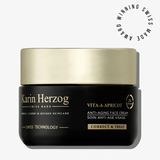
Products like the Karin Herzog AHA Cream are the perfect embodiment of this philosophy. This cream isn’t just another glycolic acid lotion; it’s a complete skin-revitalising treatment designed for powerful overnight renewal.
By combining fruit acids with our core oxygen technology, it works to refine pores, soften texture, and brighten skin tone while you sleep. The formula is carefully balanced to ensure the acids exfoliate effectively while the oxygen simultaneously calms, hydrates, and energises the skin. This completely sidesteps the potential for dryness or irritation, allowing you to wake up to a visibly refreshed and luminous complexion.
This dual-action approach offers a complete solution. It doesn’t just focus on the 'what' (exfoliation) but also the 'how' (supporting the skin’s recovery and energy). It’s how we deliver clear anti-ageing and clarifying benefits through a smart, science-backed formulation that respects your skin's natural balance. For anyone seeking the impressive results of glycolic acid without compromising on comfort, this is the ideal choice.
Common Questions About Glycolic Acid Lotion
When you're ready to add a new active like glycolic acid to your routine, a few questions are bound to pop up. It’s completely normal. Getting clear, honest answers is the key to using it confidently and achieving that beautiful, radiant skin you're after.
Let's walk through some of the most common queries we hear from our clients, giving you the expert insights you need to make your glycolic acid lotion a success.
Can I Use Glycolic Acid with Retinol or Vitamin C?
Yes, you can—but it’s all about smart scheduling. Think of these powerful ingredients as strong personalities that work best when they aren’t competing for the spotlight at the same time. The golden rule is to never use glycolic acid and retinol on the same night. This pairing is simply too much for most skin types and can easily lead to over-exfoliation, redness, and a damaged skin barrier.
A much safer and more effective approach is to alternate them. For instance:
- Monday Night: Glycolic Acid Lotion
- Tuesday Night: Retinol
- Wednesday Night: A rest night with only a simple, hydrating moisturiser
So, where does Vitamin C fit in? Perfectly, as it happens. Vitamin C is an antioxidant, and its main role is to protect your skin from daily environmental stressors like pollution and UV rays. This makes it a natural fit for your morning routine. Your glycolic acid remains a nighttime-only treatment, allowing each ingredient to perform its job without getting in the other's way.
How Long Until I See Results from Glycolic Acid?
When it comes to glycolic acid, patience and consistency are your two best friends. You'll likely notice some immediate benefits—your skin might feel smoother and look a little brighter within the first one to two weeks. But the truly transformative changes take a bit more time to reveal themselves.
For more significant improvements, like the fading of dark spots and a softening of fine lines, you’ll want to commit to at least 4 to 8 weeks of consistent use.
This is because the most impressive results, such as stimulated collagen and major textural refinement, are gradual processes happening deep within the skin. Stick with your routine and never, ever skip your daily sunscreen—that’s how you’ll see incredible, lasting results.
What If My Skin Gets Irritated After Using It?
It's crucial to know the difference between a mild, brief tingle—which can be a normal part of the adjustment period—and genuine irritation. If you're experiencing lasting redness, stinging, peeling, or any real discomfort, your skin is sending you a very clear signal: it’s time to take a break.
Your first step is to stop using the glycolic acid immediately. Strip your skincare routine back to the bare essentials:
- A gentle, soap-free cleanser.
- A simple, soothing moisturiser designed for barrier repair.
- Your daily sunscreen.
Stay away from all other active ingredients (yes, that includes vitamin C and retinol) until your skin feels completely calm and back to normal, which could take a few days. If you need a little more direction, our guide on how to repair a damaged skin barrier is a great resource. Once your skin has recovered, you can try reintroducing the lotion just once a week or consider a formula with a lower glycolic acid concentration.
Is Glycolic Acid Good for Acne-Prone Skin?
Absolutely. In fact, glycolic acid can be a game-changer for anyone struggling with breakouts. Thanks to its tiny molecular size, it’s brilliant at exfoliating not just the surface of the skin, but also deep inside the pore lining. This action helps to dislodge the mix of dead skin cells and oil that leads to congestion, blackheads, and pimples.
It’s also fantastic for tackling the aftermath of a breakout—those stubborn dark marks known as post-inflammatory hyperpigmentation. By speeding up cell turnover, glycolic acid helps your skin shed those pigmented cells faster, paving the way for a clearer, more even-toned complexion. If this sounds like you, start with a low-concentration lotion in a lightweight, non-comedogenic formula to see how your skin responds before you build up the frequency.
While daily topicals are foundational, some people explore professional treatments to tackle more stubborn concerns like acne scars or deep textural issues. For those looking into more advanced options, procedures like Microneedling With PRP & PDGF are often considered for intensive skin rejuvenation.
Experience the Karin Herzog difference, where we pair gentle fruit acids with our patented oxygen technology. This unique synergy delivers all the brightening and smoothing benefits of a traditional glycolic acid lotion, but without the typical harshness. It’s the perfect way to achieve a comfortable, radiant complexion. Discover the Swiss secret to glowing skin today.