
Torn between salicylic acid and glycolic acid? It's a classic skincare dilemma, but the right choice for you is likely simpler than you think. Let's cut straight to it: for oily, congested, or acne-prone skin, the oil-soluble nature of salicylic acid makes it your pore-clearing hero. But if your main battles are with dullness, fine lines, or uneven texture on dry or mature skin, the water-soluble power of glycolic acid is the clear winner for boosting radiance.

Salicylic Acid or Glycolic Acid: What is the Difference?
Deciding which acid is right for your routine starts with understanding how they work and what makes them unique. These are the two most popular chemical exfoliants out there, but they operate in fundamentally different ways to deliver very distinct results. Think of it like choosing the right tool for a specific job—one is a deep-cleaning specialist, while the other is a surface-refinishing expert.
Glycolic acid, an Alpha-Hydroxy Acid (AHA), is water-soluble. This means it works its magic on the uppermost layers of your skin, dissolving the 'glue' that holds dead, dull skin cells together. Its primary benefits are all about surface renewal:
- Boosting skin radiance and fading dullness.
- Smoothing out fine lines and rough surface texture.
- Helping to minimise the look of sun damage and hyperpigmentation.
On the other hand, salicylic acid, a Beta-Hydroxy Acid (BHA), is oil-soluble. This is its superpower. This unique property allows it to cut through sebum and exfoliate deep inside your pores, making it incredibly effective for a different set of concerns. Its main strengths are:
- Clearing out clogged pores, blackheads, and whiteheads.
- Reducing surface oiliness and managing breakout-prone skin.
- Calming the inflammation and redness that comes with acne.
The most crucial differentiator is solubility. Glycolic acid works on the water-based surface of your skin to improve glow and texture, whereas salicylic acid cuts through oil to clean pores from within.
To make the choice even clearer, let’s break down their core differences side-by-side.
Quick Comparison Salicylic Acid vs Glycolic Acid
This simple table summarises the fundamental differences between salicylic and glycolic acid, helping you quickly see which one aligns with your skin’s needs.
| Attribute | Salicylic Acid (BHA) | Glycolic Acid (AHA) |
|---|---|---|
| Solubility | Oil-Soluble | Water-Soluble |
| Primary Target | Inside the pores, oil | Skin's surface |
| Best For Skin Types | Oily, Combination, Acne-Prone | Dry, Mature, Sun-Damaged |
| Main Benefits | Decongests pores, reduces oil, calms acne | Boosts radiance, smooths texture, fades spots |
| Action | Deep pore cleansing & anti-inflammatory | Surface exfoliation & cell turnover |
With these key distinctions in mind, you’re well on your way to building a smarter, more effective skincare routine. As you build your knowledge, you might want to explore their blog for more skincare tips, which can offer some great additional perspectives on various ingredients. This foundational understanding helps you move beyond just picking an acid and toward a more personalised approach, like the kind we champion at Karin Herzog, that truly addresses all of your skin's unique needs.
How Chemical Exfoliation Renews Your Skin

Before you can choose between salicylic acid or glycolic acid, you need to understand what chemical exfoliants actually do. Forget harsh physical scrubs that can cause micro-tears and irritation. Acids like Alpha-Hydroxy Acids (AHAs) and Beta-Hydroxy Acids (BHAs) work with a quiet intelligence. They gently dissolve the ‘glue’—called desmosomes—that binds dead, dull cells to your skin's surface.
This process gives your skin’s natural renewal cycle a much-needed boost. As that top layer of old cells is swept away, the fresher, smoother, and more radiant skin hiding underneath is finally revealed. It’s a core principle of advanced skincare and fits perfectly with the Karin Herzog philosophy of enhancing cellular energy for a visibly healthier complexion.
This gentle-but-powerful approach has a huge advantage over physical scrubbing, especially if your skin is sensitive, showing signs of ageing, or stressed out by the demanding Australian climate. By clearing away that surface debris, chemical exfoliants also clear the path for better product absorption, making every other step in your routine work that much harder.
The Science of Skin Renewal
Chemical exfoliation isn't magic; it's a controlled process that enhances your skin's own shedding cycle (desquamation), which naturally slows down with age and environmental damage. Instead of buffing cells away, these acids work on a molecular level.
- AHAs (like glycolic acid): These are water-soluble, so they work their magic on the skin's surface. They are brilliant for boosting hydration, smoothing out rough texture, and tackling the visible signs of sun damage.
- BHAs (like salicylic acid): As oil-soluble molecules, BHAs have the unique talent of cutting through sebum to exfoliate deep inside your pores. This makes them specialists at clearing congestion and getting oiliness under control.
This targeted action is what makes acids so incredibly effective. For instance, using an AHA consistently can actually increase your skin's natural hydrating factors, like hyaluronic acid, leading to a plumper, more moisturised look over time. BHAs, on the other hand, offer anti-inflammatory benefits that help calm the redness that often comes with breakouts.
By dissolving the bonds between dead cells, chemical exfoliants provide a more uniform and predictable exfoliation than manual scrubs. This ensures smoother, brighter skin with a lower risk of irritation, making it a smarter choice for long-term skin health.
Professional vs At-Home Exfoliation
The acids you find in serums and toners are formulated for safe, regular use at home, usually in lower concentrations. They’re designed to deliver steady, cumulative results for everything from dullness to breakouts, fitting easily into a daily routine.
However, for a more dramatic reset or to tackle deeper issues like significant sun damage or stubborn acne scarring, dermatologists and aestheticians have stronger tools. While at-home acids are fantastic for maintenance and improvement, serious renewal often involves professional chemical peels available at medical spas. These treatments use much higher concentrations—sometimes up to 70%—to achieve profound results under expert supervision.
You can also learn more about other active ingredients in our article to build a complete routine. Understanding both at-home and professional options helps you create a well-rounded strategy for your skin.
A Deep Dive Into Glycolic Acid: The Radiance Booster
When the goal is luminous, glass-like skin, glycolic acid is a skincare superstar. As the smallest and most researched Alpha-Hydroxy Acid (AHA), it holds a special place in dermatology for its remarkable ability to restore a vibrant glow. Its tiny molecular size is its secret weapon, letting it penetrate the skin's surface more effectively than other AHAs.
This deeper reach means it gets to work on multiple levels. Not only does it sweep away dull, dead skin cells, but it also sends a signal to the deeper layers to kickstart collagen production and boost natural hydration. For anyone weighing up salicylic acid or glycolic acid, the choice often comes down to this: glycolic acid is the expert in surface renewal and radiance.
How Glycolic Acid Renews Your Complexion
At its core, glycolic acid works by dissolving the ‘glue’ holding dead cells together on the skin’s surface. Think of it as a gentle polish that reveals the fresher, smoother skin hiding underneath. This action is particularly brilliant for tackling concerns that sit right on top of the skin.
Key benefits you can expect from glycolic acid include:
- Smoothing Fine Lines: By speeding up cell turnover, it helps soften the look of fine lines and gives the skin a plumper, more youthful appearance.
- Fading Hyperpigmentation: It excels at lifting away the discoloured cells that cause sun spots and post-inflammatory marks—a major issue for many in the Australian climate.
- Boosting Radiance: Consistent use breaks down the layer of dullness that can leave a complexion looking tired, reviving it with a healthy, energised glow.
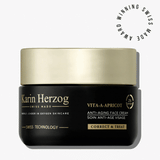
This targeted surface action makes it a perfect partner for specialised treatments. For example, in a Karin Herzog routine, glycolic acid flawlessly preps the skin. It clears the path for oxygen-infused creams like Vita-A-Kombi to penetrate more deeply and deliver their anti-ageing benefits with maximum impact.
Because it is water-soluble, glycolic acid is a master at improving skin’s texture and hydration on the surface. Its ability to stimulate collagen makes it a powerhouse for anti-ageing and achieving a consistent, luminous tone.
The widespread trust in its capabilities is backed by some serious numbers. The global demand for glycolic acid was valued at USD 680.09 million in 2024 and is projected to climb to USD 1,118.81 million by 2032. This surge is driven by its proven effectiveness in skincare, especially across the Asia-Pacific region, including Australia, where it's a go-to for refining texture and energising cell renewal. You can explore more about these industry trends in this detailed market report on glycolic acid.
Understanding Concentration and pH
It’s important to know that not all glycolic acid products are created equal. Their real-world effectiveness hinges on two critical factors: the concentration of the acid and the pH level of the formula.
Typical Concentrations:
- Low (Under 5%): Found in daily cleansers and toners, these concentrations offer gentle, consistent exfoliation and hydration support without causing significant irritation.
- Medium (5-10%): This is the sweet spot for serums and at-home treatments, like Karin Herzog’s gentle AHA creams. This range provides more noticeable results for texture, tone, and fine lines.
- High (Over 10%): Reserved for weekly peels or professional treatments, these potent formulas deliver dramatic resurfacing but demand careful use and proper post-treatment care.
The pH of the formula is just as critical. A lower pH (typically between 3 and 4) ensures the acid remains "free" and active, allowing it to do its job properly. If a product has a high pH, the acid will be neutralised and far less effective, no matter how high the concentration percentage is. This is exactly why professionally formulated products are designed to deliver optimal results safely. By preparing the skin, glycolic acid ensures that any products you apply afterwards—especially oxygen-based treatments—can perform at their absolute peak.
Unpacking Salicylic Acid: The Pore-Clearing Specialist
Now we turn to salicylic acid, the gold-standard Beta-Hydroxy Acid (BHA) for achieving clear, calm skin. Its defining characteristic, and what truly sets it apart from glycolic acid, is that it is oil-soluble. This unique property gives it an all-access pass to your pores, a place where water-soluble ingredients simply cannot go.
Imagine your pores are filled with a mixture of oil, dead skin cells, and debris. Salicylic acid acts like a smart exfoliant that can cut straight through that oily blockage. It travels deep into the pore lining to dissolve the ‘gunk’ that leads to blackheads, whiteheads, and inflamed pimples, effectively cleaning them out from the inside.
The Dual-Action BHA for Acne and Congestion
Salicylic acid isn’t just an exfoliator; it's a multi-tasking hero for troubled skin. Beyond its impressive pore-clearing abilities, it possesses powerful anti-inflammatory properties. This is a crucial benefit when dealing with breakouts, as it helps to calm the redness and swelling that often accompany blemishes.
This dual action means it works in two ways:
- Treats Existing Breakouts: By exfoliating inside the pore and reducing inflammation, it helps existing pimples heal faster and appear less angry.
- Prevents Future Breakouts: It keeps pores clear of the blockages that cause acne in the first place, helping to maintain a consistently clear complexion.
This makes it an exceptional choice for managing persistent facial congestion, minimising visible oiliness, and keeping hormonal or stress-related breakouts under control. If you're looking for more strategies to manage breakouts, you can check out our guide on the best skincare for acne-prone skin.
For anyone struggling with the eternal question of salicylic acid or glycolic acid for acne, the answer is clear. Salicylic acid's oil-solubility makes it the undisputed specialist for decongesting pores and calming inflamed skin.
This targeted effectiveness is a major reason for its popularity. In Australia, the demand for salicylic acid has grown significantly, with its introduction volume in personal care products reaching between 10,000 and 99,999 tonnes annually. The Asia-Pacific region, including Australia, commanded the highest revenue share in 2021, reflecting a strong consumer preference for its benefits. You can discover more insights about the salicylic acid market trends and its increasing presence in at-home treatments.
Gentle Yet Effective Concentrations
Another key advantage of salicylic acid is that it delivers powerful results without needing high concentrations. This is fantastic news for those with sensitive or easily irritated skin who are also prone to breakouts—a common combination.
Typical Concentrations You'll Find:
- 0.5% to 1%: This range is ideal for daily use in cleansers or toners, providing gentle yet consistent exfoliation to keep pores clear without over-drying the skin. It’s perfect for sensitive skin types or those new to acids.
- 2%: This is the most common and effective concentration found in over-the-counter serums and spot treatments. It’s the maximum strength permitted in cosmetic formulas in Australia and provides robust clog-clearing and anti-inflammatory action for more persistent acne.
Because it works so well at these lower percentages, salicylic acid is often much better tolerated than higher concentrations of some AHAs. It offers a way to effectively manage acne-prone skin with a lower risk of the irritation, redness, and peeling that can sometimes occur with stronger exfoliants. This balance of power and gentleness makes it an indispensable tool for anyone seeking a clear and healthy complexion.
How to Choose the Right Acid for Your Skin
Choosing between salicylic acid and glycolic acid isn't just a simple ‘oily versus dry’ checklist. Real skin is complex and often has several things going on at once. This decision requires a more thoughtful approach, looking at your main skin goals, your skin's tolerance, and even your lifestyle.
The fundamental difference lies in their solubility—oil-soluble versus water-soluble—and that's your starting point. But at the end of the day, the best acid for you is the one that targets your most pressing concern without creating new problems.
Analysing Your Primary Skin Concerns
First things first: what do you most want to change about your skin? Is it the stubborn blackheads on your nose, or the dull, tired look of your complexion overall? Your answer will point you toward the right active ingredient.
- If your main issue is congestion, like blackheads, whiteheads, or large pores, salicylic acid is your specialist. Its unique ability to get into the oil and clear out pores from the inside is second to none.
- If you're focused on surface renewal, like fading sun spots, smoothing fine lines, or getting back a radiant glow, glycolic acid is the more effective choice. It works on the skin's top layers to resurface and brighten.
This decision tree gives you a visual starting point for choosing an acid based on your general skin type.

As you can see, it simplifies the initial choice, guiding oily and acne-prone types toward salicylic acid while directing dry or mature skin toward glycolic acid. It's a great first step.
Navigating Complex Skin Scenarios
Of course, many of us don't fit neatly into one box. What if you have mature skin with sun damage but also get hormonal breakouts along your jawline? Or perhaps you have classic combination skin—an oily T-zone and dry cheeks?
In these more nuanced cases, you don't have to pick just one. A strategic approach might mean using both acids at different times or on different areas of your face.
Scenario 1: Mature Skin with Hormonal Acne For this combination, you could use a glycolic acid serum a few nights a week to tackle the fine lines and sun damage. On alternate nights, or just as a spot treatment, a salicylic acid product can be used to manage breakouts.
Scenario 2: Combination Skin Here, "zone treating" is your best friend. You can apply a salicylic acid toner or serum to your congested T-zone and use a gentle glycolic acid cream on your drier cheeks to boost hydration and radiance.
Your skin’s needs can change. The best approach is to listen to your skin and adjust your routine accordingly. Don't be afraid to alternate acids or use them in different areas to get the best of both worlds.
Comparing Key Performance Metrics
To make a truly informed decision, it helps to see a head-to-head comparison of how each acid performs across different metrics. This goes beyond the basic benefits and looks at how they actually behave on the skin.
This in-depth breakdown shows exactly how each acid performs across key skincare metrics, helping you pick the right one for your specific needs.
Detailed Feature Analysis: Salicylic Acid vs Glycolic Acid
| Feature | Salicylic Acid (BHA) | Glycolic Acid (AHA) |
|---|---|---|
| Pore Decongestion | Excellent. Oil-solubility lets it penetrate and dissolve blockages right inside the pore lining. | Fair. Works on the surface and pore opening but can't get deep into sebum. |
| Surface Exfoliation | Good. Offers surface exfoliation, but its main job is inside the pore. | Excellent. Its tiny molecular size makes it highly effective at sweeping away dead cells from the skin’s surface. |
| Anti-Inflammatory Action | Excellent. Chemically related to aspirin, it actively soothes the redness and irritation that comes with acne. | Minimal. Does not have significant inherent anti-inflammatory properties. |
| Collagen Stimulation | Minimal. Not its primary function; its benefits are mostly about clarity and decongestion. | Good. Proven to stimulate collagen production in the dermis, helping to firm skin and reduce fine lines over time. |
| Hydration Support | Limited. Can be drying for some skin types if not formulated with hydrating ingredients. | Good. Helps increase the skin's natural moisturising factors, improving hydration levels. |
This detailed breakdown shows why there's no single "better" acid—only a better choice for a specific job. For pore-deep cleaning and acne management, salicylic acid is the clear expert. For surface-level radiance and anti-ageing, glycolic acid leads the way.
Studies back this up. Research shows that while both glycolic and salicylic acid peels can be effective, salicylic acid often delivers sustained results with fewer side effects. Some trials have even found it has up to 30% better tolerance. This is especially relevant for us here in Australia, where high UV exposure contributes to 80% of skin ageing, making gentle yet effective treatments critical. You can learn more about the research on salicylic acid's market performance and benefits if you'd like to dive deeper.
Ultimately, choosing between salicylic and glycolic acid is about matching the right tool to your specific skin concern. It’s that simple.
How to Integrate Acids with Your Karin Herzog Routine
Bringing an exfoliating acid like glycolic or salicylic into your Karin Herzog routine can be the key to unlocking truly transformative results. It's a common misconception that you need to replace your favourite products. Instead, think of these acids as a powerful preparatory step. By clearing away the barrier of dead, dull cells, you’re essentially creating a clear pathway for Karin Herzog's stabilised oxygen to penetrate deeper and get to work.

This is where the magic really happens. Exfoliation ensures the potent active ingredients you're investing in aren't just sitting on the surface; they’re reaching the living cells that need them most. Whether you opt for salicylic acid to clarify and purify or glycolic acid for a radiant glow, the objective is the same: to supercharge the efficacy of your entire routine.
The Correct Order of Application
To achieve this beautiful synergy without tipping your skin into a state of sensitivity, the order you apply your products in is absolutely critical. Getting this wrong can not only reduce the effectiveness of your routine but can also lead to unnecessary irritation. The golden rule here is simple: apply your exfoliating acid after cleansing, but before any of your other treatment products.
Here’s what your updated evening routine should look like:
- Cleanse: Start with a gentle cleanser to thoroughly remove makeup, SPF, and any impurities from your day. Always pat your skin completely dry afterwards.
- Exfoliate: Apply your chosen acid, whether it’s a salicylic or glycolic acid toner or serum. Give it a moment to fully absorb—about 60 seconds is usually plenty.
- Oxygenate & Treat: Now it's time for your Karin Herzog oxygen cream, like the beloved Vita-A-Kombi. Your exfoliated skin is now perfectly primed for maximum oxygen and active ingredient delivery.
- Moisturise (If Needed): If your skin feels like it needs a little extra hydration, you can finish with a suitable, non-comedogenic moisturiser.
Think of your acid as the key that unlocks the door. It clears the way, allowing Karin Herzog's oxygen technology to enter and revitalise your skin from a much deeper level. This simple adjustment turns a great routine into an outstanding one.
Pairing Suggestions and Best Practices
When you're trying to decide between salicylic acid or glycolic acid, a good way to choose is to think about your main goal with your Karin Herzog routine. Are you focused on tackling signs of ageing and improving texture, or is your priority clarity and managing congestion?
For Anti-Ageing and Radiance: Pair a gentle glycolic acid product with our Vita-A-Kombi or Oxygen Hyalu’Lift creams. The glycolic acid works to smooth the skin's surface and fade discolouration, which beautifully amplifies the firming and plumping effects of these oxygen-powered creams. If you're interested in a product that does this gently, have a look at our AHA Face Cream.
For Clarity and Acne-Prone Skin: Combine a 2% salicylic acid treatment with a calming Karin Herzog product. The salicylic acid will get right into the pores to decongest them and reduce inflammation, helping to create a clearer complexion that is then perfectly balanced by the healing and regenerative power of oxygen.
No matter which acid you end up choosing, there are two non-negotiable rules to follow:
- Patch Test First: Before you apply a new acid to your entire face, always test a small amount on a discreet area (like behind your ear) for 24 hours. This is the best way to check for any adverse reactions.
- Daily Sunscreen is Essential: Acids make your skin more sensitive to the sun. Applying a broad-spectrum SPF 50+ every single morning is absolutely critical to protect your skin, especially in the strong Australian sun. This not only prevents new sun damage but also protects the fantastic results you’ve worked so hard to achieve.
Answering Your Key Questions
Stepping into the world of chemical exfoliants can feel a little confusing. Choosing between salicylic acid or glycolic acid is just the start—knowing how to use them safely is what truly matters. Here are some straightforward answers to the questions we hear most often.
Can I Use Salicylic Acid and Glycolic Acid Together?
Yes, but with a big caveat: never at the same time. Layering these two powerful acids in a single routine is a fast track to irritation and a damaged skin barrier. The smart approach is to alternate them.
For instance, you might use a glycolic acid product on a Monday night to work on surface texture and glow. Then, on Tuesday night, switch to a salicylic acid treatment to get deep into your pores and keep oiliness in check. This strategy lets you enjoy the unique benefits of each acid without overwhelming your skin.
The secret to using both acids is alternation, not layering. It’s also wise to give your skin a night off between acid applications to rest and recover, especially when you're just starting out.
What Ingredients Should I Avoid Mixing with These Acids?
Knowing what not to mix is just as important as knowing what to use. When you’re applying either salicylic or glycolic acid, it’s best to keep other strong actives out of that same routine to avoid irritation.
Be especially mindful of these ingredients:
- Retinoids (like Retinol or Tretinoin): Combining acids with retinoids is often too harsh for most skin types, leading to significant redness, peeling, and sensitivity. The safest bet is to use them on alternate nights.
- Vitamin C (specifically L-Ascorbic Acid): While some modern formulas are designed to work together, using a high-strength acid and a potent Vitamin C serum in the same sitting can be a recipe for irritation. A popular and effective method is to use Vitamin C in your morning routine and your chosen acid at night.
- Other Exfoliating Acids: It’s easy to overdo it. Avoid using multiple AHA or BHA products at the same time. Let one exfoliating product do its job in a single routine.
If you’re curious about how other types of acids fit into the picture, our guide on hyaluronic acid vs salicylic acid is a great read, as it highlights how different ingredients serve entirely different functions.
How Long Until I See Results?
Patience is a virtue in skincare. While you might feel a subtle improvement in your skin's smoothness and see a little more brightness after just a few uses, real, lasting change takes time and consistency.
With glycolic acid, you can generally expect to see a noticeable boost in radiance and a smoother texture within 2-4 weeks. For deeper concerns like stubborn hyperpigmentation or fine lines, you'll need to stick with it for 2-3 months to see significant results.
For salicylic acid, you might notice a calming effect on inflammation and fewer new breakouts within 1-2 weeks. However, because it works deep within the pores to prevent future blockages, it can take 8-12 weeks of consistent use to achieve and maintain significant clarity.
Ready to bring the power of expertly formulated acids into your skincare ritual? Discover the gentle yet transformative solutions at Karin Herzog and see the difference for yourself. Explore the collection today.