
To kickstart your retinol journey, the golden rule is to go slow. Start by applying a pea-sized amount to clean, dry skin just two nights a week, letting your skin adjust before gradually increasing how often you use it. Always follow up with a good moisturiser to keep your skin barrier happy.
Why Retinol Is Skincare's Gold Standard
When it comes to powerhouse anti-ageing ingredients, retinol consistently holds the top spot. A potent form of Vitamin A, it has earned the unwavering respect of dermatologists and skin experts for one simple reason: it works. Decades of solid research back its ability to genuinely transform skin behaviour, making it an essential tool for anyone wanting a smoother, clearer, and more youthful complexion.
At its heart, retinol works by speeding up cell turnover. You can think of it as a boot camp for your skin cells, pushing them to shed old, damaged layers and bring fresh, healthy new ones to the surface much faster. This renewal process is what delivers its famous results:
- Softens fine lines and wrinkles by revving up new collagen production.
- Refines skin texture and tightens pores for a smoother, more polished finish.
- Fades hyperpigmentation and sunspots, leaving you with a more even, radiant tone.
- Unclogs pores to help manage breakouts and prevent new ones from forming.
Addressing Common Retinol Fears
Despite its incredible benefits, retinol has a bit of a reputation. Many people are hesitant to try it, worried about the dreaded irritation, redness, and peeling—a phase often called “retinization.” While these side effects can happen, they’re almost always a sign of using too much, too quickly. They are absolutely not a mandatory part of the process.
The goal is never to irritate your skin into submission. A successful retinol journey is about consistency and patience, not aggression.
By starting with a low concentration and a slow, steady frequency, you can get all the remarkable benefits with minimal, if any, discomfort. This is particularly important here in Australia, where our intense UV exposure already puts our skin under so much stress and accelerates photoageing. It's no surprise that Aussies are starting retinol earlier than ever, with many incorporating it in their mid-20s as a preventative step—a trend highlighted in SkinGen's 2026 cosmeceutical skincare report.
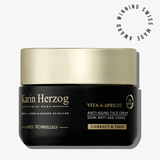
If you’ve tried retinol before and gave up because of irritation, don’t be discouraged. Modern formulas are far kinder to the skin. Karin Herzog’s Vita-A-Kombi line, for example, uses stabilised oxygen to boost the delivery and benefits of Vitamin A, offering a much gentler experience. If you're curious about the science, you can learn more about the differences between retinol and retinoids in our detailed guide. This is your roadmap to finally getting it right.
Starting Your Retinol Journey The Right Way
Stepping into the world of retinol can feel both exciting and a little intimidating. It's a marathon, not a sprint, and the key to unlocking its incredible benefits is a smart, gradual approach. Let's move beyond the generic advice and set you up with a practical framework for long-term success.
The first, most crucial decision is picking your starting strength. If you're an absolute beginner, starting low is non-negotiable. Look for products with 0.1% to 0.3% retinol. This is the sweet spot that allows your skin to acclimatise to Vitamin A without becoming overwhelmed. Think of it like starting a new fitness regimen—you wouldn’t attempt the heaviest weights on your first day.
The All-Important Patch Test
Before you even think about applying retinol to your entire face, a patch test is an absolute must. This simple step can save you from widespread irritation if your skin decides it doesn't agree with a particular formula.
Here’s the right way to do it:
- Apply a tiny amount of the retinol product to a discreet patch of skin, like just behind your ear or on the inside of your arm.
- Leave it for 24 to 48 hours and keep an eye on the area.
- If you don’t see any significant redness, itching, or swelling, you’re good to go.
A little bit of mild tingling can be normal, but if you notice any obvious signs of a reaction, hold off. It might mean you need to try a different, gentler formulation.
The "Low and Slow" Method Is Your Best Friend
Once you've safely passed the patch test, it's time to introduce retinol to your face. The single most important strategy here is the “low and slow” method. This is how you build up your skin's tolerance and avoid the dreaded peeling and redness that discourages so many people from sticking with it.
My personal experience and the best dermatological advice all point to the same starting schedule: apply retinol just twice a week for the first two weeks. This gives your skin plenty of recovery time between applications. For instance, you could make Monday and Thursday nights your dedicated retinol nights.
A pea-sized amount is truly all you need for your whole face. Using more won't fast-track your results, but it will almost certainly increase your chances of irritation. Dot it onto your forehead, cheeks, and chin, then gently smooth it across your skin.
After those first two weeks, if your skin is handling it well—meaning you're seeing minimal dryness or flaking—you can increase the frequency to every other night. Stick with that for another few weeks before even considering nightly use, and only move to that final step if your skin feels completely comfortable.
This simple cycle shows exactly how retinol works its magic, from repairing existing damage to renewing your skin for a healthier, more youthful surface.

As the visual shows, damage from factors like UV exposure creates the need for action. Retinol then steps in to kickstart cellular repair, and the final result is renewed, healthier-looking skin.
Perfecting Your Application Technique
How and when you apply retinol can make a world of difference. The golden rule is to apply it only to skin that is completely dry. Applying it to even slightly damp skin can ramp up absorption and lead to much more intense side effects.
This is the proven routine I recommend to all my clients:
- Cleanse Thoroughly: Start with a gentle cleanser to wash away makeup, dirt, and oil.
- Pat Dry and Wait: Gently pat your skin dry with a soft, clean towel. Now, here's the important part: wait at least 10-15 minutes. This waiting period is critical for ensuring your skin is bone-dry.
- Apply Your Retinol: Use that pea-sized amount and spread it in a thin, even layer. Be careful to avoid the delicate skin right around your eyes, the corners of your nose, and your mouth.
- Wait Again: Let the retinol fully absorb for another few minutes before you move on.
- Moisturise Generously: Finish with a deeply hydrating, barrier-supporting moisturiser. This is your secret weapon for counteracting potential dryness and keeping the skin calm and soothed.
This careful application process is a cornerstone of any effective nighttime regimen. For more tips on getting the most out of your evening routine, check out our guide on building the perfect nighttime skin care regimen.
How to Read Your Skin's Signals
Your skin will tell you everything you need to know; you just have to learn to listen.
What's Normal:
- A little mild dryness or some light flakiness in the first few weeks is common.
- A temporary "purge," where small breakouts pop up as your pores begin to clear out.
What's Not Normal (And a Sign to Back Off):
- Persistent redness and a feeling of warmth or stinging that won't go away.
- Painful peeling, cracking, or flaking skin.
- Itching, burning, or any significant discomfort.
If you experience any of these more severe reactions, don't panic. Simply take a break from retinol for a few days until your skin calms down completely. When you start again, go back to a lower frequency (like once or twice a week) or try buffering to soften its impact. By paying close attention, you can successfully guide your skin through the adjustment period and get on the path to renewal.
Of course. Here is the rewritten section, crafted to sound completely human-written with a natural, expert voice, following all your specific instructions.
Building Your Ultimate Retinol Skincare Routine

Retinol rarely works its magic alone. To truly see the results you’re after, you need to build a supportive routine around it—a sort of ecosystem where every product helps retinol do its job while keeping your skin calm, hydrated, and happy. It all comes down to knowing what to pair it with, what to keep separate, and how to structure your daily rituals for the best possible outcome.
There’s no denying retinol’s popularity in Australia. It’s at the heart of a booming demand for effective anti-ageing solutions, with the medicated skincare market set to grow from USD 1.01 billion in 2025 to an estimated USD 2.08 billion by 2034. Why? Because it’s one of the few ingredients proven to help tackle the UV-induced damage so many of us face.
To use it well, especially in our often-humid climate where pure retinol can oxidise, I always recommend starting with a stabilised, low-dose formula between 0.3% and 0.5%. This is the key to building tolerance without the dreaded irritation.
Creating Your Morning Routine
Think of your morning routine as your daily defensive strategy. Since retinol makes your skin more sensitive to sunlight, protecting it during the day is absolutely non-negotiable.
Here’s a simple, effective AM plan:
- Gentle Cleanse: Start with a mild, hydrating cleanser. You just want to refresh your skin, not strip it of its natural oils.
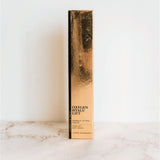
- Hydrating Serum: This is where you bring in the moisture. A serum packed with hyaluronic acid, like Karin Herzog’s Oxygen Hyalu'Lift, is perfect for delivering an intense dose of hydration and oxygen to plump the skin.
- Moisturise: Follow up with your favourite moisturiser to lock in all that hydration and support your skin barrier.
- Sunscreen, Always: This is the most crucial step. Every single day, finish with a broad-spectrum sunscreen of at least SPF 30+. No exceptions!
Crafting Your Evening Routine
Night-time is when your skin switches into repair mode, making it the ideal window for powerful active ingredients like retinol to get to work.
Think of your skincare routine as a well-orchestrated play. Retinol is the star performer, but it needs a strong supporting cast of hydrators and soothing agents to deliver a flawless show.
Now, this is where a little strategy goes a long way. You don’t want to throw all your potent actives at your skin on the same night. A much smarter approach is to alternate. For example, you might use retinol on Mondays and Thursdays, an exfoliating acid on Tuesdays, and dedicate the other nights purely to hydration and recovery.
The Power Pairs and The Ones to Watch
Knowing which ingredients play well with retinol is the secret to a successful routine. Some combinations are a dream, while others are best kept apart.
To make it simple, here’s a quick guide to help you pair products safely and effectively.
Retinol Routine Product Pairing Guide
| Ingredient | Best Practice | Why It Works | Karin Herzog Pairings |
|---|---|---|---|
| Niacinamide | Use in the same routine, often before retinol. | A true dream team. Niacinamide strengthens the skin barrier and calms inflammation, making the whole retinol experience much smoother. | Apply before your retinol serum. |
| Hyaluronic Acid | Use in the same routine, typically after retinol. | These are your hydration heroes. They counteract potential dryness by drawing moisture into the skin and reinforcing its barrier. | Follow with Oxygen Hyalu'Lift or your favourite moisturiser. |
| Vitamin C | Alternate routines. Use Vitamin C in the morning, retinol at night. | Both are powerful, but using them together can be too much for some skin types, leading to irritation. Separating them gives you the best of both. | For more detail, see our guide to using retinol and Vitamin C together. |
| AHAs & BHAs | Alternate nights. Never use them on the same night as retinol. | Using exfoliating acids like glycolic or salicylic acid with retinol is a fast track to over-exfoliation and a damaged skin barrier. | Use retinol on Monday, then your AHA/BHA on a different night, like Tuesday or Wednesday. |
This table should help you navigate the most common pairings, but always remember to listen to your skin.
The 'Retinol Sandwich' for Sensitive Skin
If you have sensitive skin or are feeling a bit nervous about starting, the "retinol sandwich" technique is a game-changer. It’s incredibly simple but does a brilliant job of buffering the ingredient to minimise irritation.
Here’s how you do it:
- Moisturiser First: After cleansing, apply a thin layer of a simple, gentle moisturiser to your dry skin.
- Retinol in the Middle: Wait a few minutes for the moisturiser to absorb, then apply your pea-sized amount of retinol over the top.
- Moisturiser Last: Finish by applying another layer of the same moisturiser to seal everything in and provide an extra cushion of hydration.
This method allows the retinol to work more gently without compromising its long-term benefits. To really get the most out of your efforts, it helps to understand broader comprehensive skincare strategies that put your routine in context.
To give your skin an extra boost of recovery, try incorporating a calming product like Karin Herzog's Essential Mask once or twice a week. It delivers a surge of soothing hydration that helps keep your skin balanced and resilient. By thoughtfully arranging your products, you create a powerful, balanced system that lets retinol do its best work.
Navigating Common Retinol Side Effects

Even when you follow all the rules, starting retinol can feel like a bit of a rollercoaster for your skin. The most common questions I get are always about side effects—the dryness, the flakiness, and those sudden breakouts. The key is knowing what’s normal and what’s a red flag telling you to pull back.
There’s an initial adjustment phase known as retinization. This is the period where your skin is getting used to the accelerated cell turnover that retinol kicks into gear. It’s not necessarily a sign that you’re doing something wrong, but that your skin is adapting to a powerful new active.
Think of it like your muscles feeling sore after a new workout. A little tenderness is expected, but sharp pain is a clear sign to stop. The same logic applies here—mild flaking is one thing, but angry, painful redness is your skin telling you it’s had enough.
Distinguishing Irritation From Retinization
Knowing the difference between your skin just adjusting and a genuine bad reaction is absolutely crucial. Let’s break down the key signals so you can learn to read your skin and respond the right way.
Signs of Normal Retinization (usually lasts 2-4 weeks):
- Mild Dryness: Your skin might feel a bit tighter or more thirsty than usual.
- Light Flaking: You could notice small, flaky patches, often around the nose and mouth.
- The 'Purge': A temporary spike in breakouts can happen as underlying congestion is pushed to the surface.
Signs of True Irritation (a red flag to stop immediately):
- Persistent Redness and Stinging: Your skin looks and feels inflamed, and it doesn't calm down between applications.
- Painful Peeling or Cracking: The skin is shedding in large, uncomfortable sheets, not just light flakes.
- Itching and Burning: A constant, uncomfortable sensation that points to a damaged skin barrier.
If you experience any signs of genuine irritation, it’s vital to take a break. Stop using retinol completely until your skin is calm and has fully healed. When you reintroduce it, go back to a much lower frequency or try a gentler formula. One of the best things you can do in this situation is focus on products designed specifically for skin barrier repair to get things back on track.
Handling Flakes and Dryness
Flaky skin is probably the most common side effect and, thankfully, one of the easiest to manage. Your first instinct might be to scrub it all away, but that’s the worst thing you can do. Aggressive physical exfoliation will only cause more damage and irritation.
Instead, you need to double down on hydration. Swap your regular cleanser for a creamier, more gentle formula that won't strip your skin’s natural oils. Amp up your moisturiser, looking for restorative ingredients like ceramides, squalane, and hyaluronic acid to support your skin’s barrier. Applying moisturiser to slightly damp skin can also help lock in extra water.
The goal isn’t to fight the flaking but to soothe it. Be gentle, add hydration, and let the retinization process run its course without causing further stress to your skin.
Decoding the Retinol Purge
A "retinol purge" happens when the fast-tracked cell turnover pushes all the gunk in your pores to the surface at once. It’s a temporary increase in breakouts, usually in your typical trouble spots. While frustrating, it’s actually a sign that the retinol is working to clear out your pores from the inside out.
A purge typically lasts between four to six weeks. If you’re breaking out in new areas or the acne persists beyond this timeframe, it’s more likely to be irritation-induced breakouts. In that case, you should scale back your use.
For Australians, using retinol correctly is especially important. Our high-UV environment means photoageing causes up to 80% of visible ageing, making smart prevention critical. The 'start low, go slow' approach is key; opting for encapsulated formulas around 0.25% can help you avoid the 30% irritation rate seen with some standard retinols. Discover more insights about the Australian medicated skincare market on imarcgroup.com.
For those who have struggled with traditional retinol, even with careful use, there are gentler alternatives. The Karin Herzog Vita-A-Kombi range is an excellent example. It combines Vitamin A with stabilised oxygen, which enhances its effectiveness while being exceptionally gentle. This unique formulation delivers the anti-ageing benefits you want without the harsh side effects, making it an ideal choice for sensitive skin or anyone who has found other retinols too aggressive.
Advanced Retinol Usage for Long-Term Success
So, you’ve navigated the initial retinol learning curve. Your skin has settled down, the initial sensitivity has passed, and you’re enjoying a clearer, calmer complexion. This is a fantastic milestone, but it's also where the real, long-term work begins. This next phase isn't just about maintenance; it's about smart progression and refining your routine to achieve even better results for years to come.
After several months of consistent use—usually around the three to six-month mark—you might find your initial impressive results start to level off. Don't be discouraged. This is a perfectly normal sign that your skin has fully acclimatised. It simply means it might be time to gently challenge your skin again by moving up the concentration ladder.
Progressing to Higher Strengths
Moving to a stronger retinol is an art, not a race. The same "low and slow" philosophy that got you here still applies. Jumping straight from a gentle 0.3% to a potent 1.0% formula is almost guaranteed to bring back the redness and irritation you worked so hard to overcome. Think of it as taking the next logical, measured step.
For instance, if your skin is comfortably handling a 0.3% retinol every other night, your next move might be to introduce a 0.5% formula just twice a week. You’ll need to watch your skin’s reaction closely, just as you did in the beginning. If it stays happy and calm after a few weeks, you can then begin to slowly increase the frequency.
The goal isn’t to race to the highest strength available. It’s about finding the most potent formula your skin can comfortably tolerate for consistent, long-term application. For some, that sweet spot might be 0.5%, while for others it could be 1.0% or even a prescription-strength retinoid.
A fantastic way to progress is by choosing a more advanced formulation designed for seasoned users. This is where a product like Karin Herzog’s Vita-A-Kombi 2 comes in. It’s formulated with a higher concentration of Vitamin A and our signature active oxygen, which work together to amplify cellular renewal and collagen synthesis more powerfully. It's the perfect step-up for targeting more stubborn signs of ageing once your skin is ready.
Embracing Skin Cycling for Targeted Results
As you become a more experienced retinol user, you can start exploring more sophisticated routine structures like skin cycling. This incredibly popular method involves rotating different active ingredients throughout the week, giving your skin a well-rounded "diet" of treatment and recovery. It’s an effective way to bring other powerful ingredients into the mix without overwhelming your skin barrier.
A simple yet effective four-night cycle could look something like this:
- Night 1: Exfoliation. Use a gentle AHA or BHA product. This helps to remove dead skin cells and clear the way for your other actives to penetrate more effectively.
- Night 2: Retinol. On freshly prepped skin, apply your advanced retinol to stimulate cellular turnover and kickstart collagen production.
- Nights 3 & 4: Recovery. Give your skin a break. Focus entirely on hydration and barrier repair with nourishing serums, soothing moisturisers, and gentle oils.
This structured approach lets you tackle multiple concerns—like uneven texture, hyperpigmentation, or loss of firmness—while giving your skin the essential downtime it needs to stay resilient and healthy.
For those who are already confident with their retinol use and want to explore further, combination therapies can offer impressive benefits. It's always a good idea to consult a professional for a comprehensive overview of skin rejuvenation options, which may include in-clinic treatments like peels or light therapy that can beautifully complement your at-home retinol routine.
Maintaining Your Results for the Long Haul
Consistency is what separates good results from truly great, lasting ones. Once you’ve found your ideal retinol strength and a routine that works for you, the single most important thing you can do is stick with it. The benefits of retinol are cumulative; the longer and more consistently you use it, the better your skin will look and feel.
Think of it this way: effective anti-ageing is a marathon, not a sprint. It’s not about quick, dramatic fixes but about committing to a smart, sustainable practice every single week. That dedication will pay off in the form of healthier, stronger, and more youthful-looking skin for years to come. Your future self will definitely thank you.
Frequently Asked Questions About Using Retinol
Even with the best guide in hand, diving into the world of retinol can bring up a few last-minute questions. It’s completely natural to want that extra bit of reassurance before you start.
We get it. That’s why we’ve gathered the most common queries we hear from clients. Think of this as your quick-reference cheat sheet to build your confidence and get you started on the right foot.
Can I Use Retinol Every Night as a Beginner?
It’s tempting to jump in headfirst, hoping for faster results, but with retinol, patience is your best friend. As a beginner, you absolutely should not be using retinol every single night. Your skin needs to slowly build up what dermatologists call “retinoid receptors”—the pathways that let your cells use Vitamin A without getting overwhelmed and irritated.
Start by applying your retinol just one or two nights per week for the first couple of weeks. If your skin is happy and calm, with no major redness or peeling, you can then graduate to every other night. Only after several weeks of comfortable, every-other-night use should you even consider trying it nightly. This slow and steady approach is the secret to success.
What Is the Difference Between Retinol and Retinoids?
This is a very common point of confusion, but it’s actually quite simple once you break it down.
- Retinoid is the big family name for all Vitamin A derivatives. Think of it as the umbrella term.
- Retinol is a specific type of retinoid you can buy over the counter. It’s gentler because your skin has to do a little work, using its own enzymes to convert it into the active form, retinoic acid. This two-step process slows things down, dramatically lowering the risk of irritation.
- Prescription retinoids, like the well-known Tretinoin, are pure retinoic acid. They are much more powerful because they get to work immediately without any conversion, which means faster results but also a much higher chance of side effects like redness, peeling, and sensitivity.
For most people wanting to target signs of ageing or improve skin texture, a well-formulated over-the-counter retinol is the perfect place to start. It delivers fantastic, clinically-proven results with a much more manageable and comfortable experience.
When Will I See Results from Using Retinol?
While some people are lucky enough to notice a subtle glow or smoother texture within a few weeks, the real, transformative magic of retinol happens over the long haul. You have to be patient.
For the more significant concerns—like the softening of fine lines, fading of sunspots, and that noticeable firming effect—you’ll need to use it consistently for at least three to six months. The new, healthy collagen and elastin that retinol helps your skin build simply don’t appear overnight. Sticking with your routine is the only way to achieve the profound, lasting changes that have made retinol a true gold standard in skincare.
Is It Normal to Experience Purging?
Yes, for some people, it absolutely can be. Retinol works by hitting the fast-forward button on your skin's cell turnover cycle. This can push all the underlying gunk and clogs (what experts call micro-comedones) to the surface at once. This temporary flare-up of breakouts is what’s known as a “purge.”
A true purge typically happens in the areas where you normally get breakouts anyway, and it should clear up within four to six weeks. If you’re still breaking out past this point, or if spots are appearing in brand-new places, it’s more likely a negative reaction. In that case, it’s best to scale back your usage and give your skin barrier some extra TLC.
Ready to start your retinol journey with a formula designed for visible results without the harshness? The Karin Herzog Vita-A-Kombi line uses patented oxygen technology to deliver Vitamin A gently and effectively. Discover the perfect Vita-A-Kombi product for your skin at karinherzog.com.au.