
When you hear talk of "skin barrier repair," it's easy to dismiss it as just another skincare trend. But products designed to do just that—using trusted ingredients like ceramides, hyaluronic acid, and niacinamide—are foundational to achieving truly healthy skin. They work to replenish moisture, calm irritation, and rebuild the very wall that keeps your complexion calm, hydrated, and resilient.
What Is Your Skin Barrier and Why Does It Matter?

Think of your skin barrier as the dedicated security guard for your face. It's the outermost layer of your skin—known in scientific terms as the stratum corneum—and its role is twofold and absolutely critical: keep the good stuff in, and keep the bad stuff out.
The "good stuff" is mainly water and the natural lipids that keep your skin looking plump and feeling hydrated. The "bad stuff" includes everyday aggressors like pollutants, bacteria, and allergens that trigger irritation and inflammation. A healthy, functioning barrier isn't just a nice-to-have; it's the true secret to consistently radiant skin.
The Brick and Mortar Analogy
To get a clear picture of how it all works, the "brick and mortar" analogy is perfect. Imagine your skin barrier as a sturdy brick wall.
- The Bricks: These are your skin cells, called corneocytes. They form the solid structure and are your very first line of defence against the outside world.
- The Mortar: This is a rich, complex mixture of natural fats—lipids like ceramides, cholesterol, and fatty acids—that holds the "brick" cells together. This lipid mortar is what seals the gaps, preventing precious water from escaping and stopping irritants from getting in.
When this wall is solid and intact, your skin feels balanced, resilient, and comfortable. But when that mortar starts to crumble, tiny cracks begin to appear, leading to what we call a compromised or "broken" skin barrier.
A compromised barrier can’t effectively hold onto moisture, a condition known as Transepidermal Water Loss (TEWL). This doesn't just lead to dryness and dehydration; it also leaves your skin vulnerable to external aggressors, causing sensitivity, redness, and irritation.
It's no surprise that looking after the skin barrier has become a major focus for so many. In fact, face care products currently make up 72% of the market value in Australia, showing just how much we're prioritising the health of our facial skin.
Why a Healthy Barrier Is Your First Priority
Before you even think about chasing the latest "it" ingredient or powerful active, getting your barrier health in order is non-negotiable. Without a strong barrier, even the most beneficial products can backfire, causing irritation instead of delivering results.
A healthy barrier ensures your skin can properly absorb nutrients, defend itself against daily stressors, and carry out its natural repair processes effectively. Ultimately, investing in your skin barrier is the most important step towards achieving consistently calm, clear, and glowing skin.
If you suspect yours is struggling, it's vital to learn how to repair a damaged skin barrier with the right, gentle approach.
Telltale Signs of a Damaged Skin Barrier

When your skin’s protective “brick and mortar” wall starts to crumble, it doesn’t suffer in silence. It sends out clear distress signals that are all too easy to mistake for other issues. The problem is, a damaged skin barrier can no longer lock in vital moisture or keep out irritants, and learning to recognise its red flags is the first step toward finding the right skin barrier repair products and bringing your complexion back into balance.
One of the most common clues is a feeling of tightness and discomfort, especially right after cleansing. If your face feels ‘squeaky clean’ and stretched, it’s not a good thing. This sensation is a sign that your cleanser has stripped away the essential lipids—the ‘mortar’—leaving your skin’s defences wide open.
Another telltale sign is a sudden spike in sensitivity. Have you noticed products that were once staples in your routine suddenly stinging, burning, or causing redness? It’s not necessarily the product’s fault. It’s more likely your skin telling you its protective shield is riddled with microscopic cracks, allowing ingredients to penetrate too deeply and trigger an inflammatory response.
From Dullness to Dehydration
A weakened barrier simply can’t hold onto water, leading to a relentless cycle of moisture escape known as Transepidermal Water Loss (TEWL). This constant dehydration shows up in ways you can both see and feel.
- Persistent Redness and Inflammation: A healthy barrier is your gatekeeper against inflammatory triggers. When it’s damaged, irritants slip through easily, leading to chronic, low-grade redness and blotchiness that just never seems to go away.
- Dryness, Flakiness, and Rough Texture: Without enough lipids to seal in hydration, your skin’s surface becomes parched. This often looks like flaky patches, feels rough to the touch, and gives your complexion an overall dull, lacklustre appearance.
- Increased Breakouts: It might seem backwards, but a damaged barrier can actually contribute to acne. The combination of irritation and dryness can trick your skin into overproducing oil to compensate, creating the perfect storm for blemishes to form.
The crucial takeaway here is that a compromised barrier makes your skin reactive to just about everything. If you find your complexion is easily aggravated and unpredictable, it’s a strong signal that barrier repair should be your number one priority. We cover this in great detail in our comprehensive guide to the best skincare for sensitive skin in Australia.
Identifying a Damaged Skin Barrier
Sometimes it’s hard to tell if your skin is just dry, sensitive, or if the barrier itself is truly compromised. This quick reference guide helps connect the symptoms you're seeing to what’s happening on a deeper level.
Identifying a Damaged Skin Barrier
| Symptom | What It Feels Like or Looks Like | Why It Happens |
|---|---|---|
| Tightness | A stretched, uncomfortable feeling, often after washing your face. | The 'mortar' (lipids) has been stripped away, causing the 'bricks' (skin cells) to pull apart. |
| Increased Sensitivity | Products that never bothered you before now sting or burn on application. | Cracks in the barrier are allowing ingredients to penetrate too deeply, triggering an irritated response. |
| Persistent Redness | A constant flush or blotchy appearance that won’t fade. | External irritants are getting through the weakened wall, setting off a continuous inflammatory cycle. |
| Dryness and Flakiness | A rough texture, visible flaking, and a dull, flat look. | The barrier can no longer prevent water from escaping (TEWL), leading to chronic surface dehydration. |
| Unexpected Breakouts | More pimples, blackheads, or congestion than usual. | Your skin is overproducing oil to compensate for dryness and irritation, which ends up clogging pores. |
Understanding the ‘why’ behind each sign is powerful. It allows you to choose solutions that address the root cause of the problem—rebuilding that protective wall—instead of just chasing the symptoms.
Key Ingredients in Skin Barrier Repair Products
When your skin’s protective wall is in disarray, you need a skilled construction crew to get things back in order. This is where the right ingredients in your skincare come in. Choosing effective skin barrier repair products isn't about chasing trends; it’s about reading the ingredient list and knowing which components are scientifically proven to patch up those "cracks" in your stratum corneum.
Think of it like restocking a pantry for your skin. You need the right combination of building materials, hydrating agents, and soothing workers to restore balance and strength. Focusing on these science-backed essentials is the surest path back to resilient, healthy skin.
The Essential Building Blocks
The "mortar" holding your skin cells (or "bricks") together is a precise mix of lipids. When the barrier is damaged, this mortar is depleted. The most effective repair products are the ones that re-supply these fundamental components to restore the wall's structural integrity.
The big three you should always look for are:
- Ceramides: These are the most abundant lipids in your skin barrier, making up about 50% of its composition. They are the primary sealant, absolutely crucial for preventing water loss and blocking out irritants. Replenishing ceramides is like adding fresh mortar to a crumbling wall—it directly reinforces the structure.
- Cholesterol: While it sometimes gets a bad rap in nutrition, cholesterol is a non-negotiable hero in skincare. It helps maintain the fluidity and resilience of the skin barrier, making sure it stays flexible yet strong.
- Fatty Acids: These lipids help regulate a whole host of skin functions, including managing inflammation and maintaining the overall health of the lipid matrix that holds everything together.
Products formulated with an optimal ratio of these three lipids are exceptionally effective because they mimic the skin's natural composition, giving it exactly what it needs to rebuild itself.
Hydrators and Soothing Agents
Once the structural components are in place, the focus shifts to hydration and calming down inflammation. A damaged barrier is both thirsty and angry, so you need ingredients that can do both jobs at once.
Soothing a compromised barrier isn't just about feeling better; it’s a critical step in the healing process. Chronic inflammation actively hinders the skin's ability to repair itself. Calming ingredients create the peaceful environment your skin needs to focus on reconstruction.
Keep an eye out for these powerhouse ingredients on your product labels:
- Hyaluronic Acid: A master hydrator, this molecule can hold up to 1,000 times its weight in water. It draws moisture into the skin, plumping up cells and alleviating that tight, dehydrated feeling that comes with barrier damage.
- Niacinamide (Vitamin B3): This multi-tasking superstar is famous for its ability to calm redness and reduce inflammation. It also stimulates the skin’s own natural production of ceramides, helping it rebuild its defences from within.
- Panthenol (Pro-Vitamin B5): An excellent humectant and emollient, panthenol both attracts and locks in moisture. It's also renowned for its powerful soothing properties, helping to reduce itching and irritation.
- Antioxidants: Ingredients like Vitamin E and Green Tea help shield the vulnerable, healing barrier from environmental stressors like pollution and UV radiation, preventing further damage while it recovers.
For a deeper dive into the roles these and other ingredients play, you can explore our detailed guide on active ingredients in skincare.
A New Frontier in Repair with Stabilised Oxygen
Beyond these foundational ingredients, innovative technology offers a way to supercharge the skin's own repair mechanisms. Karin Herzog’s patented Stabilised Oxygen technology is a perfect example. It delivers active, medical-grade oxygen directly to your skin cells.
This process energises the cells' mitochondria—their internal power plants—boosting cellular metabolism and accelerating natural functions like collagen production and, critically, repair. By energising the skin from within, stabilised oxygen helps speed up the recovery of a compromised barrier, leading to faster, more visible results. It works in perfect synergy with other barrier-supporting ingredients, amplifying their effects and promoting a swift return to a calm, resilient state.
This focus on science-backed, high-performance formulas is what discerning customers are looking for. The Australian skincare market, for instance, shows a strong preference for brands that deliver tangible results through proven science. Choosing products with advanced, scientifically validated ingredients ensures you're not just soothing symptoms, but actively investing in your skin's long-term health and strength.
How to Build a Barrier Repair Skincare Routine
Knowing which ingredients can heal your skin is one thing, but piecing them together into a consistent, effective routine is a completely different challenge. When your skin barrier is compromised, the instinct is often to throw more products at the problem. In reality, the path to recovery is about simplifying and strategising. It's about creating a peaceful, supportive environment where your skin can pause, breathe, and focus on what it does best: healing itself.
This means stripping your routine back to the non-negotiables: a gentle cleanser, a targeted treatment, a nourishing moisturiser, and daily sun protection. Think of it as a ‘less is more’ philosophy that prioritises soothing and replenishing over aggressive 'fixing'. By carefully choosing your products and applying them in the right order, you’re giving your skin the building blocks it needs to reconstruct its protective wall, guiding it from a state of reactivity back to calm resilience.
The Core Principles of a Barrier Repair Routine
Before diving into specific products, it’s important to get into the right mindset. Repairing your barrier is a marathon, not a sprint, and patience is your most valuable asset. It can take anywhere from 28 days to a few months for your skin to fully recover from significant damage, so consistency is everything.
Your new routine should be built around these foundational actions:
- Cleanse Gently: Ditch any harsh, stripping cleansers immediately. Your skin should never feel tight or ‘squeaky clean’ after washing.
- Soothe and Hydrate: Layer calming, hydrating ingredients to bring down inflammation and replenish the water your skin has lost.
- Replenish Lipids: Use moisturisers rich in ceramides, cholesterol, and fatty acids to rebuild the ‘mortar’ holding your skin cells together.
- Protect Daily: A compromised barrier is incredibly vulnerable to UV damage, which only fuels inflammation and slows down the healing process.
This simple infographic breaks down the key stages of rebuilding your skin barrier, moving from replenishment and soothing to re-energising your skin's natural functions.

Each step builds on the last, ensuring your skin gets the comprehensive support it needs to recover its strength and find its balance again.
A Universal AM and PM Barrier Repair Blueprint
This foundational routine can be adapted for any skin type dealing with a compromised barrier. It focuses on gentle, effective steps using select Karin Herzog products designed to soothe, energise, and protect.
Morning (AM) Routine: The Focus is Protection
Your morning routine is all about shielding your vulnerable skin from the environmental stressors it will face throughout the day.
- Rinse or Gentle Cleanse: Often, a simple splash of lukewarm water is all you need in the morning. If you feel you must cleanse, reach for a mild, creamy formula that won’t strip your skin.
- Hydrating Serum: Apply a hyaluronic acid-based serum to damp skin. Karin Herzog's Oxygen Hyalu'Lift is perfect here, delivering a powerful dose of hydration while the oxygen helps energise skin cells for better function.
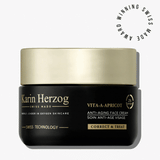
- Nourishing Cream: Lock in all that hydration with a barrier-supportive moisturiser. A product like Vita-A-Kombi 1 gives your skin essential vitamins and lipids to support cellular renewal without causing irritation, making it ideal for healing skin.
- Sunscreen: This is non-negotiable. Apply a broad-spectrum, fragrance-free SPF 50+ generously.
Evening (PM) Routine: The Focus is Repair
Night-time is when your skin’s natural repair processes kick into high gear. Your evening routine should be all about supporting and enhancing this recovery.
- Gentle Cleanse: Thoroughly but gently remove the day’s grime, makeup, and sunscreen. A pH-balanced, non-foaming cleanser is your best bet.
- Intensive Mask Treatment (2-3 times a week): On a clean face, apply Karin Herzog's Essential Mask. This potent treatment is like a reset button for stressed skin, delivering a surge of stabilised oxygen and hydration that reduces inflammation and accelerates the repair of damaged tissue.
- Targeted Cream: After masking (or on other nights), apply your treatment cream. Using Vita-A-Kombi 2 in the evening can provide a slightly more intensive dose of nutrients to support overnight regeneration.
- Seal with an Oil (Optional): If your skin is particularly dry or compromised, you can layer a non-comedogenic facial oil over your cream. This creates an occlusive barrier that prevents water loss while you sleep.
Remember: During the acute repair phase, it is crucial to stop all use of potent actives. This means pressing pause on high-strength retinoids, vitamin C serums, and exfoliating acids (AHAs/BHAs). You can think about reintroducing them only after your barrier is fully healed and resilient.
Barrier Repair Routines for Your Skin Type
While the core principles are universal, tailoring your routine to your skin's specific needs will fast-track your results. The key is to address your primary skin type while still giving the barrier the gentle support it craves. Below is a quick guide to customising your AM and PM rituals.
| Skin Type | Morning Routine Steps | Evening Routine Steps | Key Product Focus |
|---|---|---|---|
| Sensitive & Dry | Gentle Rinse, Oxygen Hyalu'Lift, Vita-A-Kombi 1, SPF | Gentle Cleanse, Essential Mask (3x week), Vita-A-Kombi 1, Facial Oil | Essential Mask: This will be your best friend for instantly calming redness and delivering deep, soothing hydration. |
| Oily & Acne-Prone | Gentle Cleanse, Oxygen Hyalu'Lift, Oil-Free Moisturiser, SPF | Gentle Cleanse, Essential Mask (2-3x week), Vita-A-Kombi 1 | Oxygen-Based Formulas: The oxygen in Karin Herzog's products has a natural antibacterial effect, helping to keep breakouts at bay without any harshness. |
| Mature | Gentle Rinse, Oxygen Hyalu'Lift, Vita-A-Kombi 2, SPF | Gentle Cleanse, Essential Mask (2-3x week), Vita-A-Kombi 2 | Oxygen Hyalu'Lift + Vita-A-Kombi: This powerful duo offers both plumping hydration and gentle cellular renewal to restore a youthful, resilient complexion. |
By following this structured yet flexible approach, you can systematically rebuild your skin’s defences. This strategy, centred around high-quality skin barrier repair products, transforms your routine from a daily chore into a true healing ritual, paving the way for calm, healthy, and resilient skin.
How To Use Actives Without Wrecking Your Skin Barrier
Everyone loves what powerful active ingredients like retinoids and alpha-hydroxy acids (AHAs) can do. They’re famous for smoothing texture, clearing out pores, and softening fine lines. But with great power comes great responsibility.
Go in too hard, too fast, and these potent ingredients can quickly turn on you, becoming a leading cause of skin barrier damage. They work by speeding up cell turnover, and overdoing it can strip away your skin's protective lipids faster than it can make new ones.
The secret isn’t to avoid these incredible ingredients. It’s about using them strategically. With a smart, gentle approach, you can get all the rewards without sacrificing the health of your skin’s most important defence system. Think of this as your user manual for keeping your barrier calm, happy, and resilient while using the good stuff.
The Low and Slow Method
When you bring any new active into your routine, the golden rule is to go "low and slow." This simply means starting with a low concentration and using it only a few times a week. Instead of jumping straight to a high-strength retinol every night, begin with a gentler formula just once or twice a week.
This gives your skin time to get used to the ingredient in a process known as retinisation. By gradually increasing how often you use it over several weeks or months, you sidestep most of the initial irritation and allow your skin to build up a natural tolerance. If you start to see signs of a compromised barrier, like redness or peeling, just scale back your usage until your skin feels comfortable again.
Protective Application Techniques
How you apply your actives can make a world of difference to how your skin responds. Two popular techniques are brilliant for creating a buffer and reducing the chance of irritation:
- The Sandwich Technique: This is a fantastic method for sensitive skin or for anyone just starting with retinoids. You simply apply a thin layer of a simple, barrier-friendly moisturiser, wait for it to absorb, then apply your active. Finish by "sandwiching" it with another layer of moisturiser. This creates a buffer that slows down the active’s penetration, making it much gentler on the skin.
- Skin Cycling: Made popular by dermatologists, skin cycling is a four-night routine that strategically builds in recovery days. A typical cycle might look like this: Night 1 is for exfoliation (AHA), Night 2 is for a retinoid, and Nights 3 and 4 are purely for recovery, where you only use nourishing skin barrier repair products. This simple schedule prevents over-exfoliation and gives your skin plenty of time to heal.
When integrating powerful actives like retinoids or AHAs, proper application and product selection are paramount to avoid compromising your skin barrier. Furthermore, understanding the potential impact of toxic beauty products is essential for maintaining skin health.
Gentle Alternatives for Exfoliation
We’ve all been there. Those harsh physical scrubs with jagged, scratchy particles can create micro-tears in the skin, which is a fast track to a damaged barrier. But gentle exfoliation is still crucial for sweeping away the dead cells that can leave your complexion looking dull.
This is where Karin Herzog's philosophy of gentle-but-effective skincare really shines. The Karin Herzog Mild Scrub uses finely polished marble powder to gently buff the skin's surface without any harsh abrasion. It smooths texture beautifully while respecting the integrity of your skin barrier, making it a much safer choice, especially when your skin is feeling a bit vulnerable.
And if you're curious about using multiple actives together, it's worth learning the best practices for combining ingredients like retinol and vitamin C. By choosing your products and methods wisely, you can have it all: a smooth, radiant complexion and a strong, healthy barrier.
Why Consumers Are Demanding Therapeutic Skincare
The days of choosing skincare based on pretty packaging or a pleasant scent are fading fast. We’ve all been there, but today’s Australian shoppers are different. We’re more educated, more discerning, and far more invested in the long-term health of our skin. This isn't just a passing trend; it’s a massive shift away from superficial cosmetics and towards what we call therapeutic skincare.
This new demand is all about getting to the root of the problem. We're no longer content with products that simply mask issues. Instead, we’re actively hunting for science-backed formulas that genuinely solve common skin concerns like persistent redness, sensitivity, acne, and rosacea—all of which are tied directly to the health of our skin barrier.
From Cosmetics to Clinically Proven Results
This growing sophistication means we’re now fluent in the language of ingredients and efficacy. We want to see real proof that a product actually works before we invest in it.
It’s why certain phrases have become so important when we shop:
- Dermatologically-Tested: This gives us the confidence that a product has been reviewed for safety and tolerance on real skin, under an expert's eye.
- Clinically-Proven: This is the gold standard. It tells us a formula has gone through rigorous testing to back up its specific claims, whether it's for hydration, anti-ageing, or barrier support.
- Science-Backed Formulas: We want to know that a brand invests in proper research and development, using ingredients and technologies that deliver real, measurable results.
This desire for genuine outcomes is precisely why brands that lead with science, like Karin Herzog, are resonating so strongly. The entire focus is on performance and skin health, not just a temporary fix.
The Market Confirms the Movement
And it’s not just a feeling—the data shows it. The Australian medicated skincare market, which includes therapeutic treatments and skin barrier repair products, hit USD 1,011.7 million in 2025. It’s projected to more than double to USD 2,080.6 million by 2034, with a powerful compound annual growth rate (CAGR) of 8.34%. This incredible growth is being driven by our rising awareness of skin health and the increasing prevalence of conditions like eczema and psoriasis that need specialised care. You can explore the full analysis of the Australian medicated skincare market to see these trends in detail.
This data confirms what so many of us already feel: we are moving into an era of ‘skin-vestment’. We're willing to invest in premium, high-performance products because we finally understand that healthy skin is the ultimate foundation.
This growing demand validates your own interest in more advanced skincare. It means you’re part of a smart, well-informed group of people who expect more from their products. When you choose a brand built on decades of Swiss research and patented technology, you’re not just buying another cream—you’re investing in a scientifically validated solution that meets a real, and growing, need for effective, therapeutic results.
Your Skin Barrier Repair Questions, Answered
Navigating the world of skin barrier repair can bring up a lot of questions, especially when your skin feels unpredictable and reactive. We get it. Here are some clear, straightforward answers to the most common queries we hear from people starting their journey back to healthy, resilient skin.
How Long Does It Take to Repair a Damaged Barrier?
It’s the question we hear most often, and the honest answer is: it takes patience. On average, you can expect the process to take anywhere from 28 days to several months to fully restore a compromised barrier.
That initial 28-day period lines up with your skin's natural cell turnover cycle, but if the damage is deeper or more persistent, it will naturally take longer to heal. Consistency with a gentle, supportive routine is absolutely everything here. Rushing the process or reintroducing harsh actives too soon will only set you back. Think of it like allowing a sprained ankle to heal—it needs proper time and rest to recover its strength.
Can I Use Actives While My Barrier Is Healing?
The short answer is a firm no. While your skin is in an active state of repair, it’s critical to press pause on all potent active ingredients.
This includes things like:
- Retinoids (retinol, retinaldehyde)
- Exfoliating acids (AHAs like glycolic acid, and BHAs like salicylic acid)
- High-concentration Vitamin C serums
These ingredients, while fantastic for healthy skin, are far too stimulating for a compromised barrier. Using them now will only increase irritation, inflammation, and slow down your recovery. You’ll need to wait until your skin feels calm, hydrated, and resilient for at least a few weeks before you even consider slowly reintroducing them, one at a time.
A damaged skin barrier is highly permeable and reactive. Even gentle products can feel irritating, which is why a simplified routine focused on soothing and replenishing is so vital for healing.
Do I Need Specific Skin Barrier Repair Products?
Yes, choosing products specifically formulated for this purpose makes a significant difference. These aren't just your standard heavy moisturisers; they are intelligently designed with a specific job to do.
Look for formulas packed with ingredients like ceramides, hyaluronic acid, and niacinamide that actively replenish what your skin has lost. It’s also important that they are free from common irritants like fragrance and drying alcohols. Using dedicated skin barrier repair products ensures you’re giving your skin the precise building blocks it needs to reconstruct its defences effectively.
If you have more specific questions about our ingredients or how to use our products, you can always visit our FAQ page for additional information.
At Karin Herzog, we believe in a science-first approach to skin health. Our Swiss-formulated products, powered by stabilised oxygen, are designed to soothe, energise, and rebuild your skin’s resilience from the cellular level up.