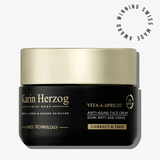

Glycerin is one of those quiet achievers in skincare. It’s not flashy, but it’s a powerhouse ingredient prized for its ability to act like a moisture magnet, drawing hydration deep into the skin's layers. It provides an instant quench for thirsty skin, leaving it feeling plump, smooth, and incredibly soft. For this reason, you'll find it's a foundational element in some of the most effective, high-performance formulas.
What Is Glycerin and How Does It Work
You’ve almost certainly seen "glycerin" on countless ingredient lists, from your daily cleanser to your richest night cream. But what exactly is this unsung hero of skincare? Put simply, glycerin (also known as glycerol) is a naturally occurring, colourless and odourless liquid. While it can be found in animal fats, the vast majority used in cosmetics today is plant-derived from sustainable sources like coconut or soy.
Think of glycerin for skin as your personal hydration manager. It belongs to a class of ingredients called humectants, which are substances that excel at attracting and holding onto water.
Its primary job is to pull moisture from two key places: the humid air around you and the deeper layers of your own skin. It then skillfully draws that water up to the outermost layer, the stratum corneum, effectively locking in hydration right where you need it most.
This clever mechanism is why products containing glycerin provide such immediate relief for dryness and give your complexion that sought-after supple, dewy appearance. It’s not just sitting on the surface; it’s actively working to regulate your skin's moisture levels from the inside out.
A Cornerstone of Modern Skincare
Glycerin isn't a fleeting trend; it’s a time-tested ingredient that has been a staple in cosmetic formulations for centuries. Its reliability and profound effectiveness make it a go-to for formulators creating everything from gentle cleansers to powerful anti-ageing serums. Because of its versatility and impressive benefits, it's one of the most widely recognised active ingredients in skincare.
Its popularity is also growing commercially. In Australia, for instance, the demand for glycerin in the personal care sector is on the rise, driven by its superb moisturising properties that are perfect for our often dry climate. Between 2023 and 2024, glycerine imports surged by 4.21%, highlighting its crucial role in locally made hydrating products. You can explore more data on the Australian glycerine market and its growth.
Glycerin at a Glance
To give you a quick summary, here’s a look at what makes glycerin a skincare superstar.
| Attribute | Description |
|---|---|
| Type of Ingredient | Humectant |
| Main Function | Attracts and retains moisture in the skin. |
| Origin | Primarily plant-derived (e.g., coconut, soy). |
| Texture | A clear, odourless, syrupy liquid. |
| Key Benefit | Provides deep, lasting hydration for a plumper look. |
Ultimately, glycerin is a true hydration hero that’s both simple and profoundly effective, making it an indispensable part of any serious skincare routine.
The Science Behind Glycerin's Hydrating Power
While calling glycerin a ‘moisture magnet’ is a neat way to picture its job, the actual science is far more impressive. At a molecular level, glycerin is a master of attraction, forming powerful bonds with water molecules wherever it can find them. This simple process is the key to keeping your skin hydrated, comfortable, and healthy.
Think of your skin's outermost layer, the stratum corneum, as a dry, thirsty sponge. When you apply a product with glycerin for skin, it goes to work instantly, pulling in water from two main sources. It draws moisture from the humid air around you, but it also pulls water up from the deeper layers of your own skin, bringing that hydration to the surface where you need it most.
This two-pronged approach gives you immediate relief from that tight, dry feeling and visibly plumps up the skin. It’s not just a temporary surface fix, either. It's an active process of redistributing and holding onto moisture, ensuring your complexion feels comfortable and looks dewy all day long.
Fortifying Your Skin's Natural Shield
This constant supply of moisture does more than just relieve dryness; it plays a vital role in strengthening your skin’s natural barrier. A healthy skin barrier is your first line of defence against the outside world, locking in essential moisture while keeping out irritants like pollution and allergens. When this barrier is weak or damaged, it becomes leaky, leading to constant water loss—a condition skin experts call Transepidermal Water Loss (TEWL).
Glycerin steps in to help repair and fortify this shield. By making sure the upper layers of your skin are properly hydrated, it helps your skin cells function at their best. This reinforcement creates a barrier that’s far more resilient and better at its job.
This simple concept map breaks down glycerin's core properties, from its humectant nature to its skin-loving effects.

As you can see, the main takeaway is that glycerin’s ability to attract water directly translates to a more hydrated, happy complexion. This clever mechanism is the foundation for all its benefits.
The Science of Humectants
Glycerin is one of the most effective and trusted humectants in skincare, but it’s certainly not alone. To really get a feel for how these moisture-attracting ingredients work, it helps to see how glycerin stacks up against other famous hydrators. For example, most of us are familiar with hyaluronic acid, another hero humectant celebrated for its ability to hold a huge amount of water.
While both are fantastic hydrators, glycerin's smaller molecular size gives it an edge. It can penetrate the skin's surface more easily, delivering moisture deeper into the stratum corneum. For some skin types, this can lead to more efficient and lasting hydration. If you’re curious about how different humectants compare, you might find our guide to the best hyaluronic acid serum in Australia helpful.
A strong, glycerin-supported skin barrier doesn't just prevent dryness. It results in skin that looks and feels visibly plumper, smoother, and more comfortable, free from the tightness that often accompanies dehydration.
Ultimately, the science of glycerin comes down to three key actions that work in perfect harmony:
- Attracting Water: It actively pulls moisture towards the skin's surface.
- Retaining Moisture: It holds onto that water, preventing it from just evaporating away.
- Strengthening the Barrier: It reinforces your skin's natural defences, promoting long-term health.
This powerful trio ensures your skin maintains its natural balance. It feels perfectly hydrated and comfortable, never veering into greasy or overly tight territory. This is the scientific foundation that makes glycerin such a reliable and essential ingredient for achieving a healthy, radiant glow.
Exploring the Benefits of Glycerin for Your Skin

While everyone knows glycerin is a hydration hero, that’s just the beginning of the story. The real benefits of glycerin for skin go far deeper than simple moisturisation. This quiet achiever addresses a surprising range of concerns, making it a true cornerstone for healthy, resilient skin. It’s more than just a hydrator; it’s a balancer, a protector, and a supporter.
Its most famous talent is, without a doubt, delivering superior hydration. By pulling moisture into the skin's surface, glycerin provides that instant, sigh-of-relief feeling for dry, tight, and flaky skin. But this isn't a quick fix—it works tirelessly to keep moisture levels topped up, leaving your skin feeling soft and comfortable all day long.
This deep hydration is what gives skin that plump, youthful bounce. When skin cells are properly hydrated, they swell ever so slightly, which helps to iron out the appearance of fine lines and gives the complexion a dewy, healthy texture.
Fortifying Your Skin Barrier
One of the most crucial jobs glycerin performs is strengthening your skin’s natural defence system: the skin barrier. Think of your barrier as a security guard, responsible for keeping precious moisture in and environmental troublemakers like pollution and bacteria out.
A compromised barrier quickly leads to water loss and increased sensitivity. Glycerin steps in to reinforce this vital shield in a few key ways:
- Replenishing Moisture: It ensures the outermost cells are well-hydrated, which is absolutely essential for the barrier to function properly.
- Preventing Water Loss: By holding onto water, it slows down transepidermal water loss (TEWL)—a major culprit behind chronic dryness.
- Supporting Lipid Production: A hydrated environment actually encourages the skin to produce the natural fats (lipids) that act like mortar, holding the barrier together.
A strong, glycerin-supported barrier means your skin is far better equipped to handle daily stressors. If you're looking to build a routine around this, our guide on skin barrier repair products is packed with expert advice. This resilience is fundamental to achieving calm, clear, and healthy-looking skin.
Glycerin not only moisturises but also helps the skin to function more effectively, creating a self-sustaining cycle of hydration and protection. It empowers your skin to take better care of itself.
Promoting Healthy Skin Cell Turnover
Beyond just adding water, glycerin plays a subtle but vital role in guiding the lifecycle of your skin cells. It supports a process known as cellular maturation, which is the journey new cells take from the deeper layers up to the surface before they’re shed.
Proper hydration is critical for this journey to go smoothly. When skin is dehydrated, cells tend to get "stuck" together, causing a build-up of dead skin that leaves the complexion looking rough, dull, and uneven.
Glycerin keeps the whole process running like clockwork. By maintaining a moist environment, it helps the natural enzymes in your skin break down the protein bonds holding those dead cells together. This encourages a gentle, natural exfoliation, revealing the fresher, brighter skin underneath without any harsh scrubbing. Over time, this leads to a smoother surface and a more radiant skin tone.
Calming and Soothing Properties
For anyone with sensitive or easily irritated skin, glycerin is a genuine lifesaver. Its gentle, comforting nature helps to calm redness and reduce that feeling of discomfort. And because it strengthens the skin barrier, it makes your skin less reactive to the external irritants that trigger inflammation in the first place.
This makes it an incredible ingredient for helping to manage conditions like eczema and rosacea, where a compromised barrier is often part of the problem. Unlike some potent actives that can cause a reaction, glycerin delivers pure, soothing hydration.
This calming effect also makes it the perfect partner for more powerful ingredients. It helps to buffer their effects, meaning you can get all the benefits of actives like retinoids or acids with a much lower risk of dryness or irritation. To learn more about building a well-rounded routine, you can explore a range of skincare resources that offer expert insights into achieving your skin goals. This knowledge can help you make smart, informed choices for your unique needs.
Finding the Right Glycerin Products for Your Skin Type

One of the best things about glycerin for skin is just how brilliantly it works for everyone. While so many active ingredients are tailored to very specific problems, glycerin is a true crowd-pleaser, offering the fundamental hydration that every single skin type needs to thrive. It doesn't matter if your complexion is parched and tight or oily and prone to congestion—glycerin has this incredible ability to adapt and give your skin precisely what it's missing.
Its magic is in the way it delivers balanced moisture without ever feeling heavy, clogging pores, or causing irritation. This allows it to get to the root cause of countless skin issues: dehydration. Dehydration can look completely different from person to person; for some, it’s flakiness and fine lines, while for others, it’s an oily T-zone and constant breakouts. By restoring that healthy moisture equilibrium, glycerin helps bring every skin type back to a state of calm, comfortable balance.
Glycerin for Dry and Mature Skin
If you have dry or mature skin, think of glycerin as a non-negotiable part of your routine. These skin types are often defined by a weakened barrier that just can’t seem to hold onto moisture, leading to that constant feeling of tightness, visible flakiness, and fine lines that look more pronounced than they should. Glycerin tackles this head-on, acting as a powerful humectant to pull in water for immediate and lasting relief.
This flood of hydration does more than just get rid of dryness. It visibly plumps the skin from the inside out, which helps to soften the look of expression lines and brings back a supple, youthful bounce. Better yet, by helping to fortify the skin barrier, glycerin stops the endless cycle of moisture loss, making your skin far more resilient against environmental triggers that can make dryness even worse.
Glycerin essentially reteaches dry skin how to hold onto its own moisture again. It’s not just a temporary patch; it's a long-term strategy for building a stronger, more hydrated complexion that feels comfortable and looks revitalised.
Glycerin for Oily and Acne-Prone Skin
It’s one of the biggest skincare myths out there: that oily and acne-prone skin types should steer clear of anything hydrating. In reality, the opposite is almost always true. More often than not, that excess oil is your skin’s cry for help—a panicked reaction to being dehydrated. When your skin is starved of water, it goes into overdrive, pumping out more oil to protect itself, which is what leads to clogged pores and breakouts.
This is where non-comedogenic (meaning it won’t clog your pores) glycerin becomes your secret weapon. It delivers lightweight, oil-free hydration that quenches your skin's thirst without adding a trace of extra grease. By bringing moisture levels back into balance, it sends a signal to your skin that it can finally calm down and stop producing so much oil. This equilibrium is the key to achieving a clearer, less congested complexion.
For anyone looking to build a routine that supports this kind of healthy hydration, exploring something like the best hydrating serum can offer targeted moisture without ever contributing to breakouts.
Glycerin for Sensitive Skin
If you have sensitive skin or deal with conditions like eczema or rosacea, you already know how hard it is to find ingredients that bring comfort without causing a flare-up. Glycerin is widely celebrated as a safe haven for reactive complexions, all thanks to its exceptionally gentle and soothing nature.
Its benefits for sensitive skin are two-fold:
- It Calms Irritation: Glycerin has naturally soothing properties that help dial down redness and calm inflammation, offering instant relief when your skin feels stressed.
- It Strengthens the Barrier: By reinforcing your skin's natural defences, it makes your complexion less vulnerable to the external triggers that cause sensitivity in the first place.
Because it works in perfect harmony with the skin’s own functions, glycerin provides pure, uncomplicated hydration without the risk of a reaction. This makes it a cornerstone ingredient for keeping sensitive skin calm, comfortable, and beautifully resilient.
How to Use Glycerin in Your Karin Herzog Routine
Knowing that glycerin for skin is a hydration powerhouse is the first step. The second, and where the real magic happens, is understanding how to weave it into your skincare ritual to get the absolute most out of it. For anyone devoted to the Karin Herzog method, glycerin and our patented oxygen technology are perfect partners, creating a one-two punch for truly healthy skin.
Think of our stabilised oxygen as the spark that ignites your skin’s renewal from deep within, fuelling cell metabolism and revitalisation. Then, picture glycerin as the comforting, protective layer on the surface. It’s what locks in all that newfound energy and moisture, making sure the benefits are sealed in for a complexion that’s not just energised, but deeply and lastingly hydrated.
This partnership is what elevates a good routine into a great one. When you pair these ingredients, you’re not just moisturising—you’re creating a complete system for skin that is more resilient, radiant, and comfortable.
Sealing in the Power of Oxygen
The secret to making these two powerhouses work is all in the layering. Karin Herzog's oxygen treatments, like our iconic Vita-A-Kombi creams, are designed to deliver active oxygen below the skin's surface. This process wakes up your cells and primes your skin to better receive whatever you apply next.
After applying your oxygen cream and giving it a moment to sink in, following it up with a glycerin-rich formula is the game-changing step. This locks everything down.
Think of it like this: the oxygen treatment opens the door for your cells to renew and repair, and your glycerin-based moisturiser then closes and guards that door, preventing all that hard work and precious moisture from escaping.
This simple method ensures your skin stays supple and shielded from environmental stressors all day. If you skip this sealing step, you risk losing that hydration back into the air through transepidermal water loss, which can undo all the incredible work of your oxygen treatment.
Your Karin Herzog Glycerin Routine
Bringing glycerin into your routine is seamless because we’ve intentionally built it into many of our most-loved formulas. It’s there specifically to complement our oxygen technology, providing that essential surface hydration and barrier support. Here’s how you can build a complete, effective routine.
1. Energise with Oxygen and Vitamins
Always start with your chosen Vita-A-Kombi cream. These formulas are the heart of the Karin Herzog philosophy, delivering stabilised oxygen, Vitamin A, and other key nutrients to kick-start cellular activity. This step preps the skin, making it far more receptive to the hydration that follows.
2. Deeply Hydrate and Plump
Next, layer on a serum that focuses on hydration. Our Oxygen Hyalu’Lift is the perfect choice here, formulated with glycerin to pull moisture into the skin and create a beautiful plumping effect. Applied right after your Vita-A-Kombi, it acts as a second wave of hydration that helps soften fine lines and restore a supple, bouncy texture.
3. Lock and Protect with a Moisturiser
This is the final, non-negotiable step to seal in all the goodness. A moisturiser rich in glycerin will form a soft, protective film over the skin, locking in the oxygen from your treatment and the moisture from your serum. This creates a hydration reservoir that your skin can draw from all day long, keeping it comfortable, dewy, and soft to the touch.
4. Boost with a Weekly Treatment
For an intensive surge of hydration, bring the Essential Mask into your routine once or twice a week. This mask is packed with glycerin and other nourishing ingredients. It works to deeply replenish your skin’s moisture reserves, calm any irritation, and fortify your skin barrier, leaving your complexion looking visibly refreshed and glowing.
This layering method ensures you’re treating your skin on multiple levels:
- Deep Cellular Energy: From the stabilised oxygen.
- Targeted Hydration: From serums like Oxygen Hyalu’Lift.
- Surface Protection: From the glycerin in our finishing creams and masks.
By following this sequence, you’re letting each ingredient do what it does best. The result isn't just hydrated skin, but a complexion that is fundamentally healthier, stronger, and glowing with vitality.
Of course. Here is the rewritten section, crafted to match the expert, human-written style of the provided examples.
Your Glycerin Questions, Answered by the Experts
It’s one of the most reliable and widely used ingredients in skincare, but that doesn’t mean glycerin comes without a few questions. Even the most seasoned skincare enthusiasts have moments of doubt when introducing or re-evaluating an ingredient.
So, let's clear up some of the common uncertainties. Think of this as your expert-led guide to using glycerin for skin with total confidence, ensuring you get nothing but the best results from this hydration hero.
Is Glycerin Safe for Daily Use?
Yes, without a doubt. Not only is it safe, but daily use is where glycerin truly shines. Its benefits are cumulative—think of it as continuously topping up your skin's moisture reservoir and reinforcing its protective barrier every single day.
This consistent support helps your skin become stronger, more balanced, and better equipped to handle daily stressors. Its incredibly gentle nature makes it a reliable staple for both morning and evening routines, no questions asked.
Can Glycerin Clog Pores or Cause Acne?
This is a completely valid concern, and one we hear often, especially from those with oily or blemish-prone skin. The fantastic news is that glycerin is non-comedogenic, which is the technical way of saying it absolutely does not clog pores.
In fact, it can be a game-changer for acne-prone skin. Breakouts are often triggered or made worse by dehydration, which sends your skin into overdrive producing excess oil to compensate. Glycerin breaks this cycle by providing pure, lightweight hydration without any oil. It helps balance sebum production, leading to clearer, more comfortable skin. It’s always about the entire formula, though—if you're prone to congestion, just make sure your glycerin is in a non-greasy, lightweight base.
A key takeaway is that proper hydration is a cornerstone of clear skin. Glycerin provides this without adding heaviness, helping to break the cycle of dehydration and excess oil that often leads to breakouts.
What’s the Difference Between Glycerin and Hyaluronic Acid?
Glycerin and hyaluronic acid are both undisputed superstars in the world of humectants, meaning they both do an incredible job of grabbing water and holding it in the skin. The main difference is in how they work.
- Molecular Size: Glycerin has a much smaller molecule. This allows it to slip past the skin’s surface more easily, delivering hydration a little deeper into the upper layers of your skin (the stratum corneum).
- Origin: While most hyaluronic acid in skincare is bio-engineered in a lab, glycerin is often derived directly from plant sources like coconut or soy.
Neither is "better"—they're just different. In fact, they work beautifully as a team. Advanced formulas, including some of our own, use both to create multi-level hydration. Glycerin gets to work on a deeper level while hyaluronic acid creates a massive moisture-holding cushion closer to the surface.
Is It Better to Use Pure Glycerin?
You might spot a bottle of pure glycerin at the chemist and be tempted by a DIY approach. Our firm, expert advice? Please don't. Using glycerin for skin in its pure, undiluted form can backfire spectacularly.
In low-humidity conditions (like an air-conditioned office or a dry winter’s day), pure glycerin can't pull enough moisture from the air. Instead, it will start drawing water up from the deeper layers of your own skin, leading to intense dehydration—the exact opposite of what you want.
This is why formulation is an art and a science. Professional formulators know how to use glycerin at its optimal concentrations—usually between 2% and 10%—and blend it with water and occlusive ingredients. This creates a perfectly balanced product that hydrates flawlessly without any risk. Always trust a professional formula.
Can I Use Glycerin If I Have Rosacea or Eczema?
Yes, and we’d go so far as to say you absolutely should. For skin prone to the sensitivities of rosacea and eczema, glycerin is one of the safest and most effective ingredients you can reach for. Its power lies in its gentle, dual-action approach.
First, it calms and soothes, helping to reduce the visible redness and uncomfortable irritation that come with a flare-up. More importantly, by reinforcing the skin's natural barrier, it helps shield your skin from the very external triggers that cause those flare-ups in the first place. It is pure, uncomplicated hydration that helps bring reactive skin back to a state of comfort and balance.
Does Glycerin Help with Fine Lines and Wrinkles?
Glycerin is a fantastic supporting actor in any anti-ageing routine. While it doesn't directly build new collagen like a retinoid or peptide, its effect on fine lines is immediate and visually striking.
Dehydrated skin is like a deflated balloon—every crease and line looks deeper and more pronounced. Glycerin works by rapidly plumping the skin cells with water, effectively "filling out" those fine lines from within. This gives the skin an instantly smoother, softer, and more supple appearance.
By keeping the skin optimally hydrated, glycerin also creates the perfect environment for your other anti-ageing powerhouses to work more effectively. It’s a foundational element for achieving a truly radiant, age-defying complexion.
At Karin Herzog, we integrate glycerin into our formulas to perfectly complement our oxygen technology, ensuring your skin receives both deep cellular energy and lasting surface hydration.
Discover how this powerful partnership can elevate your skincare results. Explore the Karin Herzog collection today.