
Finding the right skin products for dry skin is about more than just temporary relief. A truly great routine is built on gentle cleansers, powerful moisturisers, and serums packed with ingredients like hyaluronic acid, ceramides, and nourishing oils that work together to bring back comfort and a healthy glow.
Your Guide to Soothing Dry and Thirsty Skin

If you’ve ever dealt with that persistent tight feeling, a dull complexion, or flaky patches that just won’t go away, you know the daily struggle of having dry skin. This isn't just a fleeting condition; it's a specific skin type that naturally produces less sebum—the skin's own moisturising oil. Without enough of it, your skin’s protective barrier is left vulnerable and struggles to lock in the moisture it desperately needs to feel comfortable and healthy.
It helps to think of your skin barrier as a well-built brick wall. Your skin cells are the bricks, and the mortar holding them all together is made of lipids, including crucial fats called ceramides. For those with dry skin, that mortar is often patchy and weak. This leaves gaps in the wall, allowing precious hydration to escape and external irritants to get in, which is exactly why dry skin so often feels uncomfortable and can be highly sensitive.
What Causes Dry Skin?
While genetics certainly play a big part in determining your skin type, your daily life and environment are just as influential. Here in Australia, our unique climate can be particularly challenging for keeping skin hydrated.
- Environmental Factors: Our harsh sun, whipping winds, and the low humidity common across many parts of the country can literally suck the moisture right out of your skin. Indoors, air conditioning and heating are just as guilty.
- Lifestyle Habits: That long, hot shower might feel incredible, but it's notorious for stripping away your skin's natural oils. Using harsh, foamy soaps or cleansers can also disrupt your delicate moisture barrier, making matters worse.
- The Ageing Process: As we get older, our skin's oil production naturally slows down. This makes it much more prone to dryness and can make fine lines appear more prominent.
The search for genuinely effective solutions is huge. In fact, the Australian skincare market, driven largely by our need for high-quality moisturisers, is expected to hit $5.67 billion by 2032. This number really highlights just how many of us are looking for the right skin products for dry skin. You can see more data on Australian skincare market trends and its projected growth.
Before we dive into the specific products and routines, let's quickly summarise the core pillars of caring for dry skin.
Dry Skin SOS At a Glance
This table gives you a quick snapshot of the fundamental dos and don'ts for managing dryness effectively.
| Core Pillar | What to Do | What to Avoid |
|---|---|---|
| Hydration | Drink plenty of water and use hydrating serums (e.g., Hyaluronic Acid). | Long, hot showers that strip natural oils. |
| Nourishment | Use creams and oils rich in lipids, ceramides, and fatty acids. | Harsh, high-foaming cleansers and alcohol-based toners. |
| Protection | Always wear a broad-spectrum SPF to protect the skin barrier from UV damage. | Over-exfoliating with harsh physical scrubs or strong acids. |
| Gentle Care | Cleanse with milky or oil-based formulas and pat skin dry. | Rubbing or pulling at the skin, especially around the eyes. |
Think of these as your foundational rules. Getting these basics right will make every product you use afterwards far more effective.
The real secret isn't just to slather on any thick cream you can find. It's about building a consistent, thoughtful routine with products specifically formulated to give back what your skin is missing. By choosing the right ingredients, you can actively repair your skin's barrier and transform a tight, flaky complexion into one that feels comfortable, healthy, and beautifully radiant.
Understanding What Your Dry Skin Is Missing
That tight, itchy, and sometimes flaky feeling isn't just a nuisance—it’s your skin sending out a distress signal. To truly get to the bottom of it, we need to look past the surface symptoms and understand what’s actually happening within your skin. This is the secret to finding skin products for dry skin that bring genuine, lasting relief.
Think of your skin's outermost layer, the stratum corneum, as a perfectly laid brick wall. The skin cells are the "bricks," and a complex blend of natural fats (lipids) acts as the "mortar" holding it all together. This lipid mortar, full of things like ceramides and fatty acids, is what keeps your skin supple, strong, and most importantly, hydrated.
When this wall is solid, it creates a powerful moisture barrier. This barrier does two critical jobs: it locks precious water inside your skin and keeps aggressors like pollution, bacteria, and allergens out.
When the Wall Begins to Crumble
If you have a naturally dry skin type, your skin produces less sebum (oil), a crucial ingredient in that lipid mortar. This means your mortar is weaker from the start, creating tiny, invisible gaps in your barrier. Your solid brick wall starts to behave more like a leaky fence.
This is where the classic symptoms of dryness come from. Water starts escaping through those gaps in a process called transepidermal water loss (TEWL), leaving your skin feeling parched and tight. At the same time, irritants can now slip through, triggering redness, sensitivity, and that familiar, nagging itch.
On top of that, several factors can make a weak barrier even worse:
- Environmental Stress: The Australian climate can be brutal. Harsh winds, low humidity, and intense sun all work together to sap moisture from your skin. Even your office air conditioning is a culprit, creating an equally dehydrating environment indoors.
- Daily Habits: That long, hot shower might feel incredible, but it's literally melting away your skin's protective oils. Harsh soaps or cleansers loaded with stripping agents like sulphates can also dismantle your lipid barrier with every single wash.
- The Natural Ageing Process: As we get older, our bodies simply produce fewer of the lipids and oils needed for a strong barrier. This natural decline means the skin becomes inherently weaker, making dryness a far more common concern as the years go by.
Dry vs Dehydrated What Is the Difference?
This is a crucial distinction to make, because while they can feel similar, dry and dehydrated skin need very different things. Think of it this way: your skin is a car, and it needs both oil and petrol to run properly.
Dry skin lacks oil (sebum). This is a skin type you are born with, defined by naturally low oil production.
Dehydrated skin lacks water (hydration). This is a skin condition that can happen to anyone, even those with oily or combination skin.
The symptoms—tightness, flaking, fine lines—can overlap, but the solutions are worlds apart. Dry skin craves oil-rich, nourishing products to rebuild its lipid mortar. Dehydrated skin, on the other hand, is thirsty for water-based products packed with ingredients that draw in and hold onto hydration.
Often, dry skin is also dehydrated, meaning you need to tackle both issues with oil and water. Understanding this difference is the first step to finally choosing products that give your skin exactly what it’s crying out for. To go a bit deeper, you can learn more about how to repair a damaged skin barrier and get it functioning properly again.
Decoding Skincare Labels for a Hydrated Complexion
Walking into a beauty hall or scrolling through online stores can feel like a blur of promises. Every bottle seems to offer a miracle cure for dry, thirsty skin. But the real power to transform your complexion doesn’t come from marketing claims—it comes from understanding what’s inside the bottle. Learning to read an ingredient list is like learning the language of your skin; it allows you to see past the hype and choose formulas that will genuinely deliver that dewy, comfortable feeling you’re searching for.
For dry skin, it’s not about finding one single magic ingredient. It's about building a team of hydration heroes. Think of the best ingredients for dry skin as falling into three distinct categories. Each one plays a unique role, and when they work together, the results are so much more than the sum of their parts.
The Three Pillars of Hydration
First, you have the Humectants. These are the water magnets of the skincare world. Ingredients like hyaluronic acid, glycerin, and urea are brilliant at pulling moisture from the environment and the deeper layers of your skin, drawing it up to the surface. This gives you that immediate plumping effect and a visible boost of hydration.
Next up are the Emollients. If humectants bring the water, emollients make the surface smooth and supple. Ingredients like squalane, ceramides, and fatty acids act like mortar between bricks, filling in the tiny gaps between your skin cells. This not only makes your skin feel instantly softer, but it’s also a crucial step in repairing a weak or damaged moisture barrier.
Finally, you have the Occlusives. These are your skin’s personal bodyguards. Richer, more substantial ingredients like shea butter, lanolin, and petrolatum create a fine, protective film over the skin’s surface. This seal is non-negotiable for truly dry skin, as it prevents all that lovely moisture from escaping into the air—a process known as transepidermal water loss (TEWL).
By combining these three types of ingredients, you create a complete support system for your skin. The humectant draws water in, the emollient smooths the surface, and the occlusive locks it all down for lasting comfort.
Beyond these foundational groups, some incredible ingredients offer more targeted, advanced benefits. Karin Herzog’s world-renowned stabilised Oxygen technology, for instance, helps to energise skin cells and kickstart renewal, leading to a brighter and more revitalised complexion. Meanwhile, antioxidants like Vitamin E shield your skin from daily environmental stress, and Vitamin A (retinoids) is a celebrated powerhouse for encouraging cell turnover and building new collagen. To learn more about how these game-changers work, take a look at our complete guide on active ingredients in skincare.
The infographic below shows exactly how this all comes together. It breaks down how different stressors can compromise your skin barrier, but more importantly, how the right ingredients can build it back up.

As you can see, a healthy barrier is your first line of defence, and nourishing it with the right ingredients is the key to calm, hydrated skin.
To make it even simpler, we’ve put together a quick cheat sheet. Think of this as your go-to guide for spotting the heroes and zeroes on any ingredient list.
Hero vs. Zero Ingredients for Dry Skin
| Ingredient Category | Look For These (Heroes) | Avoid These (Zeroes) |
|---|---|---|
| Cleansers | Cream, oil, or milk-based cleansers, Glycerin | Sodium Lauryl/Laureth Sulfate (SLS/SLES) |
| Moisturisers | Ceramides, Hyaluronic Acid, Shea Butter, Squalane | High concentrations of Simple Alcohols (SD Alcohol, Alcohol Denat.) |
| Actives | Lactic Acid (a hydrating AHA), Retinoids (with care), Vitamin C (stable forms) | Harsh Physical Scrubs (walnut shells, large sugar crystals) |
| General | Fragrance-Free or Essential Oil-Free formulas, Fatty Alcohols (Cetyl, Stearyl) | Synthetic Fragrance/Parfum, some Essential Oils (if sensitive) |
Choosing the right ingredients is a huge step, but it’s just as important to know which ones to steer clear of.
Ingredients to Approach with Caution
Knowing what to avoid is just as powerful as knowing what to seek out. Certain ingredients are notorious for stripping the skin’s natural oils, disrupting that all-important barrier, and leaving your skin feeling even tighter and more uncomfortable than before. A quick scan of the label for these common culprits can save your skin a lot of stress.
- Harsh Sulphates: Often found in cleansers that foam up into a rich lather, ingredients like Sodium Lauryl Sulfate (SLS) and Sodium Laureth Sulfate (SLES) are incredibly efficient at cleaning—perhaps a little too efficient. For dry skin, they can be far too stripping, washing away your natural protective lipids along with the day’s grime.
- Certain Alcohols: Not all alcohols are created equal! Fatty alcohols like cetyl and stearyl alcohol are wonderful emollients. The ones to watch out for are the simple alcohols, like SD alcohol, denatured alcohol, and isopropyl alcohol. They give products a quick-drying, lightweight feel but can evaporate moisture from your skin right along with it.
- Fragrance: A beautiful scent can make a product feel luxurious, but synthetic fragrances are one of the leading causes of sensitivity and irritation. When your skin barrier is already compromised (as is often the case with dry skin), it’s much more vulnerable to these potential irritants. Opting for fragrance-free is always the safest bet.
This mindful approach shouldn’t stop at your skincare. The chemicals in your household products can also contribute to skin irritation. To give your skin the best possible environment to thrive, it’s worth considering a guide to non-toxic laundry products for sensitive skin. By becoming a savvy label-reader in all areas of your life, you can create a protective bubble for your skin, keeping it calm, comfortable, and beautifully hydrated.
Building Your Ultimate Dry Skin Rescue Routine
Now that we've covered the best ingredients for tackling dryness, let's put that knowledge into action. It's time to go from knowing what works to actually building a routine that brings your skin back to life. Think of it less like a rigid set of rules and more like curating a wardrobe for your complexion; each piece has a purpose, and when layered correctly, they create a complete, protective, and beautiful result.
This is where you lay the foundation for lasting comfort and a healthy glow. Each step plays a critical role in nourishing, hydrating, and shielding your skin.
Start with a Gentle, Comforting Cleanse
For dry skin, your first step is make-or-break. The wrong cleanser will strip away your skin's precious natural oils, leaving it feeling tight, irritated, and even more desperate for moisture than before. Your goal is simple: wash away impurities, makeup, and SPF without disrupting that delicate lipid barrier.
Steer clear of harsh, high-foaming washes that leave your skin feeling “squeaky clean”—that feeling is actually a cry for help from your stripped barrier. Instead, reach for cleansers with a creamy, milky, or oil-based texture. These formulas are brilliant because they melt away grime while depositing nourishing ingredients, ensuring your face feels soft and comfortable, never tight.
Deliver Deep Hydration with a Potent Serum
If cleansing sets the stage, serums are the main event. These are incredibly concentrated yet lightweight formulas designed to sink deep into the skin and deliver a powerful dose of active ingredients right where they’re needed. For a dry complexion, a hydrating serum isn't just nice to have; it's a non-negotiable.
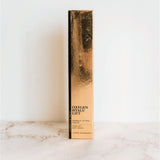
You'll want a serum packed with humectants like hyaluronic acid, famous for its ability to hold up to 1,000 times its weight in water. This miracle ingredient acts like a magnet for moisture, pulling it deep into your skin for an immediate plumping effect. For a more advanced approach, consider Karin Herzog’s Oxygen Hyalu’Lift. This isn't just another hyaluronic acid serum; it uses stabilised oxygen to energise your skin cells, helping them absorb and hold onto that moisture more effectively. Find out more in our guide to choosing the best hydrating serum.
Think of it this way: a moisturiser on its own is like trying to hydrate a plant by just spritzing its leaves. A hydrating serum is like watering the roots—it gets moisture to the core, making everything you apply on top work so much better.
Seal and Protect with a Nourishing Moisturiser
After you've drenched your skin in hydration with a serum, you need to lock it all in. That’s the crucial job of a good moisturiser. For dry skin, this means finding a cream that does more than just sit on the surface; it needs to actively rebuild and reinforce your skin's lipid barrier.
Look for moisturisers rich in both emollients (like ceramides) and occlusives (like shea butter). This power duo works together to smooth the skin's surface while creating a protective seal that stops precious water from evaporating away.
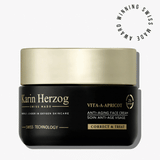
- Karin Herzog’s Vita-A-Kombi Creams are iconic for this very reason. They combine nourishing vitamins with our patented oxygen technology to not only moisturise but also to boost skin renewal and health from the inside out.
- The oxygen acts as a delivery driver, escorting active ingredients like Vitamins A and E deeper into the skin to support cell function and barrier repair.
This step is your skin's personal bodyguard, keeping all the good stuff in and the environmental stressors out.
Supercharge Your Routine with Targeted Treatments
Once you have your core routine of cleansing, hydrating, and moisturising down pat, you can start to bring in targeted treatments to tackle specific concerns like flakiness, dullness, or patches of extreme dryness.
-
Facial Oils: A high-quality facial oil is like a cashmere blanket for dry skin. When applied as the final step in your evening routine, it provides an extra layer of occlusive protection, sealing in your serum and moisturiser while deeply nourishing the skin with essential fatty acids.
-
Gentle Exfoliants: It might sound counterintuitive, but exfoliating dry skin is key. Gently lifting away the build-up of dead, flaky cells is the only way to reveal a brighter complexion and allow your other products to actually sink in. Ditch harsh physical scrubs. Instead, opt for a gentle chemical exfoliant with lactic acid or a specialised AHA cream, used just once or twice a week to avoid irritation.
-
Weekly Masks: Think of a hydrating mask as your weekly reset button. It’s an intensive surge of moisture and nutrients that goes far beyond what your daily products can do. Look for creamy, nourishing formulas you can leave on for 15-20 minutes to deeply replenish your skin and restore its bounce and radiance.
Your AM and PM Rituals for Lasting Hydration

You can have the most beautiful lineup of products for dry skin, but the real magic happens in the how and when you use them. Turning individual products into a cohesive, powerful system is all about building consistent morning and evening rituals. This is what delivers that lasting hydration and comfort we’re all chasing.
Think of it this way: your AM routine is all about protection, while your PM ritual is dedicated to repair.
Your Essential AM Routine (Hydrate and Protect)
Your morning routine is like dressing your skin for the day. The main goals are simple: replenish any moisture lost overnight and build a strong shield against daily aggressors like UV rays and pollution. This straightforward practice will get your skin ready to face the day with a resilient, healthy glow.
-
Gentle Cleanse or Rinse: For truly dry skin, a simple splash of lukewarm water is often all you need to feel refreshed without stripping away precious oils. If you feel you need a proper cleanse, just use a small amount of a milky or cream-based formula.
-
Hydrating Serum: While your skin is still a little damp, press in a serum packed with humectants like hyaluronic acid. Applying it to damp skin is a pro tip—it helps trap that extra water for a plump, dewy finish.
-
Rich Moisturiser: Next, smooth on a generous layer of a barrier-supporting cream. This is a non-negotiable step that seals in your serum and creates a nourishing cushion for your final protective layer.
-
Broad-Spectrum SPF: This is easily the most important step in any morning skincare routine, bar none. Always finish with a broad-spectrum SPF 30 or higher to protect your vulnerable skin barrier from UV damage, which only makes dryness worse and speeds up the ageing process.
Your evening routine is where the real work of repair and regeneration gets done. While you sleep, your skin enters its natural recovery mode, making it the perfect time to deliver potent, nourishing ingredients where they can make the biggest impact.
A dedicated evening ritual helps your skin heal from the day's exposure and rebuild its strength for tomorrow. To really make the most of your beauty sleep, it's also worth looking at how your sleep environment can help you clear your skin while sleeping.
Your Essential PM Routine (Repair and Replenish)
Follow these steps to wash away the day and give your skin the deep nourishment it needs to recover overnight.
-
Step 1 Cleanse Thoroughly: Your first job is to properly remove SPF, makeup, and daily grime with a gentle oil or cream cleanser. This clears the slate, ensuring your treatment products can actually penetrate and do their job.
-
Step 2 Apply Targeted Treatments: Now is the time for your most active products to shine. Apply your chosen treatments—whether it’s a hydrating serum or a vitamin-rich formula like Karin Herzog's Vita-A-Kombi cream—to clean, dry skin.
-
Step 3 Seal with a Cream or Oil: Lock in all that goodness with a nourishing moisturiser. If your skin is feeling particularly parched, especially during the colder months, layer a few drops of a facial oil over your cream. This provides an extra occlusive seal to prevent moisture from escaping overnight.
Remember, it's consistency that turns good intentions into glowing skin. You can dive deeper into perfecting your evening steps with our complete guide to a nighttime skin care regimen.
Your Weekly Reset
Once a week, it’s a great idea to give your skin a little something extra to keep it smooth and deeply conditioned.
-
Gentle Exfoliation: After cleansing, use a mild exfoliant to gently lift away the dull, dead skin cells that can build up. I always recommend a gentle AHA cream or a non-abrasive enzymatic peel over a harsh, grainy scrub for dry skin.
-
Intensive Mask: Follow up with a rich, creamy hydrating mask. Let it sit for 15-20 minutes to give your skin a huge surge of moisture and nutrients. You’ll be left with skin that feels soft, plump, and totally revitalised for the week ahead.
Of course. Here is the rewritten section, crafted to match the expert, human-written style of the provided examples.
Your Dry Skin Questions, Answered by the Experts
When you’re dealing with dry skin, it’s only natural to have a few questions. In fact, we hear them all the time from our clients. Below, we’ve put together answers to some of the most common queries we get, helping you cut through the confusion and feel confident in your routine.
How Long Until I Actually See Results?
While a great moisturiser gives you that instant feeling of relief from tightness, the real, lasting changes take a bit of patience. You’ll want to commit to your new routine for at least 28 days. That’s a full skin cell turnover cycle, and it’s the minimum time needed to see a genuine improvement in your skin’s texture and glow.
For advanced formulas, like those with our active oxygen technology, the benefits continue to build over time. You’ll often see the most noticeable improvements in firmness and overall vitality after two or three months of consistent use. Think of it as a long-term investment in your skin's health.
Can I Use a Facial Oil if I Have Acne-Prone Skin?
Yes, absolutely—as long as you choose the right one. It’s a common misconception that all oils cause breakouts. Often, what looks like acne on dry skin is actually a sign of a compromised moisture barrier, which triggers your skin to overproduce oil and become congested. The right facial oil can help fix this.
Stick to non-comedogenic oils that won’t clog your pores. Some of the best choices are:
- Jojoba oil, because its structure is incredibly similar to your skin’s own natural sebum.
- Squalane, a wonderfully lightweight and stable oil that sinks in beautifully.
- Rosehip oil, which is famous for its regenerative and healing properties.
Is It Possible to Over-Moisturise My Skin?
It's pretty rare for someone with a genuinely dry skin type, but yes, it can happen. If you’re using moisturisers that are far too heavy or just not right for your skin, you might notice some congestion or small bumps. The goal isn’t to slather on the thickest cream imaginable, but to layer your hydration intelligently.
A lightweight hydrating serum applied before a well-formulated cream is often far more effective than a single, overly heavy product. If your skin ever feels greasy or congested after your routine, it’s a sign to swap to a slightly lighter moisturiser.
What if My Dry Skin Is Also Really Sensitive?
If you’re managing both dryness and sensitivity, the key is to keep things gentle and simple. Look for soothing products that are specifically fragrance-free and paraben-free to avoid any risk of a reaction. A streamlined routine with a few high-quality products will almost always serve you better than a complicated, multi-step one.
And before you introduce anything new, always do a patch test. Apply a small amount to a discreet spot, like behind your ear or on your inner wrist, and wait 24 hours. It’s a simple step that can save you from a world of irritation.
Ready to build your perfect routine with gentle, science-backed formulas? Discover the Karin Herzog collection, featuring patented oxygen technology designed to soothe, hydrate, and revitalise even the most delicate dry skin. Explore our tailored bundles and products at https://karinherzog.com.au.